Thatfirst apartment checklist feels like stepping onto a new path. Independence shows up in the keys you hold, the walls you choose to hang things on. Yet real life piles in fast, heavier than expected. Empty rooms need more than couches or beds – stuff you don’t think about until it’s missing. Cleaning cloths, trash bags, a working smoke detector – they slip minds until the moment they matter. Little gaps turn into problems when no one warned you what comes next.
A well-planned first apartment checklist helps eliminate unnecessary stress. Instead of making expensive impulse purchases or realizing too late that you forgot basic necessities, you can prioritize your spending and move in with confidence. Confidence comes from knowing what matters most when doors unlock for the first time.
Most people who’ve rented before suggest getting just what you need right now, then bringing in extra things slowly afterward. That way spending stays under control yet everything works fine when moving in. Lately those apartment tips keep pointing out must-have stuff should come first instead of trying to fill each space all at once.
Readers Grasp the Topic
Your first apartment checklist isn’t just four walls and a bed – it probably marks the moment you start handling home life on your own terms. Choices made while packing, choosing a lease, or unpacking shape how much money stays in your pocket, how calm the space feels, whether things find their spot easily, and if daily routines run smoothly. From what fits through the front door to who handles repairs, each detail adds up without announcement.
Understanding how to prepare properly helps you:
Create a realistic moving budget
Purchase apartment essentials in the correct order
Avoid unnecessary expenses
Reduce moving-day stress
Build good financial habits from the beginning
Make your new apartment comfortable without accumulating clutter
Starting fresh often means overspending on pretty things instead of essentials. When you plan the transition wisely, comfort follows without the stress of stretched budgets.
First Apartment Basics What You Need
Starting slow beats buying every item right away when setting up an apartment. What matters most is seeing which things you need, what helps but isn’t vital, along with stuff that can wait till later.
Picture how you buy things, split into three parts
Phase One: Items required during the first 24 hours.
Phase Two: Items you’ll need during your first week.
Later on, think about adding comforts once money feels steady again after the move. Not now – maybe when bills aren’t so tight. Little luxuries fit in later, not up front. Wait until breathing room returns. Stuff like cushions, lights, extras… they keep.
Most guides suggest breaking things down step by step. That way, money stays under control. Still, basics aren’t skipped. Each stage lines up what matters most each day.
Your checklist should also consider:
Apartment size
Budget
Number of occupants
Existing furniture
Included appliances
Storage space
Lifestyle habits
A person making meals every day likely wants more tools in the kitchen compared to one grabbing food from outside most of the time. On the flip side, those working remotely might care less about extra seating and put effort into setting up a quiet workspace instead.
The Complete First Apartment Checklist
Before Moving Day
Long before boxes cross the threshold, work has already started.
Take a close look at your lease right away. Which appliances come with it? Get clear on who handles the utilities. Go through the apartment piece by piece before you mark anything down on the move-in list.
Create a moving folder containing:
Lease documents
Identification
Utility account information
Internet installation appointment
Emergency contacts
Moving receipts
Apartment inspection photos
A fresh set of photos when you arrive keeps things fair if disputes come up down the line. Seasoned tenants always say: walk through each space with your camera first.
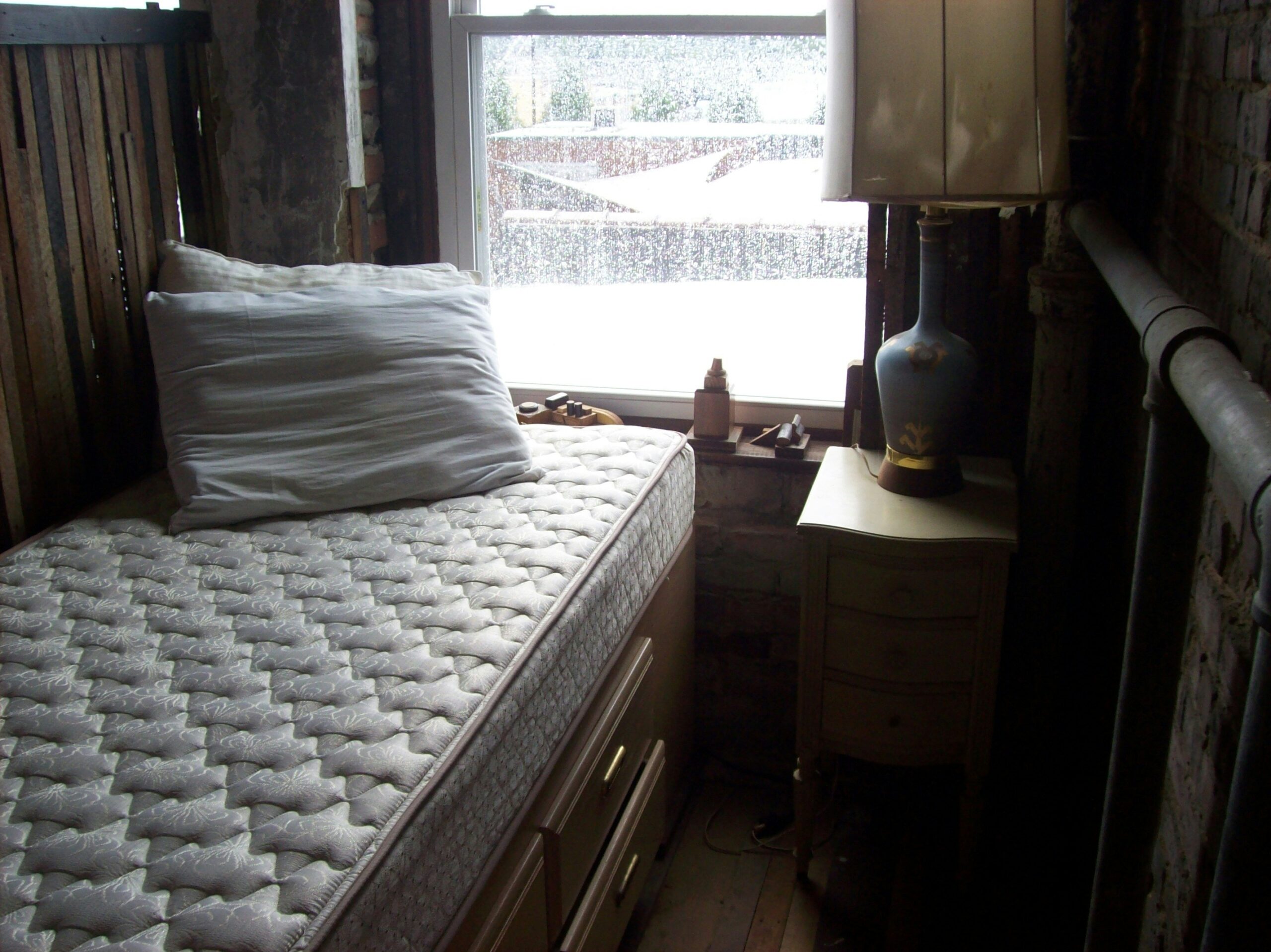
Bedroom Essentials
Start with the bedroom – how well you rest shapes every part of your day. When sleep improves, so does much more behind the scenes.
Start with:
Mattress
Bed frame (or temporary frame)
Pillows
Bedding
Extra sheet set
Blanket
Laundry basket
Hangers
Nightstand
Lamp
Out of nowhere, light placement hits harder than expected when you’re new to renting. Storage space? Same story – suddenly matters a lot once boxes are unpacked.
Kitchen Essentials
Spending big on a kitchen? Not always necessary. This space tends to cost more when setting up, yet that price tag isn’t set in stone.
Start with pieces that do more than one job instead of tools made for just a single task.
Essential kitchen supplies include:
One frying pan
One saucepan
Chef’s knife
Cutting board
Mixing bowl
Measuring cups
Spatula
Wooden spoon
Can opener
Plates
Bowls
Glasses
Mugs
Silverware
Food storage containers
Dish soap
Sponge
Trash bags
Spending less by preparing meals yourself adds up, so buying the right tools pays off eventually.
Bathroom Necessities
Most tiny things in bathrooms slip minds fast. Yet they vanish quick when not watched.
Your apartment essentials should include:
Shower curtain
Shower liner
Rings
Bath towels
Hand towels
Washcloths
Toilet paper
Hand soap
Plunger
Toilet brush
Bath mat
Personal toiletries
First aid kit
A clogged drain often shows up when least expected. That’s where a simple tool quietly earns its place under the sink. Most people overlook it while stocking household items. Yet it handles messes others can’t touch. Its job sounds basic until water starts rising. Then that quiet helper becomes essential.
Living Room Basics
A spotless lounge isn’t urgent right now.
Begin with:
Comfortable seating
Coffee table (optional)
Floor lamp
Power strips
Internet router
Television stand if necessary
Start slow with a painting here, then maybe a rug weeks later. A plant might appear by the window one morning. Shelves could follow, tucked into an empty corner. Each piece finds its place when it feels right.
Cleaning Supplies
Furniture sticks in minds more than cleaning supplies do. What stays visible tends to stay noticed, while what gets used fades fast. Objects you sit on outshine bottles under sinks every time.
Keep these ready before move-in: For an easier move-in experience, our apartment cleaning checklist covers the essential tasks to complete before unpacking your belongings.
Vacuum or broom
Mop
Bucket
Multi-purpose cleaner
Bathroom cleaner
Glass cleaner
Paper towels
Microfiber cloths
Laundry detergent
Trash bags
Rubber gloves
Right away, scrubbing every surface sets a cleaner stage – especially since looks can lie. A wipe down at the start wipes out hidden dust too. Though it seems fresh, germs might linger beneath. Starting fresh means fewer surprises later. Every swipe counts when settling into new walls.
Safety and Emergency Supplies
Only when something goes wrong does anyone seem to notice safety.
Important items include: Keeping a basic home emergency kit on hand ensures you’re prepared for common household emergencies and unexpected situations.
- Flashlight
- Batteries
- Fire extinguisher
- Smoke detector batteries
- Basic toolkit
- Extension cords
- Surge protectors
- Emergency contact list
Buying these things might feel dull at first glance; still, that quiet comfort they bring is hard to ignore.
Budgeting For Your First Apartment
Most people who rent a place for the first time blow their budget fast – often right at the start. A wild amount vanishes before they even settle in.
Start by sorting expenses into types, rather than grabbing every item at once. Creating a realistic moving budget helps you estimate costs accurately and avoid unexpected financial stress during your move.
Put money into these areas instead
- Furniture
- Kitchen supplies
- Bathroom necessities
- Cleaning equipment
- Utilities
- Security deposit
- Emergency savings
Bargain bins at yard sales often hide sturdy couches, tucked between junk. A cousin’s old table might wait in a garage, ready to serve again. Skip delivery fees by lifting something solid found near home. Pre-loved dressers, passed through neighbors, carry stories but cost little. Sturdy shelves come from flea markets where prices stay low. Used bookcases stand tall in online groups, listed by people clearing space.
Start with things you touch every day – a good bed, pots for cooking, a chair that holds your back. Later on come the pictures for walls, the rugs, those little objects without function but full of meaning. Forums hum with stories of thrift-store wins, garage-sale luck, people hauling home couches for five dollars. Bargain hunting isn’t rare – it’s routine among those who’ve done it before.
Real-World Case Study
Out of school now, Emma moved into a small place all on her own. A fresh start began when she signed the lease last month.
Almost giddy with ideas for her new place, she used close to fifty percent of the relocation funds on throw pillows, framed prints, greenery, also a low table – before even stepping through the door.
That first evening, it hit her. Something was missing. The memory slipped away until then. Nightfall brought it back. She stood there, knowing what stayed behind
- Shower curtain
- Can opener
- Trash bags
- Cleaning supplies
- Kitchen utensils
- Power strips
Few hours after sunrise, rushed store visits piled up expenses – far beyond what a bit of foresight would have demanded.
Later on, her roommate proposed sorting buys by splitting them into three groups
- Immediate necessities
- Weekly essentials
- Future upgrades
Little by little, Emma finished up her place without going over what she planned to spend. Two months slipped past as the work moved forward at its own pace.
Insights From The Case Study
Out in the world on her own, Emma stumbles into choices others have made before. First time signing a lease, she moves through steps that feel new but aren’t unique. Others walked this path, making the same missteps without knowing it.
Most of what matters shows up when comfort beats flashy design. A home works best once practical needs take the lead over stylish details. What stands out isn’t how it looks but whether it holds up every day. Pretty finishes fade – what lasts is space to live.
Practical purchases create a livable home.
Decorations create a beautiful home.
A shift happens when you look closer at them. One stands apart because it carries more weight than the other.
Putting needs first when shopping eases mental strain while cutting unplanned buys. What matters most guides each choice without overload.
common challenges and practical solutions
Overspending Early
Solution:
Start by deciding exactly how much you can spend on an apartment – keep that number firm. When picking what to buy first, let your needs lead instead of impulse. One thing at a time, choose only what truly fits both space and plan. Money saved early stays available later when it matters more.
Buying Everything at Once
Solution:
Buy pieces at different times over weeks or even months apart.
Forgetting Small Necessities
Solution:
Use a room-by-room moving checklist before shopping.
Limited Storage
Solution:
Purchase multifunctional furniture with built-in storage.
Small Apartment Layout
Solution:
Furniture built small fits better in apartment spaces than bulky items do.
Unexpected Expenses
Solution:
When you move, set aside money just in case something comes up – like needing new cleaning tools or a broken toaster. Unexpected costs pop up after settling into a new place, so having cash ready helps. A separate stash covers little things that weren’t planned. Think of it as backup for when daily life throws a curveball right after the boxes are unpacked.
Expert Recommendations
Most experts guiding people through renting or relocating tend to follow similar approaches.
Begin with functionality rather than appearance.
Start by sizing up each space ahead of buying any pieces – skipping this step often leads to expensive mistakes down the line.
Start making meals at home sooner rather than later because having a working kitchen often covers grocery costs fast.
Start with things you touch every day when buying stuff, yet spend less on pretty objects since swapping those out is simple down the road.
One month into living there, take a close look at your apartment before buying more furniture. It turns out most people find they’re using fewer pieces than they thought they would.
Start slow – perfection isn’t due on move-in day. Sometimes rooms shaped over weeks work better than those filled in one go, simply because they adapt as you do.

Frequently Asked Questions
What should I buy first for my first apartment?
Start with sleep – get a mattress plus sheets before anything else. Next, think about how you’ll eat: pots, plates, utensils matter early on. Bath time needs come right after that – toothbrush, soap, towel within reach. Cleaning stuff like brooms or wipes? Grab those sooner than cushions or frames. What fills shelves later can wait till basics breathe easy in place.
Figure out costs for must-have items in your new place.
Spending depends on where you live and how you live. Some folks pay just hundreds, others edge toward thousands their first time setting up a place – deposit, basics, seating, all added in. Getting things piece by piece cuts what you need at once.
Is it better to buy furniture before moving?
Start with just what you truly need. Once you’ve spent some time there, it will become clear which pieces actually fit your routine. A little patience shapes smarter choices later.
Buying all new isn’t always necessary?
Maybe not. Buying used pieces from resale shops or getting items passed down through relatives often cuts costs without sacrificing durability.
What is the most commonly forgotten apartment essential?
Most people overlook shower curtains when packing. Power strips often get left behind too. Trash bags? Rarely remembered. Toilet plungers sit unused in storage. Can openers disappear from checklists easily. Extension cords tend to slip minds. Cleaning supplies show up late on shopping trips. Basic tools are commonly missed until needed.
Conclusion
Starting fresh in your first place brings energy, yet getting ready matters way more than how it looks. Thoughtful planning shapes what comes next – focusing on must-haves, handling money with care, steering clear of errors others often make when signing a lease for the first time.
A carefully planned first apartment checklist helps you prioritize necessities, manage your budget wisely, and avoid the common mistakes many first-time renters experience. Choose sturdy pieces when they’ll get heavy use. Let the place shift slowly, matching changes in your routine or wallet. Good choices early make arriving home feel okay, even on day one.