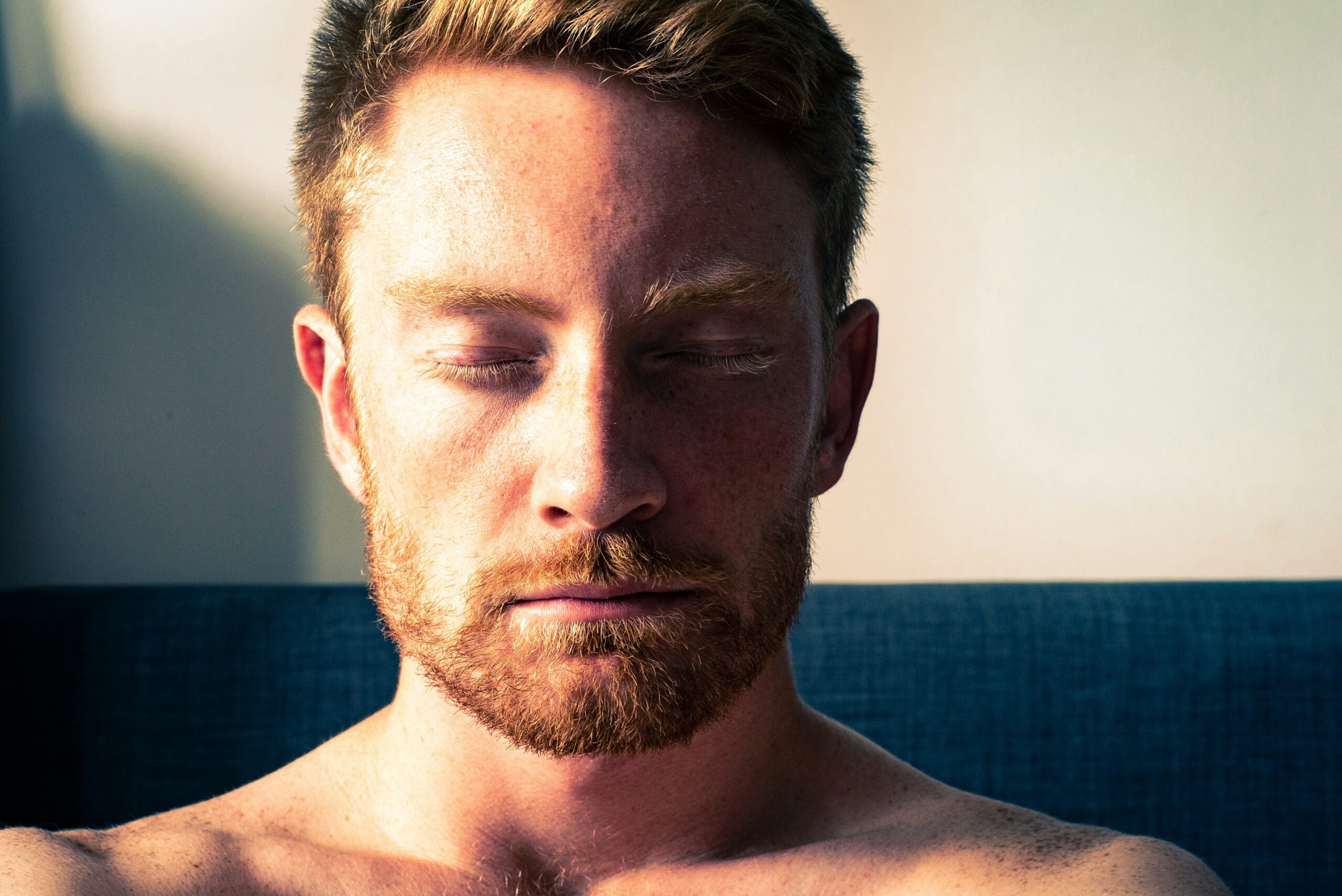
“Ginger person” refers to an individual who either inherently possesses red or reddish-orange hair, or exhibits uncommon genetic mutations associated with ginger people. It is common for people to ask what defines a ginger person, whether it is genetic, what do ginger people look like typically, and the like.
This article aims to answer these questions on defining a ginger person, explain the scientific basis of naturally occurring ginger-red hair color, demystify the popular misconceptions around ginger people, and highlight the positive aspects of this unique genetic trait.
Why This Topic is Important
Naturally occurring ginger hair color is one of the rarest ones in the world. While popular culture increasingly acknowledges this fact, there are still many popular misconceptions about the appearance and the character of a ginger person. Gaining knowledge about what a ginger person is can help overcome some of the preconceived ideas and biases that society may have about people with naturally occurring ginger hair color.
In addition, the topic of naturally occurring ginger hair color is important because skin care practices often vary, and some may be inadequate, for many ginger people. Moreover, understanding what a ginger person is can provide greater insight into the uniqueness of natural human variation.
Understanding of What a Ginger Person Is
In short, a ginger person is someone who naturally has ginger hair color. In other words, a ginger person has red or reddish-orange pigmentation of hair strands, ranging from bright copper to light reddish-brown colors. The term ginger, in this context, is used only to describe natural hair color, and does not refer to ethnicity, nationality, or any other aspect of a person’s appearance.
It is a common misconception that all people with naturally occurring ginger hair color have similar appearance. In reality, people with ginger hair color vary greatly, just like any other ethnic group. While some may have typical fair skin tone and often have freckles, others may have much darker skin color, or different eye colors.
Ginger hair color is rather rare globally, but can be found almost anywhere on the planet, in people of various ethnicities and family backgrounds. In other words, one does not need to be of a particular race or nationality to be born with naturally occurring ginger hair color.
Science Behind Naturally Occurring Ginger Hair Color
A ginger person is so because of the genetic makeup inherited from their parents. Scientists have discovered there is a genetic mutation that can be responsible for naturally occurring ginger hair color in some people. Specifically, there is a specific gene that can affect the amount of melanin synthesized by the body.
Melanin is a pigment that gives color to hair, skin, and eyes. There are two types of melanin: eumelanin, which is a dark pigment, and pheomelanin, which is a light pigment. The amount of melanin synthesized by the body is directly controlled by the MC1R gene.
People who have a ginger hair color often have a mutation of this gene, resulting in increased levels of pheomelanin.
Genes responsible for hair color are often recessive, meaning that a person can inherit them from their parents without exhibiting their effects. This explains why some people with ginger hair color may have parents or grandparents who do not have visibly ginger hair color.
In short, naturally occurring ginger hair color can appear in a person even if none of their close relatives exhibit this genetic trait.
Is every ginger person the same?
No. There are many variations of naturally occurring ginger hair color and other traits that can be found in ginger people. First of all, hair color varies from coppery red to light auburn, often with more prominent red pigmentation under the influence of sunlight. Second, eye colors also vary, although blue and green eyes are more common in ginger people for genetic reasons.
Third, although freckles often appear in ginger people because of their light skin tone, not every ginger person has them.
In other words, there is not a single standard appearance that is typical for all ginger people.
Common Traits Among Ginger People
Despite wide variations of physical traits and appearance among ginger people, there are certain characteristics that can be considered common for some ginger people. First of all, ginger people often have light skin tone, meaning that their skin cannot effectively protect itself from UV radiation, and tends to sunburn easily. This is because of the high amount of pheomelanin, which does not protect the skin from UV light.
Second, the texture of hair strands varies among ginger people, ranging from straight to strongly curly. Moreover, hair can also vary in terms of thickness, but this trait is less common for ginger people. Another common trait is that the eyebrows and eyelashes of ginger people tend to be of a lighter color than in non-ginger people, although it is not a universal trait.
Other Common Traits in Ginger People
Since naturally occurring ginger hair color is uncommon, there are many myths, stereotypes, and superstitions related to ginger people. Separating myths from reality can help debunk some of the most persistent myths about ginger people, and promote greater tolerance and reduce stigma around the subject.
Some of the most common myths about ginger people include the belief that all ginger people are moody, violent, or have a short temper. In reality, the character of a person is usually influenced more by their environment and upbringing, than their hair color. Another myth regarding ginger people is that they stop being ginger with age. In reality, while their hair color may change, it typically does not lose its ginger properties entirely. Finally, another myth about ginger people is that they all have freckles. While it is relatively common for ginger people to have them, genetics and the environment dictate whether a person will have freckles or not, and thus, not all ginger people have them.
Everyday Life of a Ginger Person
Naturally occurring ginger hair color often makes a ginger person stand out in a crowd, depending on the location and the ethnicity of a person. This means they are likely to encounter both appreciation and unwarranted criticism. Positive feedback about their looks may be accompanied by stereotypes, misconceptions, or negative comments from those who make quick judgments. . Often, the parents of a ginger child will note that a child with red hair looks significantly different than the rest of the family.
For example, two siblings that are born in the same family can have completely different hair colors, if one of them has inherited the genes for naturally occurring ginger hair color from their parents.
This genetic peculiarity can also be the subject of superstitions and myths, such as believing that having naturally occurring ginger hair color is dangerous or causes bad luck. However, this is not true, as people with naturally occurring ginger hair color have lived long and fulfilling lives just like any other people.
The Experts Say
Geneticists note that naturally occurring ginger hair color is only one of the many genetic variations that exist in the human population. While it is uncommon, it is still normal for people to have naturally occurring ginger hair color. The study of genetic makeup and its effects on the human body can help scientists better understand human biology and the mechanisms of evolution.
In addition, dermatologists note that people with naturally occurring ginger hair color often have unhealthy and sensitive skin, which requires extra protection from UV radiation.
Sunscreen lotions, protective clothes, and limited exposure to sunlight are essential for those who have light skin tone, which ginger people often have.
Finally, the experts note that it is important not to hold any prejudices against ginger people, or any other minority group. In reality, the environment and upbringing affect the character and intellect of a person much stronger than their hair color. In other words, every ginger person is unique, just like any other person.
Remaining Main Guide
Skin Care Tips for a Ginger Person
One of the most prominent traits that ginger people tend to have is having light skin. In this case, lightness often means that a person’s skin has less melanin to protect them from UV rays. This does not mean that all ginger people will inevitably have sensitive skin, but being aware of proper skincare is necessary in order to prevent sunburn.
In this case, using an appropriate sunscreen, wearing clothes that protect the skin from UV radiation, and avoiding being in the sun on a cloudy day are all measures that will keep a ginger person healthy. All of the mentioned steps above are also recommended for people who have light skin but do not have ginger hair.
Another vital point in terms of skincare for a ginger person is staying hydrated. Moisturizing the skin on a regular basis significantly improves its ability to resist the elements. Following proper sun protection recommendations can further reduce the risk of UV damage and help maintain healthy skin.
Hair Care Advice for Natural Ginger
Natural ginger hair color is undoubtedly striking, but it needs the same amount of care as any other hair type. Washing it with an appropriate shampoo, avoiding heating tools, and trimming damaged ends are all standard procedures that help keep it healthy. Since natural ginger tends to lose its color with age and with excessive exposure to sunlight, using special UV protection treatments is a must for those who value their color.
However, attempting to artificially darken it is a mistake that most stylists would advise against. Instead, the focus should be on maintaining the current state of the hair instead.
How Does Red Hair Change With Age?
Contrary to popular belief, a ginger person will most likely not keep the same hair color for their entire life. Even as a child, a ginger person may have auburn or copper hair that starts to darken with age. Some may outgrow their ginger hair color and turn a deeper shade of brown or blonde as they get older. Eventually, most of them will turn gray or white.
The same happens to other natural hair colors. As such, there is nothing strange or uncommon about natural hair color changing with age and being eventually replaced by gray hair.
Cultural Attitude Toward Ginger People
In some past cultures, having natural ginger hair was considered to be an anomaly. In modern times, the natural variation in hair color is well-explained genetically. As such, most societies do not attribute any special meaning to having ginger hair. Some of them may have historical stereotypes about ginger people, but none today are actually racist or consider ginger people to be abnormal in any way.
In fact, most cultures have long since outgrown the superstitions and racism from their past involving ginger people. Today, there is no reason to believe that a person with natural ginger hair has any traits that are different from an average person.
Possible Misconceptions
When it comes to misunderstandings, there are several possible questions that are commonly asked by non-ginger people. If a ginger person starts to suffer from severe sunburn, the most common advice they receive is to adjust their attitude toward the sun. Using sunscreen on a daily basis rather than only when tanning is one of the easiest ways to prevent excessive burns.
Some people claim that their natural ginger hair becomes dull and lifeless during the winter season. In this case, excessive exposure to cold weather and using heating appliances damage the hair, making it difficult to manage. Using special treatments or conditioners to keep it moisturized and avoiding heating tools can remedy the issue.
Parents whose children have ginger hair sometimes ask if their child will eventually outgrow it. In most cases, it is impossible to predict whether and when a ginger person will stop having red hair because their melanocytes stop producing pheomelanin at some point. Some people lose their ginger hair color by the end of their adolescence, while others continue to have it into their late years.
Genes and Inheritance
One of the most widespread questions regarding the genetics of ginger people is related to how their hair color is inherited. In particular, many people are puzzled by the fact that they or their partner have ginger hair while both of their parents do not. The explanation behind this is that red hair is caused by a recessive gene variant. Understanding how inherited traits work can make it easier to see why certain characteristics appear unexpectedly across generations.
A ginger person will only have red hair if both of their parents have at least one recessive gene.
The Biggest Myths About Red Hair
One of the biggest myths related to having a ginger is that all of them inherently look the same. In truth, a ginger person can have any hair texture, eye color, skin tone, or number of freckles. Another myth is that a person’s character or temperament is somehow related to them having natural ginger hair. The scientific literature on the subject does not recognize any connection between the two. In reality, most aspects of personality are determined by a combination of biology and external factors.
Some people incorrectly believe that a ginger person will inevitably have sensitive skin that burns at the first sign of sunlight. In truth, a person’s sensitivity to UV light depends on how much melanin their skin produces regardless of their hair color.
Another common myth is that natural ginger hair always disappears with age during early adulthood. In reality, most natural ginger people continue to have red hair for the majority of their lives. Finally, one of the most persistent myths about natural ginger is that it only occurs among people from a particular part of the world. In truth, the genetic expression of natural ginger occurs among people of various ethnicities.
Professional Recommendations
Geneticists recommend that a ginger person keeps track of their personal health in order to prevent potential complications from having red hair. In this case, proper skin care is an essential step that should be performed on a daily basis. A dermatologist can recommend what measures are necessary to prevent the skin from aging prematurely. A proper diet and a healthy lifestyle are also beneficial supplements to this step. If you’re exploring other natural hair characteristics, our guide on ginger hair genetics explains why red hair is inherited and how it can change over time.
For natural ginger hair, the most critical advice from professionals is to keep it moisturized on a regular basis. As such, using conditioners and other hair treatments is an important aspect of caring for natural ginger hair.
Since the appearance of natural ginger hair is uncommon, most people who have it tend to take excellent care of it. A professional stylist should not recommend expensive treatments that severely damage the hair in order to change its current color. Instead, it is advised to maintain the current condition rather than trying to artificially alter it.
If a person leads a lifestyle that exposes them to strong sunlight, such as hiking or playing outdoor sports, then they should keep a tube of sunscreen with them at all times.
It is also a good idea to buy a hat that protects the scalp from UV radiation and to wear it on sunny days. Understanding the basics of genetics is also an important step for a ginger person because it helps them distinguish facts from fiction. Putting all of the mentioned pieces of advice together, a ginger person should remember that they should treat their appearance with the same amount of care as anyone else.
Key Points
While most people who have natural ginger hair have the same genetic makeup, the way they look can vary considerably. A ginger person can have any texture, color, and length of their hair and any skin tone, eye color, or number of moles. From a scientific standpoint, there is nothing exceptional or unique about having natural ginger hair.
The most critical point in terms of caring for a ginger person is to keep their skin protected from the sun. Using an appropriate sunscreen on a regular basis will keep their skin healthy no matter their age and skin tone. In terms of their hair, a ginger person should use special UV protection treatments if they want to maintain their ginger hair color and avoid damage. On the other hand, trying to artificially darken their hair or change their hair texture is not advisable in terms of health.
If a ginger person likes to spend time outdoors, then they should invest in a good sunscreen cream and a hat that protects their scalp from UV radiation.
Finally, understanding the principles of genetics is an important step in terms of separating fact from fiction. In reality, a ginger person is not a rarity in terms of human genetics. The combination of genes that gives a person a natural ginger hair is only one of the many possibilities. To summarize, there is nothing exceptional about a ginger person’s appearance or genetic makeup.
Ginger Person Table
Ginger Person Other Natural Hair Colors
Hair pigment Higher levels of pheomelanin Various levels of pheomelanin and eumelanin
Hair color Red, copper, auburn, and strawberry blonde Blonde, brown, black, and other natural colors
Skin tone Often light Varies greatly from person to person
Freckles Common but not universal May or may not be present
Sun sensitivity Tends to be higher for fair-skinned people Dependent mostly on skin tone
Genes Often caused by a recessive gene variant Genes vary for each hair color
Practical Example: Case Study of a Ginger Person Essay
Picture a couple with brown hair that never considered themselves to be ginger. When their second child is born, the newborn has copper-colored strands instead of the family’s typical brown ones. The relatives are baffled and start asking the couple about the source of their new addition’s ginger appearance.
Right after a call with the doctor, the parents explain that both of them carry a mutation of the MC1R gene that allows them to pass on the ginger pigmentation to their children – even if none of them actually have it themselves.
As the years go by, the ginger kid starts to develop more traits commonly seen in people with red hair: the ability to tan is significantly reduced, they burn faster in the sun than their dark-haired cousins, and despite having fair skin, they refuse to spend their weekends indoors. The last one, in particular, becomes a real discovery for the whole family, who starts to adjust their routines in accordance with the new knowledge: putting on sunscreen lotions before going out, using wide-brimmed hats as fashion accessories on a sunny day and remembering to drink plenty of water instead of their regular soda.
When the teenager reaches the college age, the family realizes that their copper hair has gradually been changing in color since childhood – an indication of their ginger genes slowly manifesting themselves on a regular basis.
The situation demonstrated the family’s initial lack of genetic knowledge but also their ability to positively incorporate the new information into their daily lives as a means of adjusting to the peculiarities of their child’s appearance.
Two More Expert Voices
Scientists studying human pigmentation have a particular interest in the genetics of ginger people as the manifestation of their unique phenotype is highly indicative of their genetic makeup. Researchers note that the reason behind the appearance of naturally occurring red hair is largely due to the MC1R gene, although the process is complicated by the fact that more than one gene is responsible for human hair color.
At the same time, dermatologists warn that when it comes to the skincare routine for people with fair complexion, it is important to pay more attention to their skin rather than their hair. Although it is common for ginger people to have pale skin that is relatively fragile in terms of being prone to burning, a closer examination of each individual case is necessary as their complexions can vary depending on their genetic heritage.
Genetic consultants suggest that the lack of a clearly apparent pattern in regard to the appearance of naturally red hair is due to the fact that traits related to ginger genes can appear unexpectedly in one child but not the others, skipping multiple generations of a family.
Therefore, in regards to the initial question of whether aging people can be considered ginger, all three experts agree that the term applies to those with naturally occurring red or copper hair, regardless of the intensity of its manifestation.
In addition, the three professionals involved in the discussion also share similar thoughts on the appearance of other traits related to ginger genes: although fair complexion and freckles often appear together with naturally red hair, they are not compulsory.
Furthermore, dermatologists explain that this particular gene combination can make people with naturally red hair more likely to have sensitive skin that cannot tolerate high UV exposure, which means that they would require additional protection from the harmful effects of ultraviolet radiation.
Finally, while the red-haired gene is relatively rare, it is definitely not limited to the population of one particular country or region, as it can be found worldwide.
Frequently Asked Questions Is a ginger person the same as a person with naturally red hair?
Yes, a ginger person is someone whose naturally occurring hair color may range from straw-like yellow to dark brown shades of copper.
Can two non-ginger parents have a ginger child?
It is possible for parents without red hair to have a naturally ginger-haired child when both inherit and pass on the same red-hair gene variant.
Do ginger people always have freckles?
No, although people with naturally red hair tend to have fair complexion, the appearance of freckles is subjective to each individual’s genetic makeup.
Why are ginger people more likely to burn in the sun than others?
Naturally ginger people usually have fair or pale skin due to their inability to effectively produce melanin, meaning that their skins are more sensitive to UV light. Thus, they may have a higher chance of burning if they do not sufficiently protect themselves from the harmful effects of the sun.
Does red hair change with age?
The naturally occurring red hair color rarely stays the same throughout one’s life: the strands gradually become darker, less bright and more auburn with time, turning completely gray in old age.
Is red hair a common gene in one country or ethnic group?
Naturally red hair color can manifest itself in people of virtually any nationality, although it is indeed more common in some populations than in others
Conclusion
A ginger person is one of the most peculiar examples of how human genetics presents one of the most fascinating mysteries to contemporary scientists. Despite the fact that naturally occurring red hair is quite rare, it is not any more strange than any other genetically transmitted trait which simply appears due to the specific combination of genes each person carries.
Understanding the genetic makeup of naturally ginger people not only explains the mystery behind their distinct appearance traits but also helps them lead a healthier life due to the specific care regimen that is recommended for fair skin with a high percentage of melanin insufficiency.
Most importantly, however, is the fact that no two ginger people are entirely the same: from brown eyes to fair complexion, from height to weight and from the distribution of freckles to hair structure, each person is unique in terms of the manifestation of their ginger appearance.
With the constant progress made in the field of genetics, the study of naturally occurring red hair color remains one of the most intriguing subjects for scientific observation.