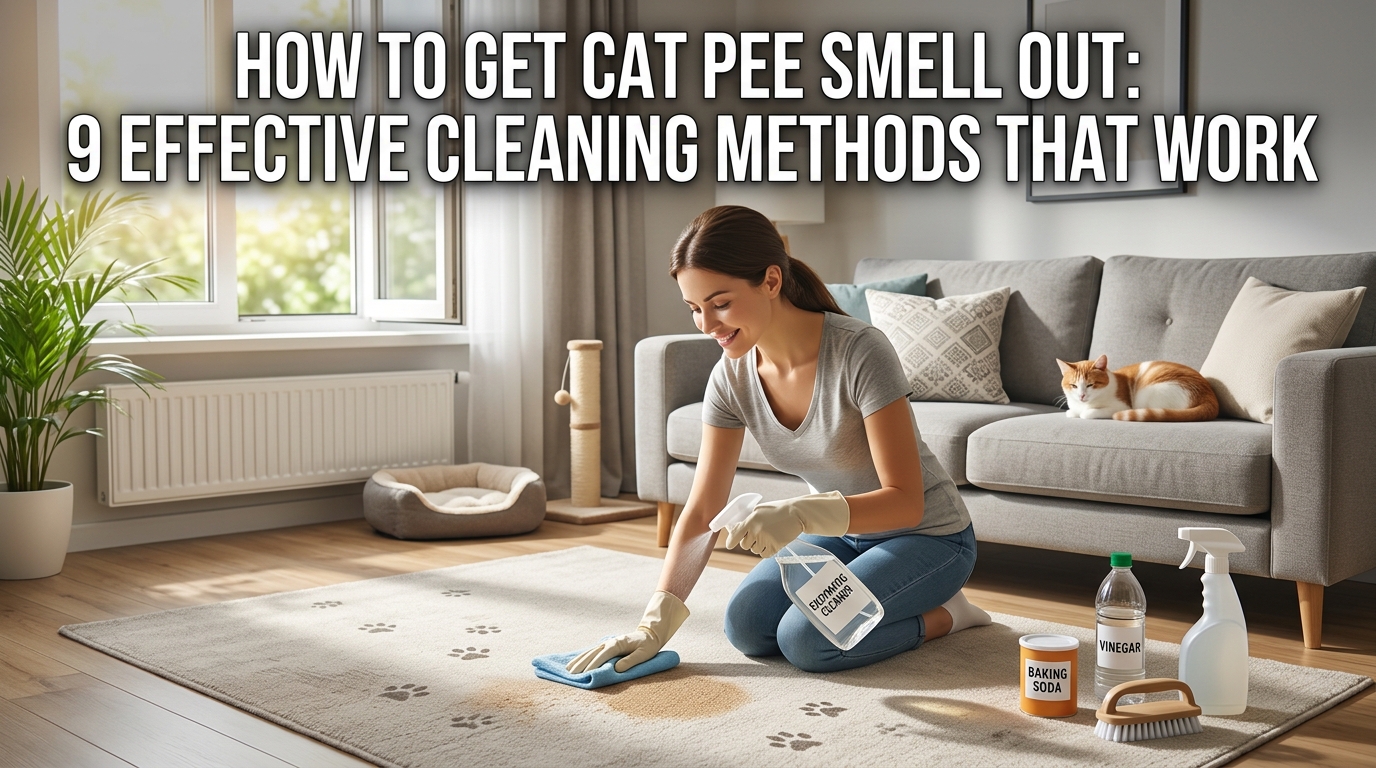
Learning how to get cat pee smell out is easier when you understand why the odor lingers in the first place. However, urine doesn’t just sit there. Some can soak through carpets, bedding, furniture and floor pads after a while, to re-emerge in the air over days as a pungent, chemical smell resembling ammonia, as moisture rises. You need to get beyond air fresheners.
The best course of action is to find where the problem area is, get as much urine out as you can, treat the material concerned, and allow it to dry.
In this guide we’ll describe how to eliminate young and old cat-urine odour, which household cleaners work, what techniques make the issue worse and when to use professional cleaning services.
Why Cat Urine Smell Can Be So Difficult to Remove
Water Urine includes substances that residue after it is dried out. On a flat and non-porous surface that has been cleaned it generally isn’t overly troublesome, on the grounds that the fluids stay at the area. When you look to have cat crap eliminated from the carpet or furniture, then it shows a lot of difficulties.
Fluids are capable of moving right through the material and onto the under rug, the sub floor, and even furnishings cushioning from below.
A surface could visually appear thoroughly clean but the source of the odor yet stays a little below the surface. Which clarifies the aggravation of Cleaning the stain of cat crap just to have the odor eventually come back on you and your property. The atmosphere temperature and moisture have also can help figure out whether you recognize smell is perceptible. An areas where it’s been polluted and you didn’t treat may well have a scent be stronger when the room is hot or damp due to the fact these conditions release these kinds of aroma chemicals which are far simpler to identify.
Therefore, efficient elimination smell hinges on treating the substance and not only how the odor is presented.
First Find the Actual Source of the Odor
Before choosing a cleaning method, identify where the urine is located. This is particularly important when the odor seems to come from an entire room.
Look carefully around:
- Carpet edges and corners
- Areas near litter boxes
- Furniture legs and upholstery
- Rugs and carpet padding
- Baseboards
- Pet beds
- Clothing or blankets
- Hardwood or laminate flooring seams
Older urine contamination may be difficult to detect, but in some cases an obvious stain may not be visible and a UV light may show areas where urine contamination has settled (ultraviolet light will often glow when shone on urine contamination). A fluorescent reaction is not a conclusive indicator as many other household items will also fluoresce under UV light, so any areas you suspect you should be considered a lead and not concrete evidence.
After identifying the area of apparent urine contamination you must also identify the type of material you have. Each of these require slightly different cleaning procedures when it comes to carpet, washable fabric, sealed wood, raw wood, and upholstery.
How to Get Cat Pee Smell Out of Carpet
Carpet is one of the most difficult surfaces because urine can travel beneath the visible fibers. The goal is to remove the residue as deeply as reasonably possible without damaging the carpet.
1. Blot fresh urine immediately
If the urine is still wet, start by using effective pet urine cleanup methods to absorb as much liquid as possible.
Place clean paper towels or absorbent cloths over the area and press firmly. Continue replacing the towels as they become saturated.
Avoid vigorous scrubbing. Rubbing can spread the urine across a larger area and work it deeper into carpet fibers.
For a larger accident, you may need several rounds of blotting before the area is only slightly damp.
2. Use an enzymatic cleaner for persistent odor
If the problem is cat urine, an enzyme based pet stain remover/odor eliminator is a great option because this products is specifically formulated for natural pet messes.
Read the directions on the product and pay attention to: the amount of product used to soak the stain and leave the product on to treat the fibers. You want the cleaner to get into the contaminated fibers and not just sit on the surface of them. Otherwise, you can also cause problems with oversoaking carpet, where moisture left on carpet over time could damage some fibers and/or encourage other types of microbes to grow.
It’s a smart idea to always test any cleaning product on a small patch of carpet in an obscure place, especially if the type of fiber or dye fastness isn’t known for your particular carpet.
3. Give the area enough time to dry
Drying is an essential part of the cleaning process, not an afterthought.
Improve air circulation by opening windows when appropriate, running fans, or using a dehumidifier. Keep pets away from the treated area until it is completely dry and safe according to the product instructions.
If the smell remains after the carpet has thoroughly dried, the contamination may extend into the carpet backing or padding.
How to Remove Cat Pee Smell From Upholstery
A couch or chair can hold urine in its cushions, fabric, and internal materials. Surface cleaning alone may therefore provide only temporary improvement.
First, consult the manufacturer care tag. There should be an upholstery code describing how it can be cleaned – e.g. Whether it is water-safe, water-prohibited and can use only cleaning solvents, or can only be professionally cleaned.
For any washable or water-compatible fabric, blot the fresh urine from the fabric, then apply and use a suitable pet urine odor removal product according to the product instructions.
Don’t over-soak furniture, as the deeper the moisture goes and the longer it is there, the harder the furniture will be to dry and air out. If urine has saturated into the cushion’s foam or inserts, replacement and professional treatment may be less trouble in the long run than multiple repetitions with upholstery cleaners.
Cleaning Cat Urine From Hard Floors
Hard flooring is generally easier to clean than carpet, but the material still matters.
Sealed tile and other nonporous surfaces
Ceramic/Porcelain Tile: Other truly non-porous surfaces can be better disinfected, as urine won’t absorb into the body of the material. Wash the surface using an appropriate household cleaner, following the manufacturer’s recommendation for your flooring. Take care when cleaning the grout lines. Grout is porous and may retain more of the residue.
Hardwood floors
Wood is trickier: If urine has the chance to get into unfinished wood or in between floorboards, odor can linger even when the visible area has been cleaned up. Never drown your wood floor in water and solution. Water saturation can damage the finishing on your wood floors and cause them to puff up or warp.
For lingering odor in wood floors, the “contamination” might be in the floorboards themselves (and not just the surface finish).
At that point, calling in the professionals might be your best option.
Laminate and vinyl
The surface of many laminate and vinyl floors is relatively resistant to liquid, but seams and damaged areas can allow moisture underneath. Clean according to the flooring manufacturer’s recommendations and avoid excessive water.
What About Baking Soda and Vinegar?
Although baking soda and vinegar are household favorites for cleaners, they are not a magic bullet for all cat odor problems. Baking soda works by absorbing or neutralizing some odors on and around dry surfaces, but doesn’t actually eliminate urine residue that have soaked through carpet backing or upholstery. Acidic vinegar, for one thing, interacts with the changing chemistry of aged or dried urine, and even though diluted vinegar is popular for general household use, it’s not a dependable product for stubborn urine.
(Even more vitally important, never casually mix different cleaning products; some combinations produce dangerous or irritating vapors.
Use them individually, and follow product instructions.)
Why Air Fresheners Usually Don’t Solve the Problem
While an air freshener can temporarily improve the scent of a room, there is a difference between covering up an odor and eliminating the contamination. For the most effective and long-term results, odor neutralization is typically implemented following a cleaning process. It is similar to spraying perfume on a dirty floor to mask the dirt.
The source of the contamination has not been addressed.
If an odor has seeped into your carpeting pads, like cat urine, spraying air freshener does absolutely nothing to remove the material under the floor. After the air freshener starts to fade, that familiar smell can arise.
Why the Smell Keeps Coming Back
A persistent odor is no sign that the cleaner has been a “failure.” It simply suggests that not all of the contaminated area was located and treated successfully. You may have only removed some of the evidence, but evidence is still present within the area where the urine was applied.
For instance, the cat may urinate somewhere nearby where you didn’t suspect the urine went – under the furniture, on a padded rug under the carpet, up along the base of a wall – a place where it is not evident.
There is also a chance that the urine has penetrated down into the padding under your carpet. In some cases, even though the carpet itself has been scrubbed, you may still require an odor eliminator to remove all the traces from the padding. Lastly, consider a behavioral factor. If a cat becomes in the habit of urinating in a specific spot, persistent and untreated urine odors in that spot can reinforce its use as a suitable bathroom!
Common Mistakes to Avoid
Scrubbing the stain aggressively
Hard scrubbing can spread contamination and damage carpet fibers. Blotting is generally a better first response to fresh urine.
Using too much water
More water does not automatically mean better cleaning.Excess moisture can push contamination deeper and make drying difficult.
Applying fragrance before cleaning
Perfume or deodorizer may temporarily disguise the smell without addressing the underlying residue.
Ignoring carpet padding
If urine has soaked through the carpet, the pad may be part of the odor source. Cleaning only the surface may leave the problem unresolved.
Using multiple cleaners together
Never assume that two household cleaning products are safe to combine. Chemical reactions can produce harmful vapors.
Using heat without checking the material
High heat can damage some fabrics and may make certain stains more difficult to remove. Follow the care instructions for the specific material.
How to Handle an Old Cat Urine Smell
Old urine is slightly different and in order to remove the stain, though no longer visible, the stain dried to carpet/padding/other can still cause odors. Focus on the affected areas, and don’t clean whole areas all at once. Decide if the odor is coming from carpet/padding, upholstery, flooring, etc.
Use enzyme cleaner specifically made for pets where needed.
Follow the product instructions and allow the recommended dwell time and drying time.If the smell persists even after several applications, figure out where source really lies. A professional carpet/upholstery cleaning may need to check for contamination further down in the carpet fiber, and might be equipped with equipment to extract from carpet down further. If there’s contamination of carpet beyond the padding or that section of floor itself may have to be dealt with: what you do further depends on how far into the carpeting/padding the urine has traveled..
When Professional Cleaning Makes More Sense
DIY cleaning is reasonable for many small, recent accidents. Professional help becomes more attractive when the odor is widespread, repeatedly returns, or appears to originate beneath the surface.
Professional cleaning may be particularly useful when:
- A large area of carpet is contaminated.
- Urine has soaked into carpet padding.
- Multiple cleaning attempts have failed.
- Upholstery has been heavily saturated.
- The affected material is expensive or delicate.
- You cannot determine where the odor originates.
A professional can also help distinguish between a surface-level stain and contamination that has penetrated deeper layers.
Preventing Future Cat Urine Odors
While odor removal may tackle the immediate tidiness challenge, prevention requires you to know why the problem occurred. Factors such as medical, environmental or behavioral reasons can lead to a quick switch in your cat’s litter box habits. If your feline friend’s new habit seems recent or ongoing, the best bet is to visit your vet and determine if there might be a medical reason for not using the litter box appropriately.
Consider a clean litter box placed where the cat can comfortably visit, or explore simple ways to create a more comfortable home for cats, especially if environmental changes like household changes, rivalry between pets, or routine alterations could have led to house soiling.
But before all that, take care to perfectly clear up where the accidents took place. Lingering scents might contribute to repeat incidents.
The Most Important Principle for Lasting Odor Removal
The key to learning how to get cat pee smell out is understanding that odor removal is primarily a source-removal problem.
Clean up the fresh urine immediately. Handle contaminated substances correctly. If appropriate, use an enzymatic cleaner for pet urine, allowing sufficient contact time and drying.
If odors persist, reach beyond the apparent surface.
Consider cushion fill, inner structure of upholstery, carpet seams or floors beneath upholstery. Your clean room should not require odor-chasing air fresheners and you should aspire to eradicate or deactivate the offending material, in the first place. Cat urine odours are controllable once the offender has been properly located and dealt with.
Frequently Asked Questions
1.Can I use bleach to remove cat urine smell?
Bleach is not a recommended general solution for cat urine odor. It can damage fabrics and finishes, and cleaning chemicals should never be mixed. Use a product specifically intended for the affected material and follow its label directions.
2.Does baking soda permanently remove cat pee odor?
Baking soda may help with some surface odors, but it does not reliably remove urine that has penetrated carpet padding, upholstery, or other porous materials. Persistent odors usually require treatment of the actual contaminated area.
3.Why does cat urine smell worse after it dries?
As urine dries, water evaporates and leaves residues behind. Some odor compounds can become more noticeable under warm or humid conditions, which is why an apparently clean area may smell stronger later.
4.How do I know if cat urine reached the carpet pad?
If the odor remains after the carpet surface has been thoroughly cleaned and dried, contamination beneath the carpet is one possible explanation. A professional inspection can help determine whether the padding or subfloor is affected.
5.Can I use vinegar and an enzyme cleaner together?
It is better not to combine cleaning products unless the manufacturer specifically says they are compatible. Use the enzyme cleaner according to its instructions rather than creating a mixture that could reduce its effectiveness or create an unwanted chemical reaction.
6.How long does cat pee smell take to disappear?
There is no single timetable. A fresh accident on a nonporous surface may be resolved relatively quickly, while urine that has penetrated carpet padding, upholstery, or wood can require repeated treatment or professional cleaning.
7.Why does my cat keep urinating in the same place?
Repeated inappropriate urination can have several causes, including common causes of cat litter box avoidance, environmental stress, behavioral factors, or medical issues. If the behavior is new or persistent, veterinary evaluation is appropriate.
Conclusion
Knowing how to get cat pee smell out comes down to treating the source rather than simply covering the odor. Wipe up new urine promptly while older or problem odors can be treated with an enzyme-based pet urine cleaner that will penetrate the fibers and the affected material. Do not use ammonia-based cleaners and always follow the instructions and instructions for complete drying after treatment of the source.
If the odor persist despite these measures, it may have penetrated the pad of carpeting, fiber filling in upholstery, or subflooring. At that point, a surface treatment may no longer be effective, professional cleaning will be needed, or removal of the contaminated material.
Proper source removal, careful drying, and determination of why the cat urinated away from its litter box will prevent odor from lingering, and deter repeated accidents in the same spot.