Cooking Ribs in the Oven Key Tips Mistakes and Temperature Timing
Ribs become tender in the oven without needing a smoker.
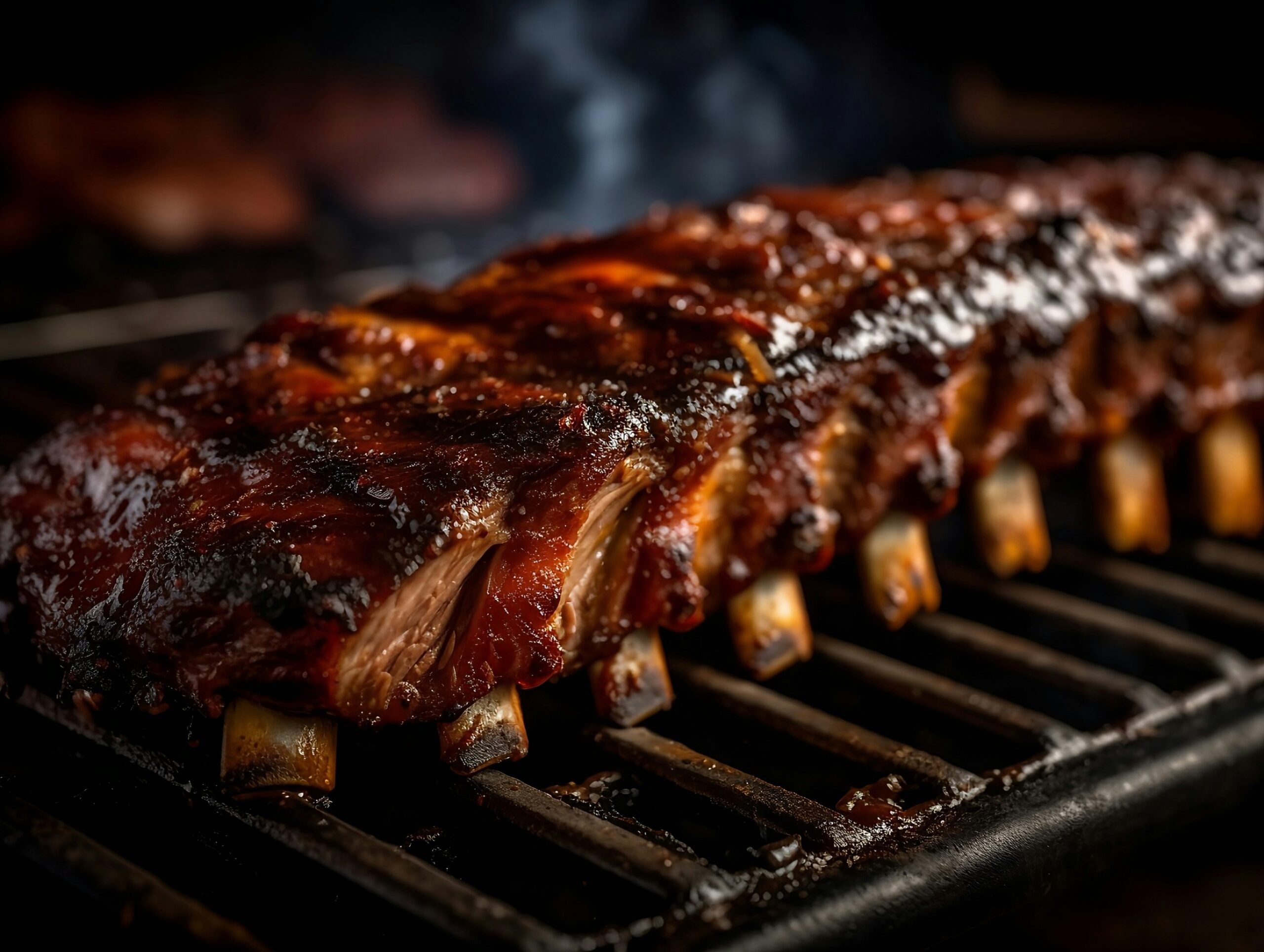
Backyard grilling might come to mind first, yet indoor baking surprises people with how steady it performs of cooking ribs in oven.. Some expect complex tools, instead they find regular ovens handle the job just fine. Long smoke sessions? Not always needed. Results show up juicy, rich, dependable – even on busy weeknights. Fewer variables mean fewer mistakes. Flavor stays deep, texture comes out right, more times than not.
It might surprise you how tricky ribs seem at first. Cooking time, heat levels, spices, when to wrap them, and getting the softness right – these things confuse many new cooks. Dry, chewy results show up now and then. Sometimes they go too far, turning mushy instead of tender.
Thankfully, making ribs in the oven gets simpler when you grasp how slow heat works, ways to lock in juice, yet keep temps steady. Here’s what it takes – picking good racks, getting them ready right, fixing typical problems, while ending up pleased every time. Explore more helpful resource.
Why This Topic Matters
Starting tender isn’t the goal when slow-cooking ribs – tough fibers need patience. Heat works quietly, softening what once held muscle together. Time slips by while collagen melts into something rich and yielding. What begins dense ends up falling apart gently. Proper transformation happens only under steady warmth.
Slow heat works better for ribs than searing hot flames. As time passes under steady warmth, tough fibers soften into a rich, yielding bite folks often love.
Most folks overlook how a rib turns out when basics get skipped. Chewiness sticks around if heat stays too low too long. Dryness creeps in once juices vanish from prolonged roasting. Flavor fades fast without slow patience early on.
Baking ribs inside an oven makes more sense once you see how heat moves through the meat slowly. Home chefs start noticing changes in texture after a while, which leads to fewer mistakes during dinner prep. Confidence grows not from luck but from repeated success with tougher ingredients. Frustration fades when timing and temperature align without guesswork. Larger portions of meat feel less intimidating once the process feels familiar.
Types of Ribs Explained
Knowing the different types of ribs makes it easier to understand how they’re cooked.
Baby Back Ribs
Bone-side hugs the top part where baby backs start. They sit high on the rib frame close to the spine.
Most of these cut thinner, bend a little when heated, while cooking quicker compared to big rib sections.
Bite-sized, they win favor simply by being easy to handle. Their soft texture helps too.
Spare Ribs
Beneath the upper ribs lies where spare ribs are found. Their position sets them apart from other cuts nearby.
Because of their higher fat content, they develop deep taste if handled right during cooking. Tough fibers break down into savory depth under steady heat.
Larger size means a slower cook most of the time.
St. Louis Style Ribs
Most of these ribs have been cut down for straighter edges. Shape comes out even, clean on each piece.
Because they’re all the same size, heat reaches each one just right inside the oven.
Some chefs like how the mix hits just right – meat with richness, depth woven through. A good cut keeps things even, never tipping too far one way.
When you know which rib cut you’re working with, timing and tenderness make more sense. What kind of rib it is shapes how long it takes to cook, also what it feels like when eaten. Cooks who check the cut early adjust better later on. Each type of rib cooks differently, so it’s important to know the difference. Expectations shift once the specific type stands clear.
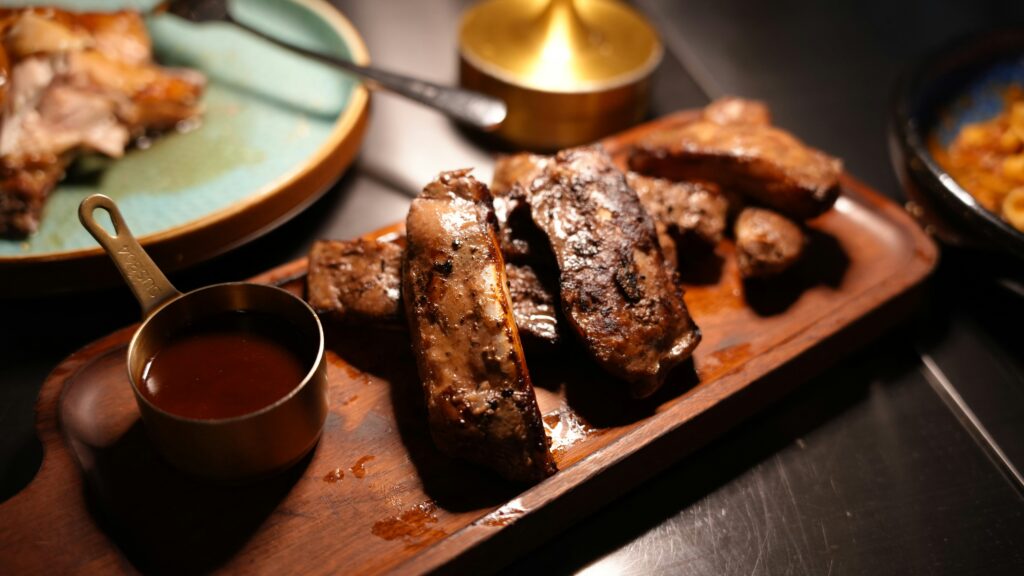
The Science Behind Cooking Ribs in Oven
Baking ribs in the oven works well because the temperature stays consistent.
The even heat slowly breaks down tough fibers without drying out the meat. Unlike grilling, there is less risk of sudden spikes that burn the surface. Moisture gets trapped, which helps tenderize over time. Results often surprise people who expect only smoke and flame to deliver flavor.
When the breeze picks up or rain rolls in, outdoor cooking can struggle – ovens skip those problems entirely. Temperature swings from uneven fuel? They stay steady while grills falter. Wind gusts won’t rattle their heat rhythm either. Stability wins when skies turn unpredictable.
Steady heat slowly breaks down the tough fibers in ribs, making the meat more tender over time.
When heat breaks down collagen, fibers loosen up – juices stay locked inside. Tough bits give way slowly, turning slices supple without drying out.
Waiting matters since pushing too hard with high temperatures tends to drive out water long before the tough fibers soften completely.
That’s the reason slow, gentle heat still earns steady trust among cooks. Wonder reliable lifestyle improvement tips.
Prepping ribs before cooking
Getting ready shapes how things turn out in the end.
Bone side of most rib racks hides a delicate film. Though skipping it won’t ruin things, peeling that layer off usually makes the meat tenderer. Seasonings soak deeper when the barrier’s gone.
Some folks keep it basic. Others pile on flavors just because they like how it tastes. A pinch here works fine. Sometimes a mix feels right when stirred in slowly. What matters most is what suits your mouth best.
Start with salt, then add pepper – this mix stays sharp but clean. Garlic powder drifts in, followed by paprika’s quiet warmth. Onion powder ties it together, never hiding what the meat already has. The result? Layers that lift, not mask.
Hours before heat hits the pan, seasoned hands rub spices into ribs. That early touch gives time for taste to deepen, also helps the coating stick when it matters most.
What feels like a small step at first actually shapes how steady things turn out. This comprehensive guide demonstrates how slow oven cooking can transform ribs into a restaurant-quality meal.
Recommended Oven Temperatures
Picking how hot the pan gets changes how food feels in your mouth – also decides how long it stays on the stove. Heat level shapes crispness just as much as timing does.
Slow heat tends to work best when baking ribs. Some folks prefer a gentle warmth over hours. Others find halfway measures bring out flavor just right. A steady crawl beats sudden spikes every time. Patience often separates okay results from standout ones.
Oven Temperature
Approximate Cooking Time
250°F
4–5 hours
275°F
3.5–4.5 hours
300°F
2.5–3.5 hours
325°F
2–3 hours
Depending on the kind of ribs, how thick they are, one person’s idea of tender can shift. A thicker cut might need more time, while a leaner slab responds differently to heat. Tenderness isn’t fixed – it bends based on what you start with.
Cold settings slow the way collagen softens, usually leading to a gentler texture. A softer change happens when heat stays low, making the outcome less tough. With cooler cooking, the fibers give way slowly – this tends to leave things supple. When warmth is kept down, the transformation feels smoother, often ending in tenderness.
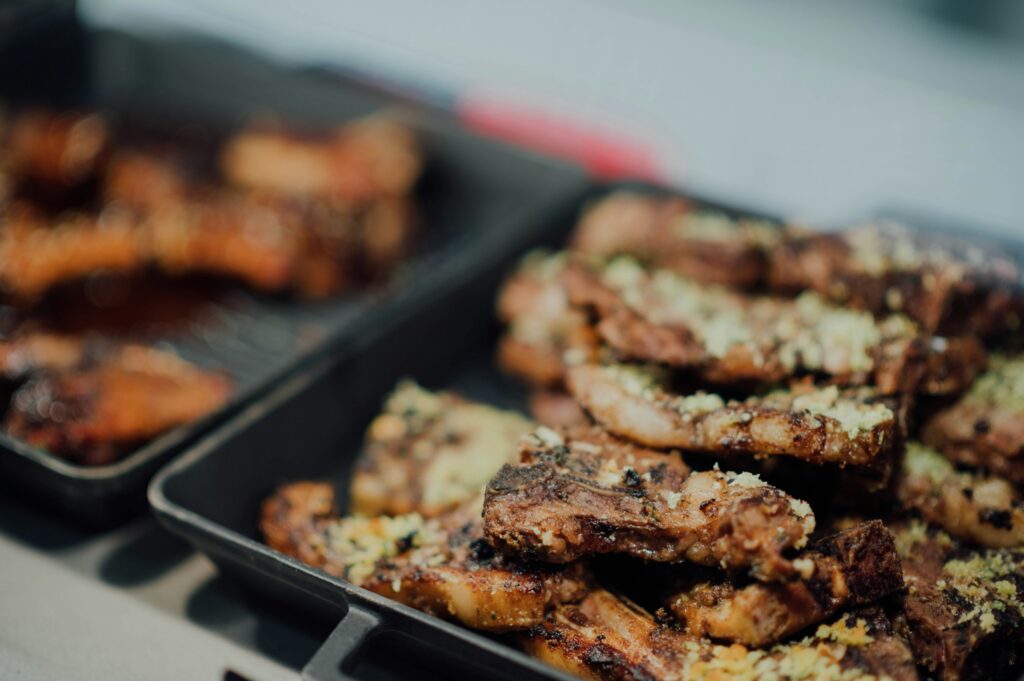
Should Ribs Be Covered When Cooking?
People often wonder whether to cover ribs while they roast.
Wrapping the ribs in foil locks in juices, while building a soft steam around them as they cook. A bit of moisture stays trapped, which keeps things tender underneath the surface. The tight seal pushes humidity back into the meat instead of letting it escape into the oven. This method slows drying just enough without changing how heat moves through the pan. Steam builds up quietly, helping the cooking process inside the covered layers.
Right when you start cooking, this way works best. Sometimes it helps most before things really heat up. Early on, it makes a real difference how things turn out later. Just at the beginning, results improve noticeably.
Just before finishing, peeling back the foil lets the outside gain more depth and crispness. A different look appears once it’s left open to the heat.
Some seasoned cooks prefer wrapping ribs tight during much of the bake, then shifting to open air near the end.
Moisture stays locked in while the outer layer changes, thanks to this method.
Understanding Tenderness
Ribs can be soft without coming apart at the slightest touch.
Many grilling enthusiasts say the best ribs have a slight bite but still pull apart easily.
Bone should release the meat easily, yet keep it firm. Not soft. Just right when pulled apart.
Most of the time, ribs hit their mark once they give a little at the bends while the flesh eases away from the tips.
Spotting the difference keeps food from getting too done.
Family Dinner Works
Baking ribs fast used to be the go-to move when getting dinner ready for relatives. Heat cranked up high cut down waiting, so that’s what they did without thinking twice.
It didn’t turn out the same throughout. One part dried out, whereas the next stayed soft. Still, each bite felt different than expected.
Now the meat stayed tender when cooked slow under foil at just 275 degrees. Heat held in made all the difference through the long hours.
Moisture stayed locked in, so the texture felt softer. What changed was how smoothly it broke apart when eaten.
Folks saw it right away – the kind of change that comes from waiting, not pushing.
Common oven rib cooking mistakes
Wrong moves tend to pop up again and again when people are just starting out.
Too Much Heat
Heat too high can burn the outside while leaving tough bits inside still raw.
Hard ribs might come from this.
Skip the Rest Period
Once done, letting the ribs sit a moment means the moisture spreads back through every bite.
Right away, cutting can let water escape. Moisture slips out if you slice too soon.
Removing Ribs Before Theyre Done
Breaking down collagen takes a while.
Even if the ribs look done, they may need more cooking time to become fully tender.
Food Cooked Too Long
Though it starts soft, leaving it too long pulls moisture away. A slow simmer at first helps, yet overdoing it turns things tough again. What begins as juicy shifts toward stringy with time. Even a gentle heat will drain life from the fibers if kept going. Tenderness fades once the clock runs past its peak.
Finding balance is important.
Ignoring Rib Thickness
Some racks heat unevenly. Others finish faster than expected.
Built like fortress walls, thicker racks demand extra minutes. Sometimes they just need more patience to settle in place.
Troubleshooting Common Rib Problems
The Ribs Are Tough
Most times when ribs feel tough, it is because they did not cook long enough. Not from being cooked too much.
Most of the time, a slower cook at lower heat makes it better.
The Ribs Are Dry
Too much heat might cause it. Or maybe cooking too long while losing steam. Moisture slipping away could be part of the problem. Heat staying high for hours often plays a role. When water escapes during cooking, things go wrong. Long exposure to fire changes texture. Dryness creeps in if covered pots get ignored.
Wrapping the ribs halfway through cooking makes a difference. Sometimes shielding them keeps things steady. A bit of foil at the right moment changes how it turns out. When heat hits slow, covering helps control it. Midway protection shifts how flavors build up.
The Outside Is Getting Too Dark
Wrapping the ribs just lightly in foil can slow down how fast they brown on the outside, yet still let them cook inside. The outer layer stays pale if you do this, even though heat keeps moving through. Some prefer it that way – less crust, more even warmth within. It works because the foil blocks direct exposure but traps steam underneath. That trapped moisture helps soften textures without stopping progress. Cooking goes on, just differently shaped by what covers it.
The Meat Just Comes Apart
Most of the time, that means it’s been cooked too long.
Baking just a touch less next time usually makes it feel better in your mouth. Sometimes shortening the heat helps things turn out smoother than before.
Uneven Cooking
Halfway into baking, give the pan a turn if your oven heats unevenly. Sometimes one side runs hotter than the rest. Swapping positions helps things cook the same. A quick spin halfway can balance out stubborn spots. Not every oven heats straight across. Moving the dish tweaks how heat hits it. When warmth pools in corners, shifting pans adjusts results.
How to Cook Ribs in the Oven
Most chefs pay attention to tiny things because they make a big difference later. A slight change here, followed by careful timing there – results shift quietly but surely. Little steps matter more than loud promises ever could. Mistakes fade when precision leads the way. Details hold weight even if unseen at first glance.
A clever trick is placing a wire rack on the baking sheet. Up above the pan, the ribs catch heat from every angle. Heat moves freely when there’s space underneath.
Freshness shows best when you watch how tender it gets instead of just staring at the clock.
A little lift of the rack tells seasoned cooks what they need. Flex reveals readiness without words.
Heat slips out every time the oven door swings open. Keeping the temperature steady matters just as much. That delay adds up, slowing everything down.
Putting salt on food early helps taste grow deeper. A short wait before cooking changes how it feels when you eat.
Slow heat brings out the best in ribs. Patience matters more than speed when preparing them.
Temperature Adjustments Enhance Surface Quality
A rack sizzled under smoky heat while another soaked up tangy notes from a slow marinade. One leaned into patience, the other into timing. Heat shapes flavor – sometimes gently, sometimes fast.
A single rack was baked at 350°F, which helped reduce the cooking time.
Baked slower, the second rack sat inside at 275°F. The heat stayed steady much longer.
Though each rack hit a safe core temperature, the batch cooked cooler held together more smoothly plus stayed juicier inside.
Slow breakdown of the tissue made each bite feel better. A longer process changed how it felt in the mouth.
Texture shifts just as much with heat level as it does when time on the stove changes. What happens in the pan ties closely to how hot it gets, not only how long things cook.
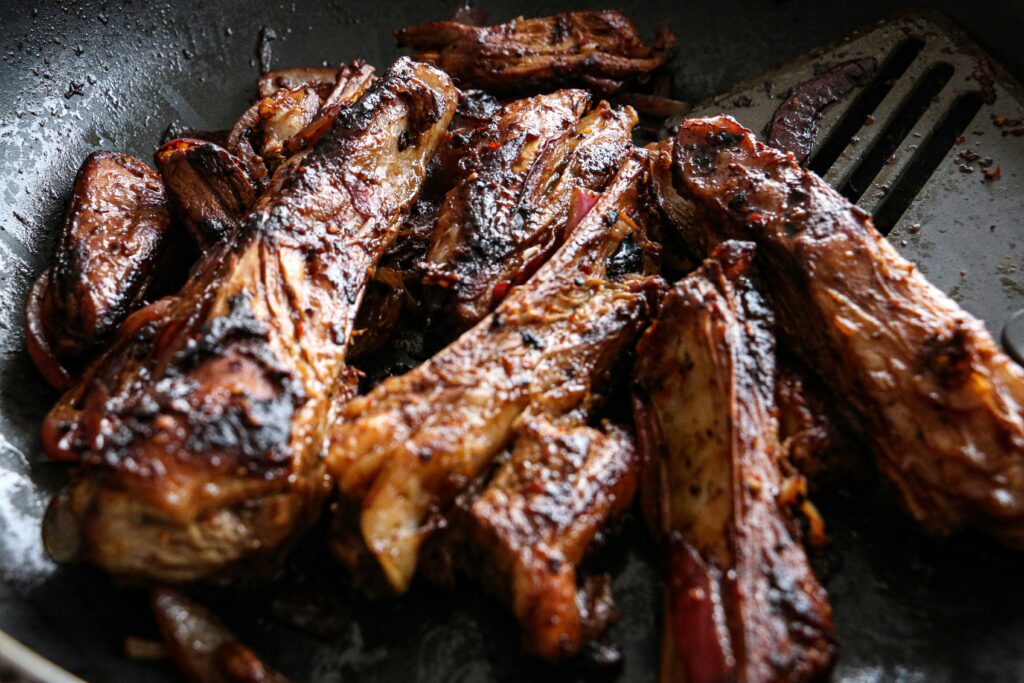
How Ovens Cook Food Differently
There are multiple ways to approach cooking ribs in oven.
Baked skin turns crisp when left open to the heat. A few chefs skip any cover at all.
Foil becomes a go-to when softness matters most. Moisture stays locked in, thanks to tight wraps. Some swear by it, others skip – texture shifts either way. Trapped steam does the work quietly. Results often surprise those who doubt. A quiet helper, really, not loud or flashy.
Starting with a lid on, then removing it later mixes two ways of preparing food. This way lets heat work slowly at first, followed by exposure to open air near the end.
Good outcomes come from each method, provided it’s used with care.
What matters most? Seeing how wetness, heat, and duration play off each other while food cooks.
Home cooks looking for perfectly tender ribs can benefit from this detailed oven-baking guide.
Rest before serving
Even though people talk about resting mostly for steasts and roasts, ribs gain from it too.
Heat lingers inside the meat once it comes out of the oven.
A pause of just a moment lets the dampness even out while changing how it feels when touched. After waiting briefly, the inside adjusts on its own without extra effort needed.
A few moments here or there might shift things more than expected.
Some people skip this step because the ribs already look done, but a little extra waiting can improve the flavor.
Frequently Asked Questions
What temperature is best for cooking ribs in oven?
Baked low, some kitchens run their ovens near 250°F since slow heat softens tough fibers over time. Other times, warmth just shy of 300°F does the job better – meat gives way easier when cooked long at these levels.
What’s the usual time needed for ribs in an oven?
Most racks need between two and a half and five hours to cook, depending on the temperature and the type of ribs.
A cooler oven means longer wait – meat thickness plays its part too.
Should ribs be wrapped in foil?
Moisture stays locked in when foil wraps the food, making it more tender – this matters most at the beginning of cooking. Sometimes a tight cover makes all the difference before heat fully sets in.
How can I tell when ribs are done?
Soft texture shows it is ready. When the meat moves easily, that means cooked enough. A small gap near the bones appears when done right.
Why are my ribs still tough?
When ribs come out tough, they might just need more time under gentle heat so the stiff parts can soften. Heat held steady does what quick bursts cannot – unravels tight fibers slowly. Sometimes patience matters more than power here.
Should ribs rest before serving?
Exactly. Pausing briefly locks in juiciness while making the feel smoother. That little wait changes how it holds together.
Related Articles
Folks keen on learning more about cooking might stumble upon a few extra ideas here worth exploring
- Understanding Rib Cooking Times
- How to Remove the Membrane from Ribs
- Low-and-Slow Cooking Explained
- Common Meat Temperature Guidelines
- Oven Roasting Techniques for Beginners
Conclusion
Baking ribs inside brings good texture, deep taste, without needing tools outside. It’s not about fancy techniques—understanding heat, timing, steam, and how tough meat becomes tender is what really matters. Pick the right oven setting, prep each piece slow, skip usual slipups, wait it out – that builds trust in outcome. For weeknight plates or guests who show up hungry, learning rib basics turns scary tasks into meals you count on.