When people search for uterine ablation side effects years later, they are often trying to understand why symptoms have returned after an initially successful procedure. Endometrial ablation can help reduce heavy bleeding significantly, but uterine it does not completely obliterate your uterus, nor does it get rid of all of the uterine lining permanently. Small zones of tissue can be left in place and then grow back and scars in the uterine cavity could potentially develop and can cause problems years after surgery is performed. It doesn’t really matter whether an symptom that years after ablation you experience is a result of endometrial ablation:
You could easily develop polyps, fibroids, adenomyosis or even hormones would change throughout perimenopause or into aging; or get an infection . So a symptom occurring a couple years after undergoing treatment needs to be fully looked into versus assuming that it is from being older or that the endometrial ablation didn’t work for you all of this time long term problems that arise from endometrial ablation.
What Endometrial Ablation Actually Does
Endometrial ablation is designed to destroy the endometrium or the lining of the inside of the uterus. The condition is best suited to prevent excessive menstrual bleeding which is resistant to medical therapy or management. The other two appendages of theuterus (ovaries andfallopiantubes are still in place and are not removed.
The hormones of the ovaries is still released from theovaries..
As a uterus remains, a woman may still become pregnant although pregnancypost uterineablitionis considered high risk. In the united states, the American College of Gynecologists(ACOG) still suggests use of birth control up to the age ofmenopause. An additional item which should be noted by patients is uterine ablation does not mean thattheyswill never have another menses( menstruation).. Some people have no menses while others with ablationmaystillhave lighter periods after procedure.
It can take months to notice the effect of the ablation.
It therefore explain why we may use the name ” uterine ablation “
Why Can Problems Appear Years After Ablation?
The uterus will continue to develop its natural changes post treatment. Endometrial tissue that is resistant to the treatment may be active and undergo regeneration while simultaneously new scar tissue and fibrosis occurs on the treated area. These two occurrences can collide.
Should the active endometrium generate blood then there is not a clear pathway for blood to exit.This can lead to increased pressure and pain.Late-onset endometrial ablation failure research has outlined several possibilities of what can happen with these two situations – blocked bleeding, trapped blood within the uterus and cyclic pelvic pain.
Timing is an issue too. What was an ideal situation for years may gradually transform over the years and the symptoms return at a later point in the patient’s life. This highlights the importance of long-term follow-up studies in discussing the success rate of ablation.
The 2023 systematic review examining over 48,000 patients found an increase in hysterectomy rates following ablation over time and the rates from two of the studies found a mean rate of about 21% at 10 years (though these rates varied to a large degree). But the number “one in five” does not mean that 20% of patients will necessarily suffer a morbid consequence. Hysterectomy may be necessary for various reasons and the studies themselves examine different patient groups, techniques and follow-up lengths.
1. Return of Heavy or Irregular Bleeding
One of the more easily recognized long-term consequence is recurring bleeding: An individual might spot and or bleed sparsely, or even not bleeding at all for several years before returning. This could be attributed to endometrium segments either surviving or regrowing over time. Recurrent bleeding (or even just the pain associated) with or without recurring bleeds is known as the syndrome, a failure of endometrial ablation in later stages.
However, new bleeding should not automatically be blamed on ablation. The differential diagnosis can include:
- endometrial tissue regeneration
- fibroids
- polyps
- adenomyosis
- hormonal changes
- perimenopause
- endometrial hyperplasia
- less commonly, endometrial cancer
The nature of the bleeding matters. Persistent, increasingly heavy, or postmenopausal bleeding deserves medical assessment rather than being dismissed as an expected consequence of previous ablation.
2. Pelvic or Period-Like Pain
Pain can be one of the more confusing uterine ablation side effects years later, especially when there is little or no visible bleeding.
Scarring can also leave parts of the uterine cavity partially or completely blocked. When endometrial material gets caught there, menstrual fluid accumulates, since it can’t reach the cervix. This may manifest as cramping, or intermittent cyclic pelvic pain. According to a review of long-term side effects of these procedures, such as the buildup of blood within the uterine cavity (hematometra), or in the uterine corners (cornual hematometra), the pain may come cyclically, around when a period is normally anticipated, although there is not much (or indeed, any) menstrual flow occurring vaginally, which makes the issue less obvious to recognize and treat.
3. Late-Onset Endometrial Ablation Failure
The phrase late-onset endometrial ablation failure, LOEAF, may be used by your doctor if symptoms are noted after ablation had initially been deemed successful.
It is not necessarily a disease itself. It’s more of a pattern of returning pain, bleeding, or both after an operation.
The mechanism is most often a battle between two processes: remnants of or regenerating endometrial tissue co-exists alongside scarring that alters the natural pathway for menstrual material to exit the uterus.
A patient resource from a hospital states that while residual endometrial tissue may regrow months or years after ablation causing renewed bleeding or cyclic pain, such a complication is the result of a combination of two opposite processes.
Not everyone presenting with a return of symptoms will necessarily undergo a further operative procedure. The need for further surgery is based upon the cause of symptoms, symptom intensity, anatomy, age, reproductive status and ability to assess the uterine cavity.
4. Scar Tissue and Changes Inside the Uterus
This scarring is an expected component of the mechanism of endometrial ablation, but too much can cause problems down the line.
The shape of the uterine cavity might become irregular, and the cavity might become smaller or even completely fused in places. This can make it harder to examine the full extent of the endometrial cavity and obtain a representative sample.
Why is this important? Endometrial cancer is one cause of abnormal bleeding following ablation-though not the only one. As ACOG points out, endometrial cancer might be harder to diagnose following ablation, and some reviews have documented problems with the investigation of post-ablation scarring.
None of this suggests that ablation CAUSES endometrial cancer. Indeed, a large prospective Finnish study found no excess risk of endometrial cancer following ablation.3 The concern is that structural changes to the inside of the uterus will make it more difficult to investigate new post-ablation symptoms.
5. Hematometra and Trapped Menstrual Blood
A hematometra, essentially blood trapped inside the uterus. Occasionally following ablation, scarring can close off the spot that has remained lining tissue on it that is continuing to bleed. Rather than bleeding out of the cervix it pools in the uterus.
This can be associated with pain cramping pressure in the pelvis again.
In some instances it could occur near one of the horns of the uterus with description that they be designated a cornual hematometra. These are known sequelae from residual endometrial lining interacting with the scarring after ablation. Pelvic ultrasound imaging may be helpful for locating any trapped blood in the cavity some times and this can be a suitable management approach.
6. Post-Ablation Tubal Sterilization Syndrome
Long-term issues in tubal ligated women are another consideration. Post-ablation tubal ligation syndrome has been described as a delayed event consisting of cyclic pelvic pain after endometrial ablation in a patient with previous tubal occlusion. It has been theorized that menses may accumulate with obstruction or scarring at the location of thecornuaof the uterus and close to the oviduct.
Previous tubal ligation is a known indicator of treatment failure or surgery subsequent to the ablation in several studies; a meta-analysis reported a higher odds of surgical reintervention post-ablations among users of second-generation ablation if the patient had a prior tubal ligation.12 It does not suggest that all patients with tubal ligation will experience this complication; it simply represents one variable in the differential diagnosis for cyclic pelvic pain occurring post-ablation.
7. Need for Repeat Treatment or Hysterectomy
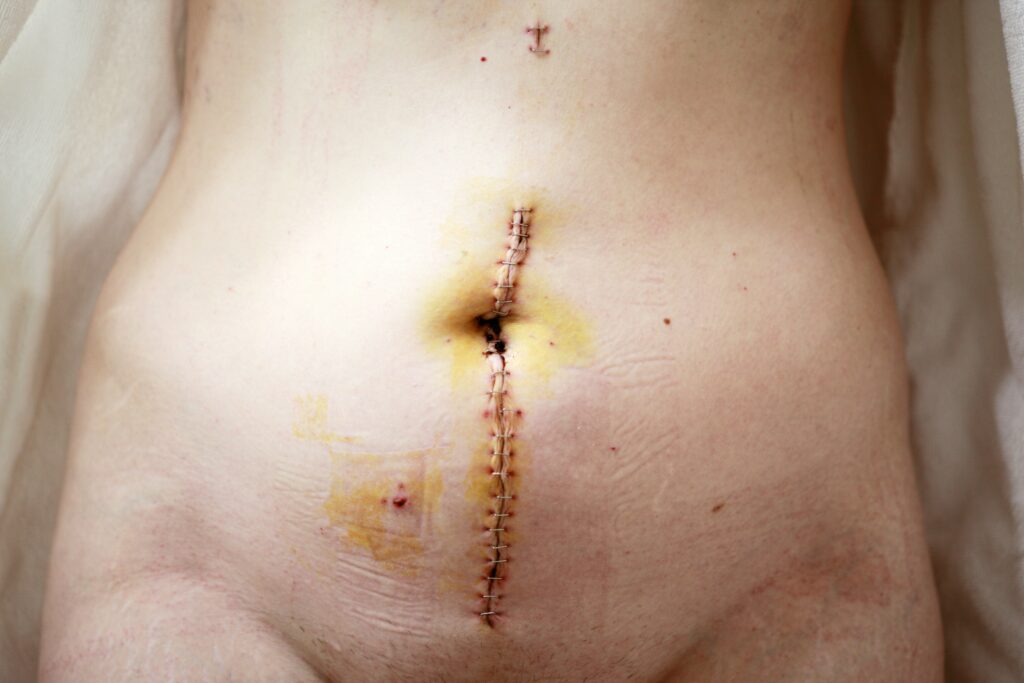
The final long-term prospect is that the initial ablation will eventually be unable to achieve sufficient symptom control. A hysterectomy removes the uterus and hence permanently controls uterine bleeding. However, this operation is “major” and not automatically performed once symptoms of ablation recur.
The long-term studies show that rates of further surgery increase with time.
A systematic review of literature indicated that hysterectomy rates increase from around 4.3% at 1 year to 12.4% at 5 years, with two studies citing an average of around 21.3% of patients undergoing hysterectomy at 10 years. A 2026 case series, recently conducted, also showed that the majority of long-term follow-up patients were satisfied and did not require any additional procedures but, minority of patient undergoes hysterectomy procedures. These result give an important message; endometrial ablation can be successful for many years but long term results are not assured.
Which People Have a Higher Risk of Long-Term Failure?
What patients need to know about long-term outcomes Young age The fact that people go younger for this is important. The thinking is someone goes into the operation young… that means they have many more years where any residual endometrium can be left hormonally active in. Existing periods It’s also helpful to understand whether there was a severe problem with periods or pain to begin with.
In someone who had real dysmenorrhea, simply removing that superficial endometrial treatment might not remove the source of pain, particularly when problems such as adenomyosis or endometriosis is present.
Fibroids Whether fibroids put patients at risk is trickier: Some reports suggest presence of fibroids as a risk factor, whereas others (including systematic reviews) are mixed regarding fibroid location, type and body size effects on late interventions.
Can Endometrial Ablation Cause Hormonal Problems Years Later?
Generally, no.
Endometrial ablation is focused on the tissue lining your uterus – not your ovaries – and, according to ACOG, it doesn’t lead to changes in hormone levels.
If you experienced some such symptoms a number of years after you had the procedure, it’s not necessarily attributable to the ablation itself. It could more appropriately reflect what is considered reproductive aging if you had the procedure at ages 30 or 40. Ovarian hormonal function continues until menopase unless intervened upon for some reason by medicine or another condition.
Pregnancy Remains Possible After Ablation
Important long-term considerations includes pregnancy.
Endometrial ablation does not provide contraception, although pregnancy will be less likely to occur. Pregnancy in the post-ablation period is associated with a greater risk of miscarriage and other complications. ACOG advocates the use of contraception until menopause after the procedure.
This may persist for many years after the ablation if menopause has not occurred.
A missed period, irregular bleeding or symptoms of pregnancy should not necessarily be considered to be another ablation induced hormonal process. Pregnancy should be considered and testing carried out if warranted.
Is Cancer a Long-Term Side Effect?
A bit of careful language here. At the moment, the evidence that endometrial ablation causes uterine cancer is unclear. In the long term- study done in Finland on women who have undergone endometrial ablation no correlation was observed.
It can however be more complicated to see abnormalities within a uterus that is now scarred and have already underwent treatment.
It was concluded when reviewing all known endometrial cancer patients post ablation it occurred many years after the treatment, at times the diagnosis was as long as 10 years post treatment. Thus, if a woman who has undergone ablation gets some new abnormalities it shouldn’t necessarily be disregarded simply that the uterus has been treated. The takeaway should not be: treatment causes cancer but rather the physician will require to change how the symptoms are assessed if previous procedures were made on the uterus.
What Symptoms Years Later Should Be Checked?
A new or changing symptom deserves attention, particularly if it persists or becomes progressively worse.
Medical evaluation is especially important for:
- new heavy bleeding after years of minimal bleeding
- bleeding after menopause
- persistent or severe pelvic pain
- recurring pain without visible bleeding
- unusual vaginal discharge accompanied by pain or fever
- unexplained pelvic pressure
- symptoms suggesting pregnancy
The Royal College of Obstetricians and Gynaecologists also advises seeking medical attention for heavy or prolonged bleeding, fever, concerning discharge, or lower abdominal pain following ablation.
The exact tests depend on the symptoms. A clinician may consider pelvic examination, pregnancy testing, ultrasound, hysteroscopy, or tissue sampling when appropriate. Prior ablation and the resulting uterine scarring need to be considered when selecting diagnostic methods.
What Happens If Symptoms Return 10 Years Later?
The first move should be finding out why the symptoms are happening again. A fibroid, polyp, hormonal fluctuations, undigested endometrial tissue, or another underlying uterine problem may be behind bleeding that came back, for instance, or pooled blood, pelvic tissue problems like endometriosis or adenomyosis, ovarian illness, or something entirely out of the uterus but still within the pelvis. This is why treatment changes as well.
Monitoring will likely work for some, maybe others could be dealt with fairly passively by alternative therapies, whilst still others might need a hysteroscopy and surgical procedures.
Occasionally even hysterectomy may be deemed necessary, once other treatments aren’t adequate for ongoing signs, the structure remains more problematic, or maybe there’s access to the womb from within simply impossible. It really ought to be about why the system has come back again, not how many many years have passed since it was addressed.
A Practical Way to Think About Long-Term Outcomes
The most useful way to understand uterine ablation side effects years later is to separate normal long-term outcomes from potential complications.
A lighter period or no period can represent a successful result. On the other hand, the return of heavy bleeding, new cyclic pelvic pain, or unexplained bleeding after menopause should not simply be assumed to be “normal after ablation.”
Long-term studies show that many people continue to benefit from the procedure, while a smaller but meaningful proportion experience late treatment failure or require additional surgery.
The outcome also depends heavily on age at treatment, previous tubal ligation, preexisting menstrual pain, uterine anatomy, fibroids, and other underlying conditions.
When to Seek Prompt Medical Evaluation
Severe or rapidly worsening pelvic pain, heavy bleeding, fainting, fever, or symptoms of possible pregnancy should not be managed as a routine “side effect” without medical assessment.
Likewise, bleeding after menopause warrants evaluation even in someone who had endometrial ablation years earlier.
The purpose of an evaluation is not necessarily to find a complication. It is to determine whether the symptom is related to the previous procedure, another gynecologic condition, or a separate health issue.
Conclusion
Uterine ablation side effects years later can include recurrent bleeding, pelvic pain, uterine scarring, trapped menstrual blood, late-onset treatment failure, and, in some cases, the need for additional surgery. These problems do not occur in everyone, and many people continue to experience meaningful relief from heavy menstrual bleeding for years after treatment.
The one key factor is: don’t assume all new symptoms are from the old ablation. That’s because fibroids, adenomyosis, hormonal events and othergynecological conditions can mimic these symptoms, so evaluation is still necessary! Persistent pain or recurrence of heavy bleeding or postmenopausal bleeding should all be discussed with your physician or healthcare provider. And a previous ablation did not prevent pregnancies, so continue to avoid pregnancy until menopause.
FAQs
1. Can endometrial ablation cause problems 10 years later?
Yes. Some people develop late-onset ablation failure years after treatment. Possible symptoms include recurrent bleeding, cyclic pelvic pain, or problems caused by scarring and trapped blood.
2. Can periods come back years after endometrial ablation?
Yes. Ablation does not necessarily destroy every endometrial cell, so some tissue can remain or regenerate. Bleeding can therefore return after a period of improvement.
3. Why do I have pelvic pain but no period after ablation?
One possible explanation is that residual endometrial tissue is producing blood that cannot exit normally because of scar tissue. This can cause cyclic pain without obvious vaginal bleeding. Other pelvic conditions can cause similar symptoms, so evaluation is important.
4. Does endometrial ablation cause menopause?
No. Endometrial ablation treats the uterine lining and does not normally affect ovarian hormone production. Menopause can still occur naturally after the procedure.
5. Can you get pregnant 10 years after an endometrial ablation?
Pregnancy can still occur because ablation is not a sterilization procedure. Pregnancy after ablation carries increased risks, so reliable contraception is recommended until menopause.
6. Does ablation increase the risk of uterine cancer?
Current evidence does not show that endometrial ablation itself increases endometrial cancer risk. However, scarring can make investigation of later abnormal bleeding more difficult, which is why new bleeding should be evaluated.
7. When might a hysterectomy be needed after ablation?
A hysterectomy may be considered when bleeding or pelvic pain persists, the ablation has failed, or structural changes make other treatments unsuitable. It is not automatically required simply because someone has had an ablation.