Cooking Lobster Tails Basics
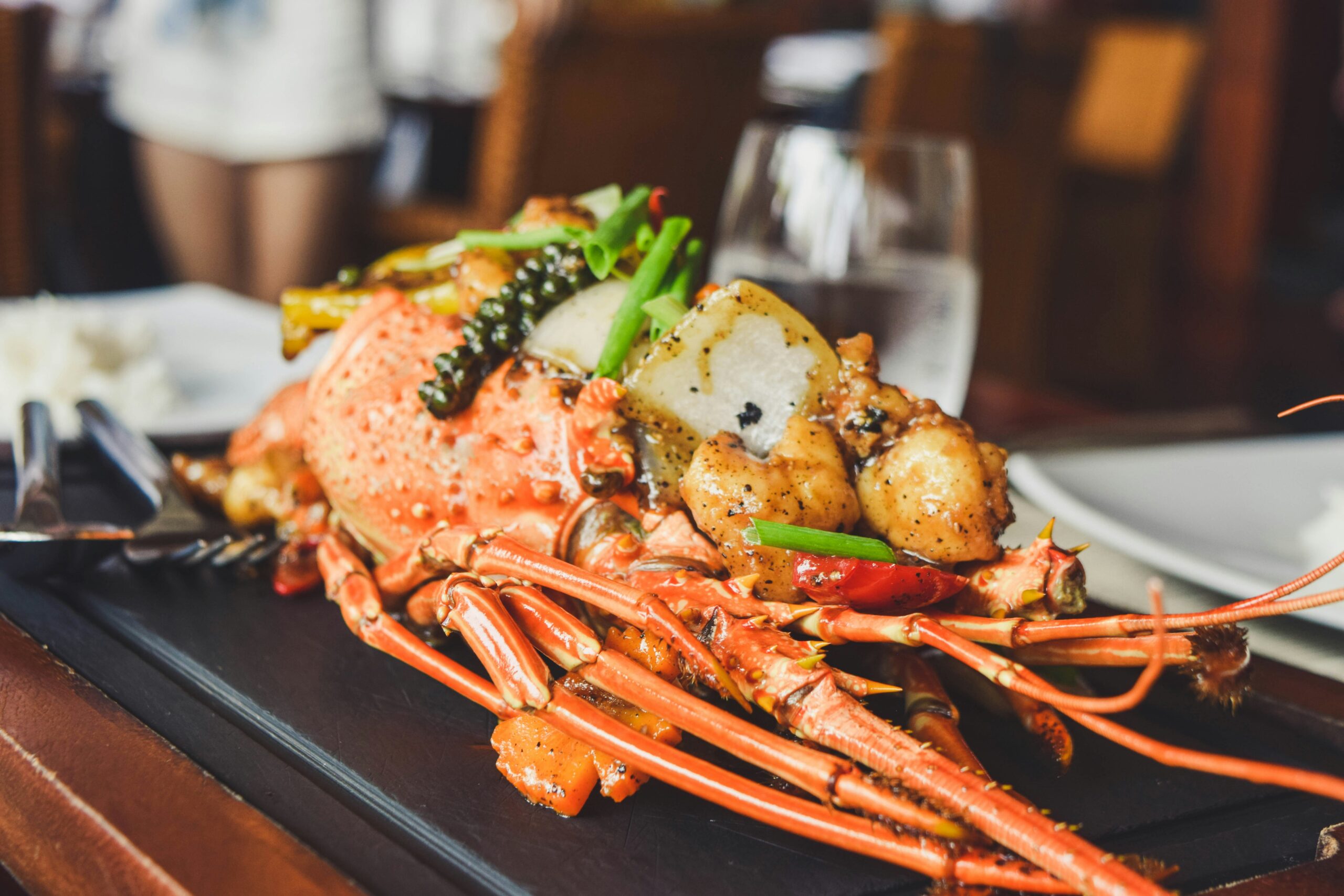
Most folks think of lobster tails as something saved for celebrations. Yet dinner plans usually skip them due to fear of poor timing. Unlike meats that handle errors better, lobster reacts quickly to heat. One moment it’s soft, the next it turns rubbery without warning. Moist flesh dries out almost instantly past its peak. A second too much warmth changes everything.
Surprisingly, cooking lobster tails yourself? Not half as hard as most believe. Get the prep down, know your heat, pick a method – suddenly tender meat and good looks come easy. Here’s how: start with fresh ones, handle them properly, dodge common slipups, then peek behind the curtain at what experts do without fail.
Why This Topic Matters
Out of all sea creatures, lobster tails tend to stand out in people’s minds. Because they show up at weddings, reunions, or evenings meant to stick around in memory, there’s usually a soft wish tucked underneath – that things go smoothly.
Inside, they’re tender, slightly sweet, with a gentle bounce at every nibble – lobster tails often please when treated with attention. When techniques blur, though, errors creep in: meat clenches, grows rubbery, even stays undercooked near the center.
Some folks move way too fast while cooking – figuring out what truly helps fixes that. Take lobster tails, say. Understanding simple steps leads to less trouble later at the stovetop. Strength builds slowly, simply by following through one step after another. Every night, a consistent approach wins out over scattered attempts. Progress shows up quietly, without announcement. When tension lifts from cooking time, meals taste like relief. The rhythm of routine carries more weight than bursts of effort.
Many home cooks look for fresh cooking inspiration when building confidence in the kitchen.
Lobster Tails Cooking Basics
Right away, understanding what makes lobster tail meat unique matters. The way it feels changes how you handle eating it next.
Fatty parts of beef behave unlike lobster when cooked. What it’s made of – protein, water – affects the mouthfeel. Heat hits, things shift quicker than you’d think. Stick it on the flame past a breath, soft becomes hard.
Deep toward the back, the tail holds nearly all the meat worth eating. Chefs pick this section – not only because of its bite – but thanks to how smoothly it takes to grilling, steaming, or roasting.
Fresh items demand care, much like their previously frozen counterparts, should you wish to preserve quality. The way they’re handled shapes entirely how they taste later.
Selecting and Preparing Lobster Tails
Before you start cooking, taking time to prepare makes all the difference with lobster tails.
Thawing frozen tails slowly keeps moisture inside. When ice melts bit by bit, heat spreads more evenly during cooking. A gentle start shapes how things turn out much later. Patience early sets a steady pace ahead.
Scissors built for kitchen tasks often help cooks split the top of a shell just enough. This cut, called butterflying here and there, shows off the meat inside while keeping it attached below.
Warmth moves evenly through the protein when the technique works right, stopping chilly zones from showing up mid-way. Slicing gets easier because the heat stays consistent from start to finish.
Water sitting on food can mess up how evenly it cooks – removing it changes what happens next. The touch of a cloth shifts things quietly in the background. When flames rise under metal, tiny moves take charge. Leaving dampness behind may feel fine – until the sear does not happen. Once hot meets dry, reactions move faster than expected. Water vanishes. Everything moves differently after that first sweep across the land.
Popular Methods for Cooking Lobster Tails
Surprising how one seafood stays on so many plates. The reason lies in its range – cooking it changes everything without hiding what makes it special. Grilled adds sharpness along edges, while baking smooths the flavor into comfort. Steam pulls out softness some never expect. Every method shifts the experience slightly, yet still feels familiar.
Baking Lobster Tails
Baked lobster tails often show up on home dinner plates across the country. Cooking them inside an oven remains a favorite method for many families.
Inside the oven, heat travels slowly – this helps food stay tender. Because temperature rises gradually, meals avoid that sudden overcook you get with fierce open fire.
Exploring different baked lobster tail techniques can help create a tender texture while keeping the meat moist throughout cooking.
Heat takes over once pies go in, so bakers find their minds wandering elsewhere during the wait.
Most of the time, knowing when food is done means looking at it closely instead of staring at a timer. Watching changes happen matters far more than waiting for a bell to ring.
Broiling Lobster Tails
Steam rises fast when the lobster hits the hot broiler. The air above shimmers under intense warmth. Searing heat presses from overhead, relentless. Crustacean shells darken as temperatures climb sharply. Inside the oven, time moves differently – each second counts.
Inside, moisture holds tight while the surface picks up a light caramel shade. Warmth rises through a careful sear, bringing color but not harshness. What shows up? Tenderness deep in, with just a touch of heat marking the outer layer.
For a different flavor approach, these garlic lemon butter lobster tails highlight how simple ingredients can complement the natural sweetness of seafood.
Baking birds go quickly from done to burnt – stay close by. Heat builds faster than expected when these are in the oven. Watch closely once they start browning at the edges. A few extra minutes can ruin the whole thing entirely.
When time stretches past its mark, the feel changes fast. A moment longer turns smooth into rough without warning. Tick by tick it alters what seemed steady before. Not sudden yet impossible to miss once seen. Each second over nudges everything slightly off balance.
Grilling Lobster Tails
Quick fire transforms flavor the moment it touches food. Not only does heat shift how something feels, but also its taste. Deep flavors emerge through searing – flavors missing in every other method.
Smoke curls at the edges, quiet at first. Still, something shifts within. Not sealed tight – just guarded enough. Even so, scent travels where it needs to go. Tough on the outside, sure, yet not closed off completely. Flavor moves through like a hush, steady and low. What covers doesn’t choke. Little by little, trace hints cross over. Even when shut tight, wisps of smoke find their way through. A place to hide sits right next to faint trails of smoldering air.
Fire-kissed fish pulls people in, less about looks, more about those crunchy borders. Flames twist the flavor, some say, handing meals a whisper of smoke. Praise follows a good sear, stretching past mere taste. What you see counts almost as much as what lands on the tongue. Dark lines across the surface bring flair, something few can look away from.
Most folks overlook how much steam slips away if the burner runs hot. Watch the knob closely – tweaking it early stops food turning stiff and lifeless.
Steaming Lobster Tails
Steam holds water inside more than other ways. That’s why folks who care about tender meals pick it most. When things cook dry, they skip the oven, go straight to steaming instead.
Warmth applied gently ensures the meat stays tender, yet allows the lobster’s flavor to stand clear. Not rushed, it builds richness without taking over. Moisture stays locked inside, making every mouthful supple. Sharp edges never show up to ruin the balance already present. Instead of pushing, it unfolds like a long exhale – deepening things just enough.
Water sticks around while cooking if steam does the work, although browning never shows up. Yet pale looks can hide juicy flavor – often, taste jumps right out.
Lobster Tails After Cooking
Here’s the truth – timing makes all the difference when lobster tails cook. Nothing beats watching them closely until they turn just right.
A properly cooked lobster becomes opaque, shifting from translucent to milky white. When you touch it, the meat pushes back at first but yields softly if pressed harder.
Meat that feels rigid usually spent extra time near the heat. That firmness? It creeps in when warmth lingers past its welcome.
Most experienced cooks pay attention to feel, not timers, because tails come in so many shapes. Shellfish never match exactly one another out of the sea. What they see decides what happens next in cooking. A bigger cut transforms fast once heat hits it. Their eyes stay locked on the change, not a ticking display. One batch at a time means new problems every round. The clock doesn’t decide – your eyes do.
Most times, watching for clear signals works better than counting minutes. When things start falling into place early, there is no need to track each move on a timer.
Texture Matters Most
One thing about lobsters surprises most folks – it’s not only flavor that counts. What really sets them apart is the way they give between your teeth. A steady, springy tug means more than many realize. Plenty of seafood misses this mark entirely. Certain ones collapse with an unpleasant bounce. The better ones offer quiet pushback – then part cleanly. Your mouth starts judging before the first bite.
Hardly anyone pays attention to that.
Starts tender, the lobster tail keeps its shape when you bite. It breaks apart slowly, never mushy, always firm in the right spots. A little resistance, then yields – clean and smooth down to the last piece.
Most of the time, overcooked lobster gets tough. As temperatures rise past the right point, muscle fibers tighten hard. Moisture escapes slowly under that kind of heat. Each bite ends up feeling heavy on the teeth. When food cooks too long, proteins shift shape. That shift leaves things tougher instead of soft.
Heat sometimes misses patches, so bits stay strangely tender. Where warmth falls short, a slight glow sticks around. Not every section firms like the rest. See-through traces mark underdone pieces.
Out of step at first, then everything clicks when roasting lobster tails. Suddenly, the clock slows down enough to matter. One after another, heat works through shell and flesh while you wait – never pushing. A softness appears where stiffness might’ve taken hold. What emerges isn’t strained or worn, but smooth beneath the surface. Most times, speed matters less than rhythm. When right, the taste tells everything without words.
Timing Affects Results
Imagine two home cooks preparing lobster tails for a family dinner. One leaves the heat on a little too long, turning a perfectly timed meal into an overcooked disappointment. Without a glance back, those added moments push texture into stiffness – far more resistance than expected on the bite. Water escapes slowly, drawn out by relentless temperature if no one intervenes. The result? A loss felt in every dry note.
Out comes the lobster the moment it turns just right, pulled by the second cook without delay. Watchful eyes and careful touch – those decide everything here. Perfect tenderness holds inside only if taken out at the exact point.
A single cook took exactly what his coworker used – identical pans, identical seasonings. On every countertop, gear stood in matching rows. Just like the one before, each station held copies of the same items.
It wasn’t the hours put in that shifted things – it was staying alert. Results bent where focus landed, not toward hustle.
Common Mistakes When Cooking Lobster Tails
Overcooking the Meat
People usually face this issue way more often than anything else.
If you cook lobster past the right time, its flesh gets hard because there is no fat shielding the muscle strands.
Notice the color shift – timing controls the result more than temperature ever does. One extra moment alters the outcome completely.
Skipping Proper Thawing
Frozen lobster tails trap ice deep within. Heat struggles where cold holds on tight. Spotty cooking shows up when frost refuses to let go. Cold pockets hide in the flesh, messing with even texture.
While the exterior could finish up, work on the interior often continues. Inside tasks linger even after outer parts reach completion.
Outcomes tend to stay more consistent if everything thaws completely. When moments unfold slowly, the important pieces begin to appear. Not hurrying lets clarity rise naturally.
Ignoring Tail Size
Depending on size, certain lobster tails need more time. Cooking duration shifts with thickness. Bigger ones simply require extra minutes. Heat penetrates slower through dense meat. Time varies tail by tail.
Later moves beat stronger ones when big fins are involved. Timing tweaks matter more than force. Sometimes, a few extra seconds make all the difference.
Timing that claims to fit every case? Seldom lines up across different paths.
Excessive Seasoning
Soft, that lobster flavor lingers, hushed against the palate. Out of nowhere, a trace appears – clear, nearly reserved – never shouting.
Spice turned up high drowns out notes people actually enjoy. When heat takes charge, certain flavors just fade away.
Most times, salt plus a few herbs just fits. What counts is how tastes come together, not how much goes in.
Failing to Monitor Food While Cooking
Midway through preparing a meal, attention often slips away. People get caught up in small steps. A moment passes, then another. Focus fades without notice. Hands keep moving while thoughts drift elsewhere. The kitchen stays busy even when minds check out.
Most times, just looking at it stops anything from catching fire.
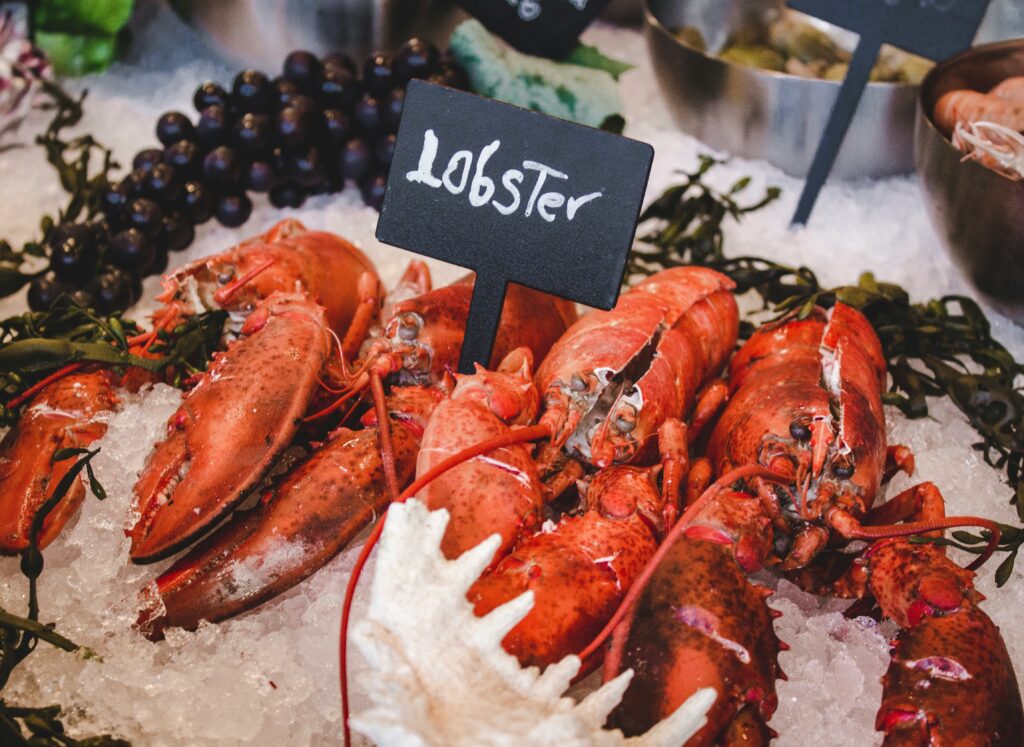
Troubleshooting Common Problems
Why Lobster Gets Tough?
Food usually turns chewy when it stays on the heat longer than it should.
Later meals often improve when cooking time shrinks. Sometimes cutting minutes changes everything.
Meat Still Looks Clear?
Minutes tick by while the dish stays close to the flame. That seafood may require extra time to finish cooking through.
When it works, a thick haze fills the interior.
Why Meat Sticks to the Shell?
After cooking, waiting just a bit lets the insides relax. Pulling it open becomes easier if you give it a few seconds first.
Prepping early shifts how it turns out. Things line up better when done before the rush hits.
Why Lobster Can Taste Dry?
Water sneaks out of food when it heats up, which leaves meals less tender. Heat sometimes pushes moisture out too quickly, before flavors settle. Steam that escapes instead of staying puts stress on softness. As wetness rises into the air, what stays behind turns stiff. Overdone cooking, even slightly, slowly empties out natural juices.
Pausing the heat at the perfect point holds the tenderness in place. When warmth is guided carefully, the bite changes entirely.
Uneven Cooking Explained?
Heat moves crooked when thawing takes too long. Not every part of the tail responds the same – thicker zones lag behind thinner edges. Frozen pockets hiding within can wreck how it cooks. Shapes that shift sharply from thick to thin add to the trouble. These twin issues explain why some bites feel off.
Usually, tweaking your method leads to steadier outcomes.
Cooking Lobster Tails Without Complication
Most cooks who work in restaurants will keep things basic once they start handling lobster.
Off the heat it comes, right when the lobster nearly reaches doneness. Inside warmth keeps going once resting begins. That leftover heat pushes through, completing what the pot started.
Open the tail first, cut down the middle so it lies flat when cooking begins. Heat spreads better that way, stopping one part from getting done ahead of the rest. The dish takes a different shape on serving – cleaner lines, broader surface, easier to handle with a fork.
Some experts prefer looking at the tail size rather than following recipes exactly. Every individual differs slightly in structure.
Often, noticing cues matters more than tracking time. A glance can beat ticking digits every now and then. When timing flows without numbers, it slips into place easier. What catches your eye may tell you more than any display ever could. Judging by appearance instead of clocks lowers the chance to slip up.
After finishing, wait just a bit before diving in – this gives the flavors time to calm down, so each bite feels easier on the mouth.
Lobster Tail Cooking Time Signs
Cooking Stage
Appearance
Texture
Undercooked
Translucent
Soft
Nearly Done
Mostly opaque
Tender
Properly Cooked
Fully opaque
Firm yet moist
Overcooked
Opaque and rigid
Tough
Excessively Cooked
Dry appearance
Chewy
This chart shows cooking levels clearly. Use it when getting meals ready – it helps pick the right doneness. A quick reference, really. Not complicated at all. Cooking becomes simpler with this beside you.
Observation Improves Results
Out of nowhere, a weekend chef tried cracking into lobster tails during the holidays. Hit luck once in a while, but more often than not, things went sideways. Juicy one time. Tough the next. Hardly ever landed where they wanted.
What caught their attention wasn’t time on the clock, but hue first, then feel under fingertips, followed by how clear it seemed. Looks had begun to weigh heavier than earlier.
From those next attempts in the kitchen, flavors began landing nearer to what they should be. Not every fix was loud – most slipped in unnoticed. Round after round, details sharpened on their own. Tiny shifts piled up like crumbs under a table. The wins showed up soft-footed, plate by plate.
Surprisingly soft, the meat caught attention. Less often now, the ends get overdone.
Just worked – no extras. Nothing else arrived, yet it still ran.
Fresh clues came when the cooking process clicked into place.
Handling Lobster Tails During Preparation
Right timing when boiling lobster tails matters, sure. Yet the full story lives outside the kitchen steam.
A good presentation can make fun spread faster.
Once the shell is cracked, certain cooks nudge the meat upward a touch. That small lift shapes the presentation in a quiet way – still noticeable. It changes how the mouth meets the food, piece by piece. With that tiny rise, chewing finds an easier rhythm.
Besides its mild flavor, lobster slides right into place beside a range of pairings that highlight what makes it stand out. Look at it this way – few ingredients work together this naturally, almost like they were meant to be.
Out of the pan straightaway makes everything sit well. While the warmth lasts, taste stays sharp – eat without delay. Crunch wins when time does not drag on. Once cooling begins, change follows close behind. Speed from flame to plate guards its form.
Why Cooking Is Never the Same Twice
A difference in method can lead to nearly identical outcomes, though rarely exact. The approach taken influences the output, however small the shift may seem.
Baking tends to emphasize gentle, even cooking.
Warmth from up high makes the upper layer turn gold. When heat pushes strong, color deepens quick.
Smoke touches the food just enough to leave a mark. A hint of fire changes how it tastes. Not burned – just touched by heat in passing.
Steam keeps water trapped inside. The key factor is how long the moisture sticks around.
Which way a cook goes often comes down to how clearly they see those differences. Their choice leans on what the food needs in the end.
Most of the time, it’s about touch and sight, not a rulebook. The way something should feel in your hand shapes the choice. Not every step fits each dish. A rough finish might need one approach, while smooth takes another path entirely.
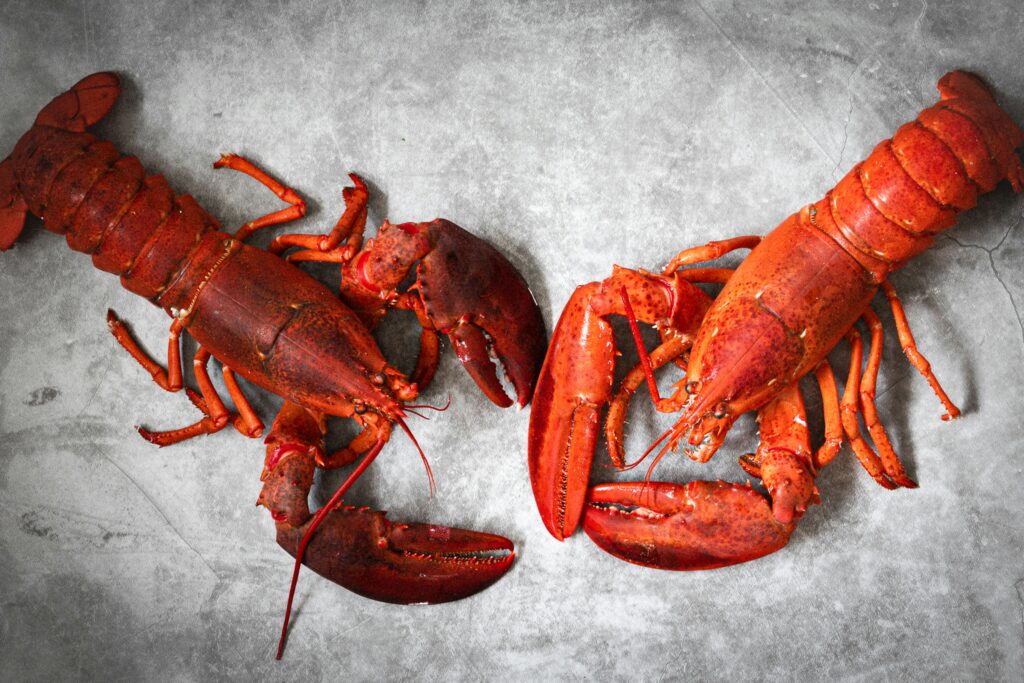
Frequently Asked Questions
Can frozen lobster tails be cooked directly?
Pieces already warming ahead of full heat bring steady inner outcomes. Starting warmer lets outside layers stay moist even as insides reach target. Inside finishes without outer parts turning tough.
Why do lobster tails become rubbery?
Usually, if your meal turns out chewy, it’s because cooking went on just a bit too long – tightening up the proteins way past their limit.
Should lobster tails be cut before cooking?
Most times, the very first move in cooking is cracking the shell open wide. A small cut right through the center keeps it from warping as it heats. The dish ends up neater that way. Lying flat lets warmth spread without favoring one side. Some folks handle this part right away. A flat surface stays level when warm.
How long should lobster tails rest after cooking?
Later on, the sensation improves once water flows in following a brief stop.
Which cooking method is easiest for beginners?
Baking seems within reach right at your kitchen counter because the oven holds its temperature without fuss. A lot of folks find comfort in that predictable pace – meals changing gradually, without sudden shifts, make for calmer evenings.
Related Articles
People curious about cooking fish could give this a glance
- How to Cook Shrimp Properly
- Understanding Seafood Doneness
- Beginner’s Guide to Shellfish Preparation
- Oven Cooking Techniques for Seafood
- Common Seafood Cooking Mistakes
Conclusion
Heat hits lobster, texture shifts without warning. Those cracked-open shells? They show the real task isn’t skill but attention. See the moment softness loses its sheen – right there, movement stops. Skip the long methods; just track the shift in shade. When the soft pink hue turns into a steady light color, it’s time to step back. Later moments turn hard gum into soft give. Catch the beat, then do it again quiet.
Most folks rush the defrost, but patience keeps it tender instead of bouncy. Keep eyes on it during cooking – too long means trouble, just right reveals softness. Going from ice-cold to boiling water? That weakens the structure, breaks down flavor fast. Fire heat pulls richness forward, gentle steam unwraps mild notes, each approach changes how it sings on the tongue. Errors appear quickly when things are kept basic. When it works, you see it without being told.