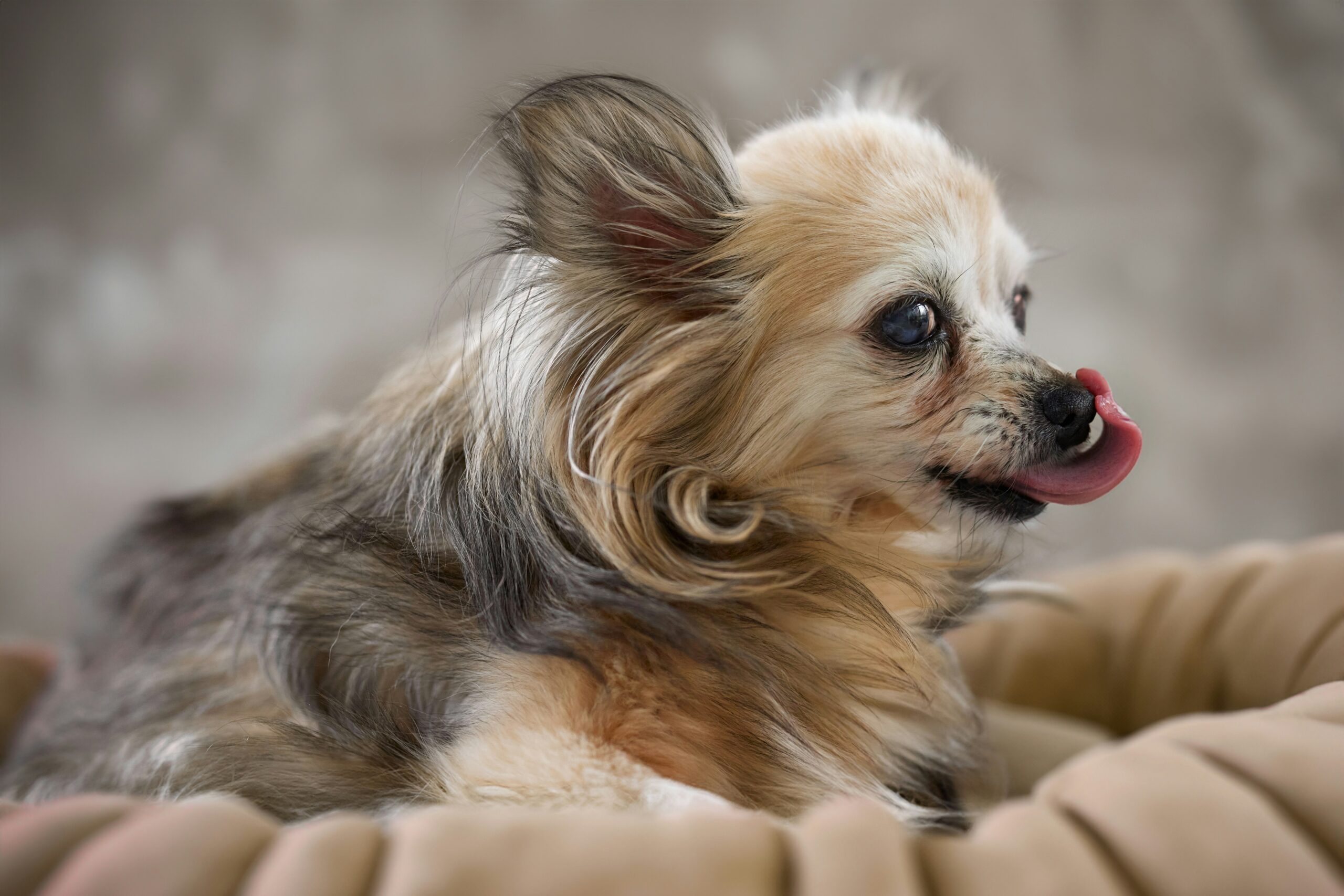
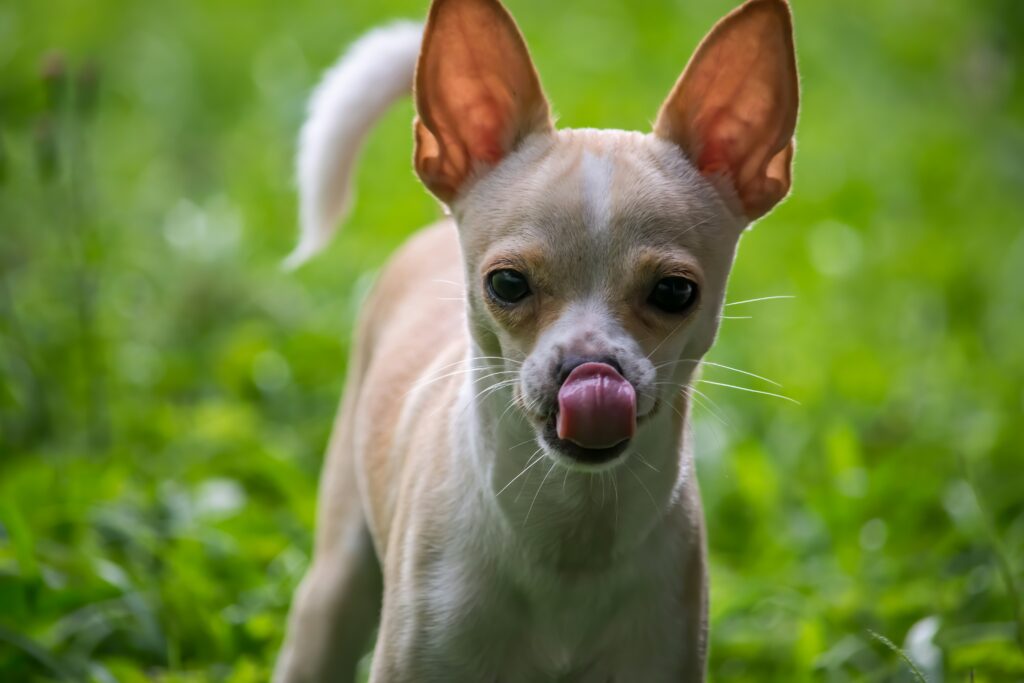
Seeing a small dog rest peacefully on a couch or look up at you with its pink tongue dangling over its bottom lip is a familiar sight for toy breed owners. While many people view a chihuahua with tongue out as merely a charming or endearing physical quirk, this distinctive trait often stems from specific anatomical structures, dental health conditions, or physiological responses. For a concerned pet parent, determining whether this presentation is a harmless habit or an indicator of an underlying medical issue requires looking closely at daily behavior, jaw structure, and oral care.
The jaw structure of certain breed-types such as dog-kinds of toy origin has resulted in structural differences which determine how their dental Arcade can contain soft tissues. For a chihuahua in tip of tongue-out phase which demonstrates it most of the time, such a symptom may appear as being primarily a problem with scale between size of jaw and mass of muscle of tongue. On the other hand, unexpected alterations in canine Jaw carriage may suggest acute pathology such as of periodontal disease with loss of support of oral tissue with concomitant extractions, neurologic disorder or of Environmental stressors.
If you are one who wishes to ensure that dog comfort is maintained and dog health will be supported, such concepts as jaw biomechanics, oral health, and body temperature can influence this together. In this Practical Clinical Series book guide with its straightforward approach you will review the main contributors to tip of tongue-out presentations and learn what to look for with potential harm to oral tissue, and explore Home remedy ways to manage the health risks to ensure the lifelong health of dog.
The Physiology and Anatomy Behind Toy Breed Oral Structure
Understanding why a chihuahua with tongue out presents this physical trait begins with examining the genetic and structural makeup of toy dog breeds. Selective breeding for small body size often leads to microdontia, overcrowded teeth, or under-developed jawbones, particularly in the lower mandible. When the bony framework of the lower jaw is disproportionately short or narrow relative to the soft tissue of the oral cavity, the mouth simply lacks the spatial volume required to retain the muscle comfortably inside.
The presence or absence of the canines and upper incisors is of great functional importance to tongue retention. Canine teeth provided strong, vertical anchor points which prevent the tongue being pulled towards either side when the resting tonus is high. When the muscles slacken as when sleeping (especially in toy breeds with weakened anchor points due to overgrowth and rot or surgically removed roots in the adult dog), the muscle then defaults and slumps to the missing anchor points, which explains why older toy dogs with absent canine roots or absent upper incisors forever rests with the tongue dropped off to one side after standard extractions
Primary Medical and Environmental Causes of Tongue Protrusion
When assessing a chihuahua with tongue out, it is important to separate benign behavioral conditions from active physiological or medical triggers that require intervention. Thermal regulation is one of the most common functional reasons a dog extends its tongue, especially as part of normal canine temperature regulation. Unlike humans, dogs cannot sweat through their skin to cool down, relying instead on panting to facilitate evaporative cooling across the wet surface area of the oral mucosa and respiratory tract.
Toy breeds have a large surface-area-to-body mass ratio, making them highly susceptible to thermal changes and physical activity. As would be expected, a dog who is hot, excited, and Panting will allow his tongue to protrude to increase airflow and allow for quick heat exchange; however if his tongue remains out after such stimuli has ceased, environment would be suspect to have a minor to moderate role, and dental causes would need to be investigated as more likely culprits. Periodontal disease is one major condition that would present chronic exposure to the environment.
Constant bacterial inflammation causes rapid destruction of alveolar bone that surrounds the tooth roots; the resulting loss of alveolar bone causes mobility of the teeth, inflamed painful gums and loss of the tooth.
Chronically discomfort dogs will intentionally hold their mouths agape or allow the tongue to dangle to avoid contact with sensitive soft tissues and infected teeth, and as a result normal dental examinations are one of the cornerstones of proper basic pet care.
Hanging Tongue Syndrome in Small Breeds
In veterinary medicine, when a dog continuously fails to keep its tongue inside the oral cavity, the condition is formally recognized as hanging tongue syndrome. While a chihuahua with tongue out might look cute in photos, true hanging tongue syndrome is a permanent structural condition that brings specific secondary care challenges. The exposed soft tissue is not designed to endure continuous open-air contact, making it vulnerable to chronic drying, surface cracking, and painful ulceration.
In absence of the naturally moist surrounding the tongue encounters in a closed mouth, the outer surface of the tongue may become dry, leathery and possibly bleed, as constant exposure to room-temperature air also may lead to localized bacterial and/or fungal overgrowth all along the dorsal aspect of the tissue. Dogs with hanging tongue should be inspected by owners at least once daily to confirm the appearance of the exposed tissue remains smooth and moist looking without developing profound, bleeding fissures.
A congenital cause for hanging tongue syndrome could be either congenital abnormalities of the brain/nervous system or of the jaw-line. Some dogs can be born with an abnormally long tongue (clinically identified as macroglossia) or a massive underbite or overbite that does not permit normal closure of the jaws. The key in managing the dog is to determine with your vet if a lifetime congenital malformation is causing the presentation or if it is a new and recently adapted position, as management strategies and needs will vary significantly depending on the underlying etiology.
Behavioral Indicators: Relaxation versus Anxiety and Stress
Distinguishing between a comfortable, happy pet and a stressed animal is crucial when analyzing why a chihuahua with tongue out exhibits this behavior at specific times. When a dog feels completely secure in its environment, its muscles loose, and its breathing slow, a slightly tip-of-the-tongue posture simply reflects deep muscular relaxation. This calm state is often accompanied by soft eyes, loose body posture, and a quiet demeanor.
When the tongue does appear while they are pacing and heavy panting, however, with their eyes wide open, lip licking or shaking, the behavior will be motivated by stress, fear or heart conditions. Since smaller dogs generally have trouble with the environment anxiety and an increased heart rate and quick shallow breathing will lead a dog to go “to this physical pose to get enough oxygen. If you can associate his posture with loud events such as thunderstorms, riding in a car or going somewhere new “it is likely anxiety and dealing with the environment would return him to normal.
Dental Care Strategies to Protect Oral Health
Because dental disease is so closely linked to how a toy dog holds its mouth, establishing a consistent oral hygiene routine is a vital step for any owner managing a chihuahua with tongue out. The crowded arrangement of teeth in small jaws creates ideal pockets for food particles and plaque to accumulate, making periodontal disease in dogs a significant oral health concern.
Daily brushing using a soft-headed, species-specific toothbrush and non-foaming enzymatic toothpaste formulated for dogs is the most effective way to slow down periodontal disease. Enzymatic formulas break down organic plaque films even in hard-to-reach corners of a small mouth where mechanical brushing is difficult. Establishing this habit early in your dog’s life protects the structural integrity of the canine and incisor roots that naturally keep the tongue in place.
In addition to daily brushing at home, scheduling annual professional veterinary dental cleanings under general anesthesia is critical. A comprehensive professional exam allows your vet to take intraoral radiographs, identify hidden root decay beneath the gumline, extract non-viable teeth before they cause deep bone infections, and thoroughly scale away hardened calculus. Proactive dental management prevents chronic pain and minimizes the secondary structural changes that force the tongue to slip out of alignment.
Practical Home Care for Permanently Exposed Tongues
When a dog has permanent structural hanging tongue syndrome following dental extractions or due to jaw misalignment, everyday management shifts toward protecting the exposed tissue from dryness and trauma. A chihuahua with tongue out requires simple, thoughtful daily habits to keep its oral tissue healthy and comfortable.
First, ensure your dog has continuous access to clean, fresh water throughout the day. Consider placing multiple wide, shallow water bowls around your living space at an easy height so your dog can drink frequently without straining its neck. For dogs that travel or spend time outdoors, carrying a portable water bottle with an integrated drinking cup allows you to offer quick hydration breaks to keep exposed oral membranes moist.
Second, monitor environmental humidity inside your home, especially during winter months when indoor heating systems dry out ambient air. Running a cool-mist humidifier near your dog’s primary resting or sleeping area adds gentle moisture to the air, helping to prevent the tongue surface from drying out overnight. You can also ask your veterinarian about applying safe, pet-friendly topical oral gels designed to coat and protect sensitive oral tissues from air exposure.
Third, inspect the color and texture of the exposed tip daily during your routine grooming sessions. Healthy tissue should appear pink, moist, and smooth. If you notice the tip turning dark brown, grey, crusty, or cracked, or if your dog pulls away when you touch the area, contact your veterinarian promptly to address localized desiccation or secondary infection.
Neurological Factors and Age-Related Considerations
While dental and anatomical drivers explain most cases, sudden changes in oral posture in senior dogs can point to age-related neurological shifts or cognitive changes. If an older chihuahua with tongue out suddenly develops this posture alongside confusion, aimless wandering, or altered sleep cycles, a comprehensive neurological assessment is warranted.
Conditions such as Canine Cognitive Dysfunction, often described as senior dog dementia, can alter basic nerve signaling and motor control, leading to decreased awareness of tongue placement. Similarly, minor strokes, central nervous system inflammation, or nerve palsies affecting the hypoglossal nerve—which controls tongue movement—can cause one-sided weakness or paralysis, allowing the tissue to droop outward passively.
Furthermore, certain prescription medications, sedatives, or muscle relaxants can temporarily lower muscle tone throughout the head and neck, resulting in transient tongue exposure until the medication clears the system. Always keep a detailed log of when the posture first appeared, whether it is constant or intermittent, and any accompanying behavioral or mobility changes so you can share an accurate history with your veterinary practitioner.
Evaluating Respiratory Function and Brachycephalic Traits
Although chihuahuas are generally categorized as mesocephalic, many modern lines display shortened muzzles and domed skulls that lean toward brachycephalic traits. When evaluating a chihuahua with tongue out, assessing overall respiratory ease is essential for ruling out airway obstruction or distress.
If your dog extends its tongue while making loud, raspy breathing noises, snorting, or showing flared nostrils, the behavior may be an effort to maximize airflow through a narrowed upper airway. Structural issues like an elongated soft palate, stenotic nares, or a collapsing trachea—a common condition in toy breeds where the cartilaginous rings of the windpipe weaken—can make breathing difficult, forcing the dog to open its mouth wider to pull in enough air.
If you suspect your dog is struggling to breathe, pay close attention to the color of its gums and tongue. Healthy tissue displays a rich pink hue, while pale, grey, or bluish tissue indicates an emergency lack of oxygen that requires immediate veterinary care. Ensuring your dog maintains an ideal body weight and using a chest harness instead of a neck collar during walks takes pressure off the trachea, supporting smoother breathing and overall comfort.
Diagnostic Framework for Pet Owners
To help you determine whether your dog’s posture requires medical attention, review this step-by-step diagnostic checklist to guide your decisions and conversations with your vet.
First, assess timing and onset. Was your dog born with this posture, did it develop gradually alongside aging and tooth loss, or did it appear overnight? A lifelong or gradual onset typically points to benign anatomical or dental causes, whereas a sudden appearance suggests recent trauma, acute oral pain, insect stings, or a neurological event.
Second, examine tissue health and moisture. Is the exposed portion of the tongue pink, moist, and pliable, or is it dry, cracked, bleeding, or discolored? Healthy tissue means your current hydration management is working, while dry or cracked tissue indicates a need for immediate protective care and hydration adjustments.
Third, evaluate systemic behavior and vital signs. Is your dog eating comfortably, playing normally, and breathing easily, or is it lethargic, rubbing its face against the floor, dropping food while eating, or showing blue-tinted gums? Normal daily activity suggests the posture is manageable at home, while signs of pain, eating difficulty, or respiratory distress require a prompt professional evaluation.
Preventive Measures for Long-Term Comfort
Protecting your dog’s oral health and physical comfort over its lifespan involves combining daily proactive routines with smart environmental choices. Preventing severe dental disease remains the single most impactful step an owner can take to preserve natural jaw alignment and oral tissue support.
Implement an gentle daily oral care routine, offer safe chew toys designed for small mouths, and avoid feeding extremely hard items like cooked bones or heavy nylon chews that can fracture delicate teeth. Feed a high-quality, balanced diet tailored to small breeds, and maintain routine wellness visits with your veterinarian as part of a consistent small dog health care routine to spot subtle health shifts before they become major problems.
By understanding the physiological, anatomical, and environmental factors behind a chihuahua with tongue out, you can move past confusion and provide attentive, effective care. Whether your dog’s posture is a charming anatomical quirk or a condition requiring daily hydration support, taking a informed, proactive approach ensures your companion stays safe, comfortable, and healthy for years to come.
Frequently Asked Questions
1. Is a chihuahua with its tongue out always a sign of a medical problem?
No. Many small dogs display a resting tongue posture due to natural jaw shape, missing teeth, or deep muscular relaxation during sleep. If the dog is eating normally, breathing comfortably, and the exposed tissue remains pink and moist, it is often a benign trait rather than an active medical crisis.
2. Can missing teeth cause a dog’s tongue to hang out permanently?
Yes. The canine teeth act as natural vertical supports that hold the tongue inside the mouth. When these teeth are lost due to severe decay or surgical extraction, the tongue easily slides out toward the side where support is missing.
3. How can I keep my dog’s exposed tongue from getting dry and cracked?
Ensure your dog has constant access to fresh water, place cool-mist humidifiers near its primary sleeping areas, and use portable water bottles during outings. You can also consult your vet about pet-safe topical oral lubricating gels to protect exposed tissue.
4. When should I take my dog to the vet for tongue protrusion?
Seek immediate veterinary evaluation if the tongue exposure appears suddenly, if the tongue turns blue, purple, or pale, if your dog is struggling to breathe, or if you notice signs of severe oral pain, swelling, or bleeding.
5. Does heat affect how often a toy breed sticks its tongue out?
Yes. Dogs rely on panting and extending their tongue to exchange heat and regulate body temperature. Because toy breeds are sensitive to temperature changes, warm environments or physical exertion will naturally increase tongue exposure as they cool down.
6. What is hanging tongue syndrome in small dogs?
Hanging tongue syndrome is a condition where a dog’s tongue continuously hangs out of its mouth due to genetic factors, severe jaw misalignment, an abnormally large tongue, or extensive tooth loss. It requires attentive daily care to keep the exposed tissue hydrated and healthy.