DIEP flap reconstruction is an effective method of using your own skin and fat from the lower abdomen to create long-term breast reconstruction without using the muscles of your abdomen. Since the transferred skin and fat is living tissue, it may undergo changes as you age, lose or gain weight, receive radiation therapy, or experience other body changes. While most results remain excellent in the long term, DIEP flap complications years later can sometimes develop after the initial recovery period.
Understanding diep flap complications years later is important because a new lump, change in breast shape, abdominal bulge, discomfort, or scar change does not automatically mean the reconstruction has failed or that something serious is happening. Some changes are related to normal tissue aging or fat redistribution, while others may require examination or imaging.
This paper describes problems of the DIEP flap reconstruction late after the surgery, explains reasons why and when these problems are seen, signs or symptoms that warrants evaluation, common errors made in managing these conditions, and some of the things a plastic or reconstructive surgery specialist will do to work out and or address the problem.
Why This Topic Matters
DIEP flap reconstruction is an autologous breast reconstruction method in which skin and fat are moved from below the abdomen to the chest, with the blood vessels of the DIEP flap connected using microsurgical techniques. Unlike standard abdominal flaps, DIEP flaps avoid removing a large amount of the underlying abdominal muscle. This muscle-sparing approach may reduce complications associated with the abdominal wall; however, DIEP flap complications years later can still occur in some patients.
Delayed donor-site problems may include abdominal distension and herniation, while breast-site complications can involve fat necrosis, scarring, deformity, infection, or other changes that may develop over time.
Significantly, “years later” can cover many situations in which an issue discovered months after surgery may not even have started the same way as an issue noticed 5-10 years later. Certain complications are, in fact, discovered only months or even years after they start to manifest during healing; while other, genuine late complications may occur from changes in the body, reconstructed chest/breast wall, and abdomen over time.
What Can Change Years After a DIEP Flap?
An excellent way to organize late problems is to think of these as occurring in two places – the reconstructed breast on one hand, and the abdominal donor area on the other hand. The reconstructed breast itself is filled with skin and alive fat. It’s an allogennic area and it behaves that way. The abdominal donor site also carries risks – surgical site.
Fat Necrosis Can Become Noticeable Later
One of the most common concerns when discussing DIEP flap complications years later is fat necrosis, which occurs when fatty tissue loses its blood supply and gradually breaks down, sometimes causing fat necrosis after breast reconstruction. The affected tissue may harden, become rounded, and feel like a distinct firm lump that you or your plastic surgeon can notice.
During a routine breast self-exam or even while showering, a person may discover a firm lump. Finding a lump can understandably cause concern, particularly for breast cancer survivors who are aware of the possibility of recurrence. However, there are several possible reasons for a lump to develop after breast reconstruction, and fat necrosis is only one possibility. A lump should not simply be assumed to be benign without determining its cause. A clinician may recommend an examination and appropriate imaging to better understand what the lump represents.
A 2024 ASPS meeting reported fat necrosis in a substantial proportion of reconstructed flaps after reviewing more than 400 DIEP flaps, suggesting that it remains a relevant long-term consideration for this type of reconstruction. A palpable lump by itself, however, does not establish a specific diagnosis. Depending on the physical examination and imaging findings, the next step may involve observation, additional diagnostic testing, or, in some cases, surgery.
Breast Contour Can Change Over Time
Size & shape The relocated tissue in your reconstructed breast will react similarly to the cells in your body. This means when you gain or lose weight, it can alter the shape and size. Time is another factor: over the years fat in any body can change location, firmness and shape, which may subtly change the symmetry andcontourof your breasts.
This is another reason that the results should be seen as changing over a period of time as opposed to being static. A breast that appeared symmetrical 5 years post-reconstruction might appear slightly different from the contralateral side 10 years post-operation; this doesn’t mean to say that something had gone wrong-often it has merely adapted.
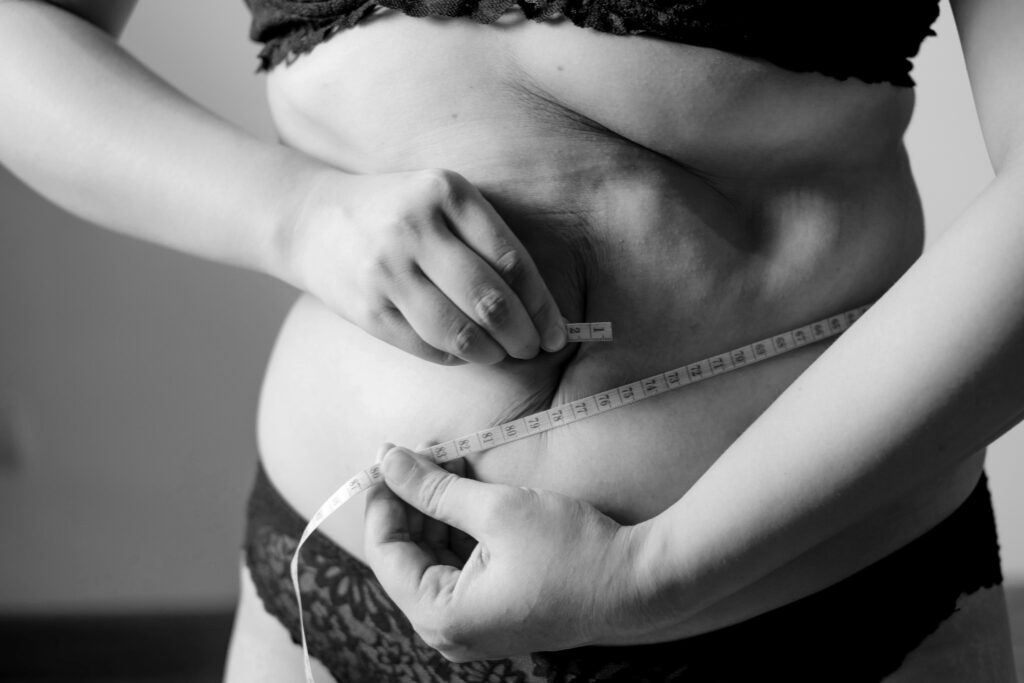
Abdominal Bulging May Develop or Become More Noticeable
Another concern involves the abdominal donor site, particularly when considering DIEP flap complications years later.
The abdominal wall in the flap tissue still contains rectus muscle (the big tummy muscle). Normally this means that a DIEP may result in less risk of abdominal weakness than procedures removing more muscle tissue, but there can still be problems in the abdominal wall.
The abdominal bulge can occur at a specific site especially in erect position, following cough, exercise, or Valsalva maneuver. In a review of reports of abdominal bulge post DIEP reconstruction the rate was reported to be highly variable between centers, though clinically accepted hernias were less frequent.
A bulge does not automatically equal a hernia. While they have some relation, they’re not the same. With a hernia, part of the tissue pushes through a weakened abdominal wall (i.e. Abdominal wall weakness or irregularity), whereas a bulge occurs because of the weakness and changed forces.
If a bulge is new, enlarging, painful, or affecting physical activity, evaluation by a surgeon is appropriate.
Hernia Is Possible, Even Though DIEP Is Muscle-Sparing
The risk of developing a hernia after DIEP flap is less than some of the older methods of harvesting flaps from the abdomen that require the removal of abdominal muscles, but not without it. DIEP flap complications years later can include abdominal wall changes such as hernias, although these are relatively uncommon.
A single study of 234 DIEP flaps (in 202 patients) reported hernias in 0.5% (1.1 per 200 patient-years) of patients, and clinically detectable abdominal wall bulging in 3.4% (7.8 per 200 patient-years).
A hernia can also appear years after a surgical repair, making incisional hernia symptoms important to recognize during long-term follow-up. As aging, exercise, weight, and other things change the abdominal wall, a once asymptomatic weak spot can become more evident later on. To differentiate between just contour changes of the abdominal wall from a structural defect in it, your surgeon might rely on the findings from a physical examination, using imaging when needed.
Scar Tissue and Firm Areas Can Persist
Scarring is another potential source of concern years after reconstruction.
Surgical scars can remain firm, raised, tethered, or uneven. Scar tissue can also create small areas that feel different from the surrounding tissue, which is an important consideration when understanding breast reconstruction complications.
This can happen both around the breast reconstruction and along the lower abdominal incision.
The appearance and texture of scars can change over time. Some become softer and less noticeable, while others remain prominent. A new or changing area should nevertheless be assessed if it is associated with persistent pain, rapid enlargement, skin changes, drainage, or another unusual symptom.
The key is not to judge a symptom solely by how long ago the surgery happened.
Can a DIEP Flap Fail Years Later?
Total flap loss remains mostly early and a surgical worry since it depends upon its nascently anastomosed blood vessels. Fortunately, contemporary micro-dissectional methods do make overall loss rare in contemporary practice. DIEP flap complications years later are generally different from the early vascular problems associated with total flap loss.
As an example, a huge 2024 series out of 3,270 DIEP flaps described total flap failure in 1.22 % of cases. Among the identified reasons for failure of a flap, the series documented late onset fat necrosis in two different patients with flap failure in this big study group. It makes difference that a patient discovers a hard spot later as one wouldn’t know how the whole flap is failing and wouldn’t be so desperate anymore like patients have with a tissue that has suffered an early failure.
Partial fat necrosis, contour changes, scar tissue, and complete flap failure are very different clinical situations.
What Increases the Risk of Late Problems?
There is no single factor that determines whether someone will develop a late complication.
Factors recently identified as linked to postoperative complications of DIEP flaps include obesity, diabetes mellitus, radiation, and several factors involved in the technique used for the harvesting of the flap. A 2025 study on 250 DIEP flaps indicated the factors of obesity and diabetes were linked with later donor-site as well as flap complications.
Radiation can affect the reconstructed tissue as well. If the patient has a history or will have radiation during treatment for cancer it may have an effect on the quality of skin, soft tissue and overall healing of the reconstruction, as well as aesthetic results.
Because smoking cigarettes damages tissues and impede blood flow and wound healing, it plays role in plastic and reconstructive surgery. As in every field of surgery, risk management varies according to individuals. The patient’s individual story and condition play crucial part.
Common Mistakes People Make Years After Surgery
Assuming Every New Lump Is Fat Necrosis
This is one of the most important mistakes to avoid.
Fat necrosis might feel as a firmer lump, but even so, any new breast lumps with existing breast cancer, should be investigated. Don’t self diagnose based on the feeling of the lump.
Assuming Every Lump Means Cancer
The opposite mistake is also common.
A reconstructed breast can develop benign changes, including fat necrosis and scar tissue. Finding a lump does not automatically mean cancer has returned.
The correct response is evaluation rather than panic or dismissal.
Ignoring an Abdominal Bulge
Some people assume that an abdominal bulge is simply part of the cosmetic result after surgery. If the change is new or progressing, however, it deserves medical attention.
A physical examination can help determine whether the issue appears to involve the abdominal wall.
Waiting Because the Surgery Was “Years Ago”
Another misconception is that a problem cannot be related to reconstruction if several years have passed.
Some complications are delayed, and some long-term changes become noticeable gradually. The timing should be part of the medical history, not a reason to automatically dismiss the symptom.
Pro Tips for Long-Term DIEP Flap Care
A practical approach is to become familiar with your normal baseline, especially when considering DIEP flap complications years later.
There’s no point prodding the reconstructed breast and/or the abdominal wall obsessively and nervously; focus instead on changes which matter. Think about changes in: shape; texture; swelling; pain; skin appearance or contour of your abdominal wall.
Take your reconstructive and breast cancer history with you when you see another physician in order to know whether you’ve had radiotherapy; unilateral reconstruction; simultaneous simultaneous;bilateral; and have had previous reconstructive procedures. This is of great assistance to the clinician.
It’s Helpful to Distinguish Between Something Stable and Something That is Changing It’s important to realize that a mass of stable area present for many years will be managed differently than something that has recently developed or begun to expand. More importantly, don’t assume a particular condition will necessitate an operation, for various forms of cause, may lead to close observation, studies by various technologies, exercises performed by a professional, treatment modified by an individual’s activities, as well as a revisional procedure operation. The real working should be based on what is found, for instance the real disease entity, for example if, indeed, the lesion that occurred.
How Doctors Troubleshoot a New Problem
When a new problem develops at a new site years after the DIEP reconstruction, typically initial assessment focuses on comprehensive history taking and a thorough physical examination of the new area. You will typically be asked several questions, such as the following: What do you perceive to be a change?
If there’s a lump in breast For the detection of a breast lump, a diagnostic approach, to include at least two modalities may be done whenever clinically warranted. A ultrasound, mammography, and potentially MRI or tissue-sampling will be carried out according to the result. If there is an bulge in the abdomen Physical examination may be centered upon an abdominal bulges that deform with muscle use or a bearing down effort on increase of abdominal pressures. With imaging, it may be possible to reveal the presence of an hernia and another abnormality.
The goal is straightforward: identify what changed before deciding how it should be treated.
A Simple Real-World Example
Imagine a woman who had a DIEP reconstruction many years ago who recently found a firm nodule in her reconstructed breast.
One’s first thought would probably be that it is scar tissue or fat necrosis. A more judicious plan, however, would be to note when the nodule started appearing and whether it is changing and to get it evaluated by her physician.
Now consider a different situation: a person notices a small abdominal prominence when performing a sit-up but sees no bulge while relaxed.
This could represent abdominal wall laxity and bulging and not really a hernia at all. So again the appearance alone cannot confirm. Testing and exam can.
When Should You Seek Medical Evaluation?
A new or changing breast lump, persistent swelling, unexplained pain, skin changes, drainage, or a significant change in breast shape deserves medical attention.
Likewise, a new abdominal bulge, increasing abdominal pain, or a change that interferes with movement should be discussed with a healthcare professional.
Urgent assessment is appropriate when symptoms are severe or rapidly worsening, particularly when there is significant pain, redness, fever, sudden swelling, drainage, or other signs of an acute problem.
For people with a history of breast cancer, routine oncology and breast follow-up should continue according to the individualized plan provided by their care team.
Comparison: Early Complications vs. Problems Years Later
Timing of complication is an important clue to suspect a complication but does not diagnose it. In the context of DIEP flap complications years later, understanding when a change develops can help guide further evaluation.
Problems like bleeding, hematoma, venous congestion, artery related problems, wound healing problems, infection or flap perfusion related problem occurring in earlier period in DIEP surgery studies and systematic reviews have been listed.
Later concerns are more often associated with changes such as fat necrosis, scar-related firmness, breast contour changes, abdominal bulging, or hernia.
However, there is overlap. A problem can begin earlier and only become noticeable much later. This is why the timing of symptoms should be considered alongside examination and, when necessary, imaging.
What Long-Term Research Tells Us
DIEP generally looks like stable reconstruction. An investigation comparing outcomes up to 58 months (median), yielded a lower five-year cumulative incidence of complications requiring unplanned return to surgery or hospital readmission for complications among women who had a DIEP compared with similar women who had tissue expander/ implant-based reconstructions.
Further, a prospective, randomized 5-year follow-up study reported good patient satisfaction in DIEP reconstruction patients but also highlighted the benefit of longer follow-up to gain knowledge regarding the lifetime ofvariousreconstructions.
These results are comforting, but should not cause anyone to assume that complications never happen in the distant future. In other words, the true message of this study seems to be that DIEP reconstruction is quite durable in the long term while still being a procedure requiring ordinary long term follow up.
Conclusion
Understanding diep flap complications years later does not mean expecting problems. DIEP reconstruction is designed to provide durable breast reconstruction using the patient’s own tissue, and long-term studies show generally favorable outcomes.
At the same time that the abdominal site for donor is reattached and remolded and re-forms into a breast implant the breast and abdominal donor site remains still years later. There can be all sorts of changes that come about – scarring, fatty necrosis, abdominal bulge, hernia, contour deformities are seen with the weight of the body on these areas and, other changes are just of aging itself.
5 The Best Plan It all boils down to one key strategy that will help you throughout the years: Understand your baseline, notice what matters, practice the appropriate followup and get unknown symptoms seen, not diagnosed.
A plastic/reconstructive surgeon, breast specialist and oncology surgeon will be able to determine if any further investigation or treatment are necessary and the most appropriate plan, if there is a new symptom that causes worry many years postoperatively.
Frequently Asked Questions
Can DIEP flap complications happen years later?
Yes. Some complications or changes can become apparent months or years after reconstruction. Examples include fat necrosis, abdominal bulging, hernia, scar-related changes, and changes in breast contour. Not every late change is a complication, however.
Can fat necrosis appear years after DIEP surgery?
Fat necrosis can become noticeable later, although the timing varies. A firm area or lump should be evaluated rather than automatically attributed to fat necrosis.
Is an abdominal bulge normal after a DIEP flap?
An abdominal bulge can occur after DIEP reconstruction, but it is not something that should automatically be considered normal. A new or progressive bulge can sometimes reflect abdominal-wall weakness or a hernia and should be assessed when persistent or concerning.
Can a reconstructed breast change shape years later?
Yes. Reconstructed tissue is living tissue and can change with aging, weight changes, and other factors. Gradual changes do not necessarily indicate a complication.
Does a new lump after DIEP reconstruction mean cancer?
No. Benign causes such as fat necrosis and scar tissue can produce lumps. However, a new or changing lump should be assessed by a healthcare professional, particularly in someone with a history of breast cancer.
When should I contact my doctor about a late DIEP complication?
Contact your healthcare team for a new or changing lump, persistent pain, swelling, skin changes, drainage, a new abdominal bulge, or another unexplained change. Prompt evaluation is preferable to trying to determine the cause yourself.