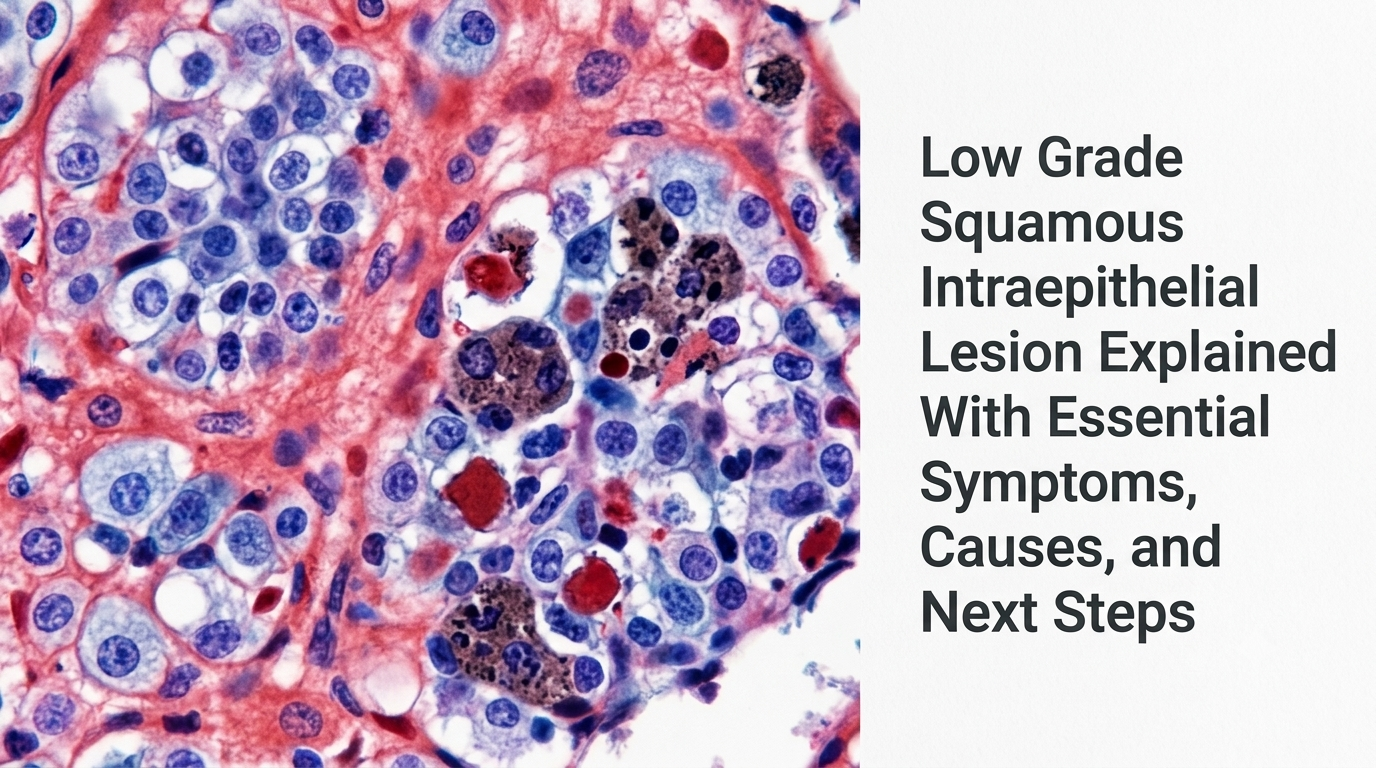
The news about an abnormal Pap test result is unpleasant for all women, but the situation becomes desperate when there is talk of low-grade squamous intraepithelial lesion (LSIL). However, it is necessary to refrain from panic since the given diagnosis is not entirely accurate. The abnormal Pap smear test result with low grade squamous intraepithelial lesion (LSIL) means that changes have occurred in the cells of the cervix, most often due to infection with human papillomavirus (HPV).
One of the most frequent of anomalous Pap smear results – is low grade squamous intraepithelial lesion – is a perfectly treatable diagnosis. Mostly this diagnosis ofLSIL occurs at a young age, because it caused due to the presence of sexual contact and suppression of immunity, but, despite how insignificant was the diagnosis and quick regression of these changes is worth visiting a specialist to identify the correct treatment regimen and observation. Low grade squamous intraepithelial lesion – evidence of infectious disease, which necessitates a woman to go to the doctor.
This condition occurs fairly often, does not carry serious consequences, because often the organism fights viruses on its own.
Nevertheless, not to heed Pap smear LSIL result is not advisable, since it could be a signal for the occurrence of another disease. Clear interpretation of the test will facilitate understanding of the situation and will bring considerable benefit in future treatment.
What Is a Low Grade Squamous Intraepithelial Lesion?
A low grade squamous intraepithelial lesion refers to mild abnormalities in the squamous cells that line the surface of the cervix. These changes are identified during cervical cancer screening, usually through a Pap smear.
What is LSIL? Also called low-grade cervical cell changes, LSIL refers to the mildest kind of changes in the cells before they become cancerous. Low-grade changes are generally caused by HPV, but these changes rarely lead to cervical cancer.
Healthcare providers classify cervical cell changes into different categories based on how abnormal the cells appear under a microscope. A low grade squamous intraepithelial lesion represents one of the least severe categories, but it still requires appropriate evaluation.
What Causes Low Grade Squamous Intraepithelial Lesion?
The most common cause of a low grade squamous intraepithelial lesion is infection with certain types of HPV. Learning more about human papillomavirus (HPV) can help you better understand these cervical cell changes..HPV, or Human papillomavirus, is very common and primarily spread via intimate skin to skin contact. At least half of all people that are sexually active contract HPV at some point in their lives.
Several factors may increase the likelihood of developing LSIL, including:
- Persistent HPV infection
- A weakened immune system
- Smoking
- Early exposure to HPV
- Multiple sexual partners
- Infrequent cervical cancer screening
It is important to remember that having LSIL does not necessarily indicate a recent HPV infection. The virus can remain inactive for years before causing detectable cellular changes.
Symptoms of Low Grade Squamous Intraepithelial Lesion
One reason low grade squamous intraepithelial lesion is commonly discovered during routine screening is that it usually causes no noticeable symptoms.
Most individuals with LSIL experience:
- No pain
- No unusual bleeding
- No abnormal discharge
- No physical discomfort
Because symptoms are generally absent, regular cervical screening remains the most effective way to detect these mild cellular changes before they progress.
How Is LSIL Diagnosed?
A low grade squamous intraepithelial lesion can be diagnosed by a pap smear test. Further diagnostic tests may be needed if abnormal cells are found, and the choice of the procedure depends on the patient’s age, HPV test results, and screening history.
The tests include:
- A repeat pap smear in the recommended interval
- HPV test to determine whether there is a high-risk HPV
- Colposcopy to evaluate the cervix
- A biopsy of the cervix, if needed
The management of a patient with a low-grade squamous intraepithelial lesion depends on the individual case and should be discussed with a healthcare provider in accordance with current clinical guidelines.
Why Follow-Up Is Important
Although many cases of low grade squamous intraepithelial lesion resolve naturally, regular follow-up remains essential. Monitoring allows healthcare providers to confirm that the abnormal cells disappear or remain stable rather than progressing to more significant cervical changes.
Of all of the LSIL cases 95 per cent never will go on to develop cancer as long as the patient attends recommended cervical follow-up checks and undergoes routine cervical cancer screening, giving opportunity for changes to be noted much earlier than they become critical in ensuring overall lifelong cervical health
Can a Low Grade Squamous Intraepithelial Lesion Go Away on Its Own?
One of the most common questions after receiving this diagnosis is whether a low grade squamous intraepithelial lesion can disappear without treatment. The answer is often yes in many cases.
Majority of LSIL are due to short-term exposure to HPV and the body’s immune system can eventually get rid of the virus. Following the clearance of virus the abnormal cells can revert back to normal on their own without any treatment; particularly in young individuals with robust immunity. This is not true in all individuals and sometimes the cells can persist abnormal or further change to high-grade cell changes; hence close follow up is recommended rather than letting it go away on its own.
Treatment and Management Options
A diagnosis of low grade squamous intraepithelial lesion does not always require immediate treatment. Instead, management depends on several factors, including age, HPV test results, previous screening history, and findings from any additional examinations.
Possible management approaches include:
- Repeat Pap smear at the recommended interval.
- HPV testing to monitor viral persistence.
- Your healthcare provider may recommend a colposcopy to perform a detailed evaluation of the cervix.
- Cervical biopsy if abnormal areas require closer evaluation.
- Continued observation when the lesion is expected to resolve naturally.
If follow-up tests show development to a higher grade of abnormalities you might need further treatment. Your doctor will plan the best management for you in accordance with the guidelines for cervical screening currently in use.
Can LSIL Be Prevented?
Although not every case can be prevented, several healthy habits may lower the risk of developing a low grade squamous intraepithelial lesion.
These preventive measures include:
- Receiving the HPV vaccine when appropriate.
- Attending routine cervical cancer screenings.
- Avoiding tobacco use.
- Practicing safer sexual behaviors.
- Supporting overall immune health through a balanced lifestyle.
Regular screening remains one of the most effective ways to detect cervical cell changes early, even before symptoms develop through regular women’s health screenings.
Low Grade Squamous Intraepithelial Lesion at a Glance
| Feature | Information |
| Condition | Mild abnormal cervical cell changes |
| Most Common Cause | Human papillomavirus (HPV) infection |
| Cancer? | No, LSIL is not cervical cancer |
| Symptoms | Usually none |
| Diagnosis | Pap smear, HPV testing, colposcopy if needed |
| Treatment | Often monitoring rather than immediate treatment |
| Prognosis | Frequently resolves naturally with appropriate follow-up |
Conclusion
Finding out you have a low-grade squamous intraepithelial lesion can be concerning. However, a LSIL diagnosis means that there are only minimal alterations of your cervical cells. Often times, low-grade squamous intraepithelial lesion (LSIL) is not cancer and the changes can revert back to normal once your immune system kills HPV.
The most important thing to do is to attend the screening tests you were advised to have done.
Keeping yourself aware of your body’s development helps to ensure you can address concerning changes when they happen. The truth is that, in many cases, low-grade squamous intraepithelial lesion is not cancer, and is manageable with timely detection.
Frequently Asked Questions
1. Is a low grade squamous intraepithelial lesion cancer?
No. Low-grade squamous intraepithelial lesion (LSIL) is an early abnormality and not cancer.
2. Does it mean that I have HPV?
You’re most likely to have HPV, but you’ll likely need another test to find out if the HPV infection is high-risk or not.
Can It Resolve Without Treatment?
Yes it can… lots of women experience them from time to time and the these go away themselves..
4. Do I need treatment for LSIL?
Usually not. Typically LSIL in a woman doesn’t need treatment, rather a regular testing regime with close observation is recommended..
5. How often do I have to come for a check-up?
This depends on your age and status and also results of the test so it is better that you discuss this issue with your doctor.
6. Can it cause infertility?
LSIL when treated is not a bigger threat to your health than any other common mild infection is. Though it does all depend upon the overall status of your health.
7. How Can I Reduce the Risk of It Happening Again?
If there’s an opportunity, it would be best to go get the HPV shot. Also remember to get regular tests and checkups. Stay healthy, avoid smoking and reduce your stress.