A small cooking-oil splash can turn an otherwise clean shirt into a stubborn laundry problem. Learning how to get grease out of clothing is easier when you understand why grease behaves differently from water-based stains. Grease is oily and does not simply rinse away with water, so the goal is to loosen the oil from the fabric and transfer it into a cleaning solution that can be washed away.
When learning how to get grease out of clothing, the most important factors are speed, pretreatment, the right detergent, and controlled heat. The American Cleaning Institute advocates grease stain removal by pretreating a grease and oil-stain with a pre-wash stain remover or liquid laundry detergent and then wash with hottest water appropriate for the garment.
It cautions to check before putting clothing into the dryer. What works, Why, how to handle when grease stain has dried out, as well as Common mistakes will be explained.
Why Grease Is So Difficult to Remove
The main components of grease are oily materials that aren’t soluble with water. That’s why grease stains can leave behind what looks like a slightly faded or dark streak of oil in the wash when a grease-covered top just goes through the machine, rather than the stains disappear entirely with a simple rinse. Laundry detergent aids this by employing cleaning components that bind with the oily soil, dispersing it into the wash water and carrying it away. The physical rubbing of clothes together, a water temperature suitable for the fabric and the movement in the washing machine work with these components.
Think of the process as moving grease through several stages:
fabric → loosened grease → detergent suspension → wash water → clean fabric
If you skip the pretreatment stage, the washing machine may not have enough time or cleaning power to remove a concentrated grease spot completely.
The First Rule: Treat Grease Before Drying the Clothing
The Earlier You Work on the Grease The faster you tend to a grease stain, the easier it will generally be to get the stain removed. When grease is still fresh, it has had less chance to seep into the fabric fibers and become more stubborn. According to the American Cleaning Institute, stain removal is best when done as soon as possible and the organization specifically caution against running a stained garment through the dryer.
If grease had just hit the spot you notice it, you may not be tempted to throw it in the wash and then put it in the dryer, but don’t do it even once it is wet.
Look at the fabric still wet in the wash – if you can still see the stain, give it one more treatment before heading the drying unit. The heat from the dryer alone isn’t a guaranteed way to take out a grease stain, and after it has baked in the sun, it becomes much harder to remove.
How to Get Grease Out of Clothing Step by Step
Step 1: Check the Clothing Care Label
Before applying anything to the stain, identify the fabric and read its clothing care instructions.
This is especially important when dealing with:
- Wool
- Silk
- Rayon
- Acetate
- Delicate blends
- Garments labeled dry clean only
You can hardly hurt a machine- washable cotton T-shirt but are not inclined to use these approaches on something delicate like silk.
The care label offers advice on wash temperatures, drying methods, bleaching options, and special care instructions. Don’t take it on yourself to experiment with powerful treatments around the house when the label says professional dry cleaning is recommended.
If you’re dealing with regular, washable laundry, you can proceed to the next step.
Step 2: Remove Excess Grease Without Spreading It
If there is a noticeable amount of grease sitting on the surface, gently lift away the excess with a spoon, dull edge, or clean absorbent material.
Do not aggressively rub the spot.
When learning how to get grease out of clothing, avoid rubbing the stain because it can push oily material farther into the fibers or spread it into a larger area. The American Cleaning Institute similarly recommends blotting rather than rubbing stains because excessive rubbing can spread the stain and damage fabric.
The objective at this stage is simple: remove what you can from the surface before working on what has entered the fabric.
Step 3: Apply Liquid Laundry Detergent or a Suitable Prewash Stain Remover
For a typical washable garment, apply a liquid laundry detergent or a prewash stain remover directly to the grease.
When learning how to get grease out of clothing, liquid laundry detergents are particularly useful for pretreating oily and greasy soils.The American Cleaning Institute includes liquid detergents, as well as pre-wash stain removers among the treatments for oil-based stains.
Work the product into the stained area rather than scrubbing hard.
Let the treatment remain on the stain for as long as specified on the product directions, enabling the cleaning chemicals to begin their work on the grease before the article hits the washing machine.
What About Dish Soap?
Just as dish soap can sometimes be employed as a grease-fighting pre-treatment, a tiny quantity is occasionally dabbed onto clothing with greasy stains. According to the American Cleaning Institute, for certain oil and grease stains, it is possible to apply a small amount of dish soap in a few spots prior to washing the garment. Otherwise, however, dish soap is formulated for the relatively smooth-brushed and smooth-surfaced needs of dishes, not for the inside of an automatic clothes washer.
Under no circumstances should you ever add dish soap to your washing machine or fill your washing machine’s designated detergent compartment with it when it runs out of laundry soap.
If you want to be sure you’re caring for your favorite shirts as well as you care for your favorite plates and cups, just use fabric soap.
Step 4: Give the Pretreatment Time to Work
One of the simplest errors to commit is tossing the treated item into the wash without letting the product soak in. Pre- treatments require dwell time for them to break down the stain. How long this is the case varied by product, however, therefore read the item’s directions.
When dab treated utilizing dish soap, rub the soap into a smear and enable to sit briefly.
For tough stains, it’s more helpful to re–apply and work it in, rather than to utilize a deluge.
Step 5: Wash Using the Warmest Safe Water
Once the stain has been pretreated, wash the garment according to its care label.
For grease and oil stains, the American Cleaning Institute recommends using the hottest water that is safe for the fabric.
This distinction matters.
You should not automatically choose the hottest possible washing temperature. A high temperature that is inappropriate for the garment can cause shrinking, fading, or fabric damage.
Instead, think of temperature as one part of the cleaning process:
appropriate heat + detergent + washing action = better grease removal
Always let the garment’s care instructions determine the upper temperature limit.
Step 6: Inspect the Garment Before Drying
This step is essential and often skipped. Skipping this step could mean the difference between a slight nuisance during laundry and a stain that just won’t budge.
After the wash, examine theoriginal grease stain in bright light.
If a dark, semi-opaque, or greasy-looking area is still present, DO NOT put the garment in the dryer.
TheAmerican Cleaning Institutestates to ensure the stain is removed completely before drying and to re-treat if the stain is not completely removed.
Otherwise,repeat the pretreat and wash.
For an older, saturating grease stain, you may require more than one pretreatment and wash cycle.
Step 7: Repeat for Stubborn Grease
A persistent grease stain does not necessarily mean the garment is ruined.
When learning how to get grease out of clothing, stubborn stains may require a concentrated heavy-duty cleaner that is labeled for grease stains. Massage gently into the stain and then wash as the garment’s instructions direct. A similar method may even be effective against tricky bicycle grease, according to the American Cleaning Institute: Don’t go straight for the harsh chemicals A careful second attempt may be more effective than subjecting the entire garment to a potent solvent or bleach before finding out the fabric’s tolerance limits.
Step 8: Dry the Garment Only After the Stain Is Gone
Once the stain has disappeared, dry the garment according to its care label.
Some fabrics should be tumble dried, while others should be air dried or laid flat.
If you are uncertain whether the grease has completely disappeared, air drying is a safer choice than immediately applying dryer heat. That gives you another opportunity to inspect the fabric before exposing the stain to heat.
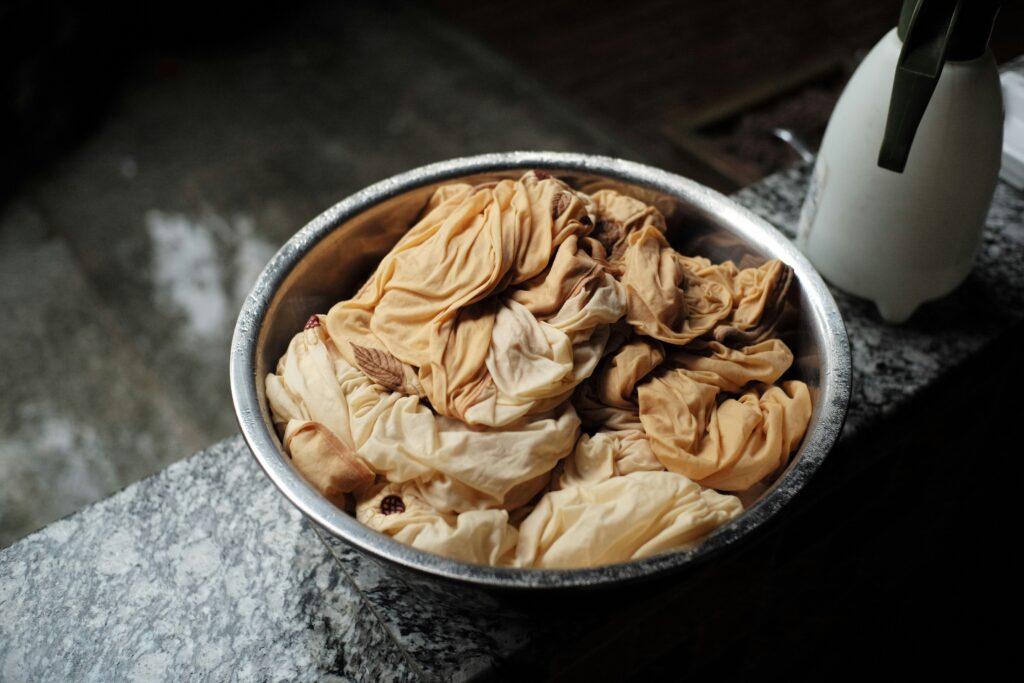
How to Remove Dried Grease From Clothes
Dried grease can be more challenging because the oily material has had more time to remain in the fibers.
That does not mean you should give up after one wash.
When learning how to get grease out of clothing, start by applying a suitable liquid laundry detergent or prewash stain remover to the affected area. Let the treatment sit, then wash in the hottest water you dare for the particular article. If the stain still hasn’t disappeared, repeat the treatment instead of drying the clothes. According to the American Cleaning Institute, the stain can sometimes still come out with soaking or pretreatment, but the older the stain, the harder it generally is to remove.
A product specifically designated for grease stains may be called for when they’re extremely persistent.
Remember to always test any product in an hidden location when prompted by the maker – especially if colors or delicates are involved.
How to Get Cooking Grease Out of Different Fabrics
Cotton
Cotton clothing is generally forgiving and can often be pretreated with liquid laundry detergent or a suitable stain remover before normal laundering.
Use the warmest water permitted by the care label rather than assuming that cotton always requires hot water.
Polyester
Polyester binds grease. Pretreatment is handy Pol Polyester can retain greasy dirt, the American Cleaning Institute. Prewash stain removers are considered to be effective on greasy stains and suitable for polyester textiles. Always take a look at the laundry symbol, because, like almost all synthetic fabrics, polyester must also meet certain temperature and drying criteria in the wash.
Denim
Grease on jeans can usually be approached like other washable fabrics: remove excess material, pretreat, wash according to the care label, and inspect before drying.
Avoid unnecessary high heat if the garment’s care instructions do not permit it.
Delicate Fabrics
Silk, rayon, wool, and even some light synthetic materials need special treatment. Check the garment’s care label. If it says dry cleaning, by all means, do so; remedies that are generally safe on a cotton tee can permanently change the color, feel or structure of the garment’s material. For a valuable or deeply loved article of clothing, pay for cleaning and skip the trial-and-error method with store-bought remedies.
What Not to Do When Removing Grease
Don’t immediately put the garment in the dryer
This is one of the most important rules. Always confirm that the stain is gone first.
Don’t use excessive detergent
More detergent does not automatically mean better cleaning.The American Cleaning Institute recommends following detergent-label instructions because both too much and too little detergent can contribute to poor cleaning results.
Don’t aggressively scrub delicate fabric
Hard scrubbing can damage the fibers or spread the stain.
Don’t assume every fabric can tolerate hot water
Use the hottest temperature that the garment can safely withstand, not simply the hottest setting on the machine.
Don’t mix cleaning chemicals casually
Avoid combining household cleaning products unless their labels specifically indicate that they can be used together. Some combinations can create hazardous chemical reactions.
Why Baking Soda Isn’t Always the Best First Choice
We are all told many household cleaning tips using baking soda in many Internet posts. But you don’t want to jump to the baking soda immediately for an oily patch. Many laundry experts suggest the use of liquid laundry detergents or prewash stain removers, then wash in the hottest water safe for the fabric on oily clothing spots.
It is not to say that there’s anything we can’t add to our load for cleaning – there are many beneficial things you can, you simply choose the proper stain remover rather than a household agent used to address stains.
This requires some type of cleaning that comes directly with the grease.
What If the Grease Stain Has Already Been Washed?
Don’t panic.
First, let the garment remain out of the dryer. Apply a liquid laundry detergent or suitable prewash stain remover, allow it to work according to product directions, and wash again using the warmest fabric-safe setting.
If the stain persists, repeat the process.
Older stains can be more difficult, but the American Cleaning Institute notes that old stains may still respond to pretreatment or soaking.
If several attempts fail, particularly with delicate or valuable clothing, a professional cleaner may be the safest next step.
A Practical Grease-Stain Strategy
If you need a simple routine to remember, use this sequence:
Identify → Lift excess → Pretreat → Wait → Wash → Inspect → Repeat → Dry
The advantage of this approach is that every step has a purpose.
Since the fabric determines the amount of damage that could potentially occur, it identifies the type of material. Less grease makes a smaller task of how much the detergent needs to get into the weave and dissolve. Pretreatment focuses specifically on the oil.
Proper water temperature and detergent now wash away the released grease.
Washing again after treatment is not recommended to avoid setting your partial cleanup to a whole new level.
Conclusion
Learning how to get grease out of clothing becomes much easier when you stop treating grease like an ordinary water-based stain. The most reliable approach is to remove excess grease, pretreat the area with liquid laundry detergent or an appropriate prewash stain remover, allow the treatment to work, and wash using the hottest water that the fabric safely allows.
Most importantly-and this cannot be stressed enough- examine the garment after the first wash but BEFORE putting it in the dryer. If you can still see the grease stain, treat it again and wash it a second time rather than applying heat. Stains in fresh grease have a much better chance of coming out than old ones, although sometimes several pretreatments and a good laundering cycle can make a difference even to old stains. If the article of clothing is particularly delicate, valuable, or dry-clean only, refer to the care instructions or an experienced professional cleaner.
Frequently Asked Questions
1. What is the fastest way to get grease out of clothing?
For a washable garment, remove any excess grease, pretreat the spot with liquid laundry detergent or a suitable prewash stain remover, and wash using the warmest temperature safe for the fabric. Check the stain before drying.
2. Can dish soap remove grease from clothes?
A small amount of dish soap can sometimes be used as a spot treatment for an oily stain on clothes. However, dish soap is not intended to replace laundry detergent in a washing machine. The American Cleaning Institute identifies it as an option for some individual grease spots before laundering.
3. Can you remove grease from clothes after they have been dried?
It can be more difficult, but it may still be possible.Pretreat the stain with liquid laundry detergent or a suitable stain remover, wash again using a fabric-safe temperature, and repeat if necessary. Avoid additional dryer heat until the stain is gone.
4. Should I use hot water on a grease stain?
Use the hottest water that is safe for the particular garment. Hotter is not automatically better if the fabric cannot tolerate it.
5. Why does a grease stain sometimes remain after washing?
Grease may require pretreatment because water alone does not readily remove oily soil. Insufficient detergent, unsuitable water temperature, or drying the garment before the stain is gone can also contribute to persistent greasy marks.
6. Can old grease stains still be removed?
Sometimes. Older stains are generally more difficult, but pretreatment, soaking when appropriate, and repeated laundering can still improve some stains.
7. What should I do if the grease is on a delicate or dry-clean-only garment?
Follow the garment’s care label rather than experimenting with household treatments. For valuable or delicate clothing, professional cleaning is often the safer option.