However it is when something has gotten into the shirt whether it be sauce, make up, grease, coffee or ink that becomes terribly and blatantly noticeable. Even so much as a drop of sweat against these brightly colored fabric backgrounds makes even more noticeable than anything.Knowing how to get stain out of white shirt properly can make the difference between removing the mark completely and accidentally setting it deeper into the fibers.
If you’re learning how to get stain out of white shirt, the good news is that many fresh stains can be treated successfully at home. This will never be about picking out the fieriest stain opener possible. It is about finding which stain is what, how to figure out your garment’s laundering recommendations, determining a best attack plan, and giving the concoction plenty of opportunity to do the magic. Here is how you go about the procedure process to see why. What kind of stains should be looked for, which sins must never occur when you attempt a stain removal method and in case you should probably simply send it to the professionals.
Why White Shirts Need a Different Stain-Removal Strategy
With white fabric, it may appear that you don’t need to worry so much, but for some reasons, white clothes can be just as high-maintenance, and in fact, can create several other issues!
When learning how to get stain out of white shirt, remember that chlorine bleach may whiten some washable fabrics, but it is not appropriate for every garment. Bleach could potentially destroy some fibers while some protein based stains can become set through heat or using the wrong type of chemical.
How will what the shirt is made out of also make a difference. Are we dealing with a cotton t-shirt, polyester dress shirt, a silk blouse or a shirt that has elastane in it? They will not have automatic identical treatments.
What is one of the first things that you should do? Check the label! It can tell you if a garment can be washed by machine, if bleaching is appropriate to use, whether it should be washed hot or cold and so much more.
The Basic Principle: Treat the Stain, Not Just the Shirt
Effective stain removal is easier when you understand what you are actually trying to accomplish.
When learning how to get stain out of white shirt, it helps to understand what a stain actually is. A stain is material that has become attached to or absorbed by the fibers of the fabric. Stains are not treated equal: oil based stain will be repellent against the water. But some other water based stain may reacts better for normal washing powder. The protein based stain such as the blood or some food component will have its different treatment needed.
Therefore, there is no one cleaning agent suitable for all stains.
One method to use:
Identify → remove excess → treat → rinse → wash → inspect → repeat if necessary.
This sequence prevents a common mistake: washing the shirt immediately without first treating a concentrated stain.
How to Get Stain Out of White Shirt Step by Step
1. Check the Care Label First
Before applying any cleaning product, check the manufacturer’s instructions.
Look for information about:
- Washing temperature
- Bleach compatibility
- Drying instructions
- Dry-clean-only requirements
- Special fabric-care warnings
This step is particularly important for delicate materials.
A cleaning method that works well on a cotton shirt may damage silk or another sensitive fabric.
2. Remove Excess Material
Wipe off any food, sauce, mud, etc. Which still sits on the surface of stain, preferably before it sets.
Use the side of a spoon or a dull knife for solid foods-do not scrub vigorously or you’ll drive material deeper into the fabric.
Dab a liquid spill with an absorbent cloth or paper towel; do not rub it.
Rubbing spreads the stain further out and works it deep down between the fibers.
3. Flush or Blot According to the Stain
Using cool/warm water may assist in removing water soluble residues from many washable fabrics so that it doesn’t bond irreversibly. Unfortunately this is not the case for some stains and flushing water through the back of the fabric where possible can assist in moving the stain out as opposed to further in. Other stains such as greasy stains may require an appropriate detergent/pre-treatment to be added initially.
4. Apply a Suitable Stain Remover
Use an article specific stain remover; or apply a few drops of relevant laundry detergent onto the stained article.
Apply it gently, rather than hard scrubbing.
Leave the solution on the article for the recommended period of time listed on the product bottle – it will not necessarily help applying a more product, and you will not help by leaving it on for excessively long a period.
If this is your first use of any of the suggested products, it would be wise to try a drop of it on an unseen section of the article before trying on the stain.
5. Wash According to the Garment Label
Once you have pre-treated the stain, machine wash the shirt according to care tag instructions.
Utilize the hottest water temperature safe for the material-safe enough to prevent additional damage but hot enough to aid the detergent in rinsing away any released residues. The premise is to give the detergent an opportunity to do what it is designed to do-dissolve and carry away the residue without punishing the fabric and shirt material with a hot setting if one is not really required.
6. Inspect Before Drying
This is one of the most important steps.
After washing, check the stained area before putting the shirt in the dryer.
If you can still see the stain, treat it again rather than immediately drying the garment.
High heat can make some stains more difficult to remove, particularly if the stain has not yet been completely eliminated.
How to Remove Common Stains From a White Shirt
Different stains require different approaches. Understanding the type of stain helps you choose the appropriate treatment instead of experimenting with multiple harsh products.
Food and Sauce Stains
Food Stains typically contain water, oils, dyes, proteins, and more. First use a dull edge to scrape off any excess solids and blot up excess liquids. Next apply a little of your liquid laundry detergent or a fabric appropriate stain remover.
For example for a tomato based stain avoid placing it in the dryer initially.
Pre treat then rinse or launder with the garments instructions and examine before drying. Some food stains may need more than one treatment.
Grease and Oil Stains
Grease stains can be particularly stubborn, which is why knowing how to remove grease stains from clothes can make treatment easier.
When learning how to get stain out of white shirt, a liquid laundry detergent designed for grease removal can help break down oily residue. Apply it to the affected area according to the product directions, allow the recommended contact time, and then launder the shirt.
Avoid putting an oily shirt directly into a hot dryer before checking the stain. Heat can make removal more difficult.
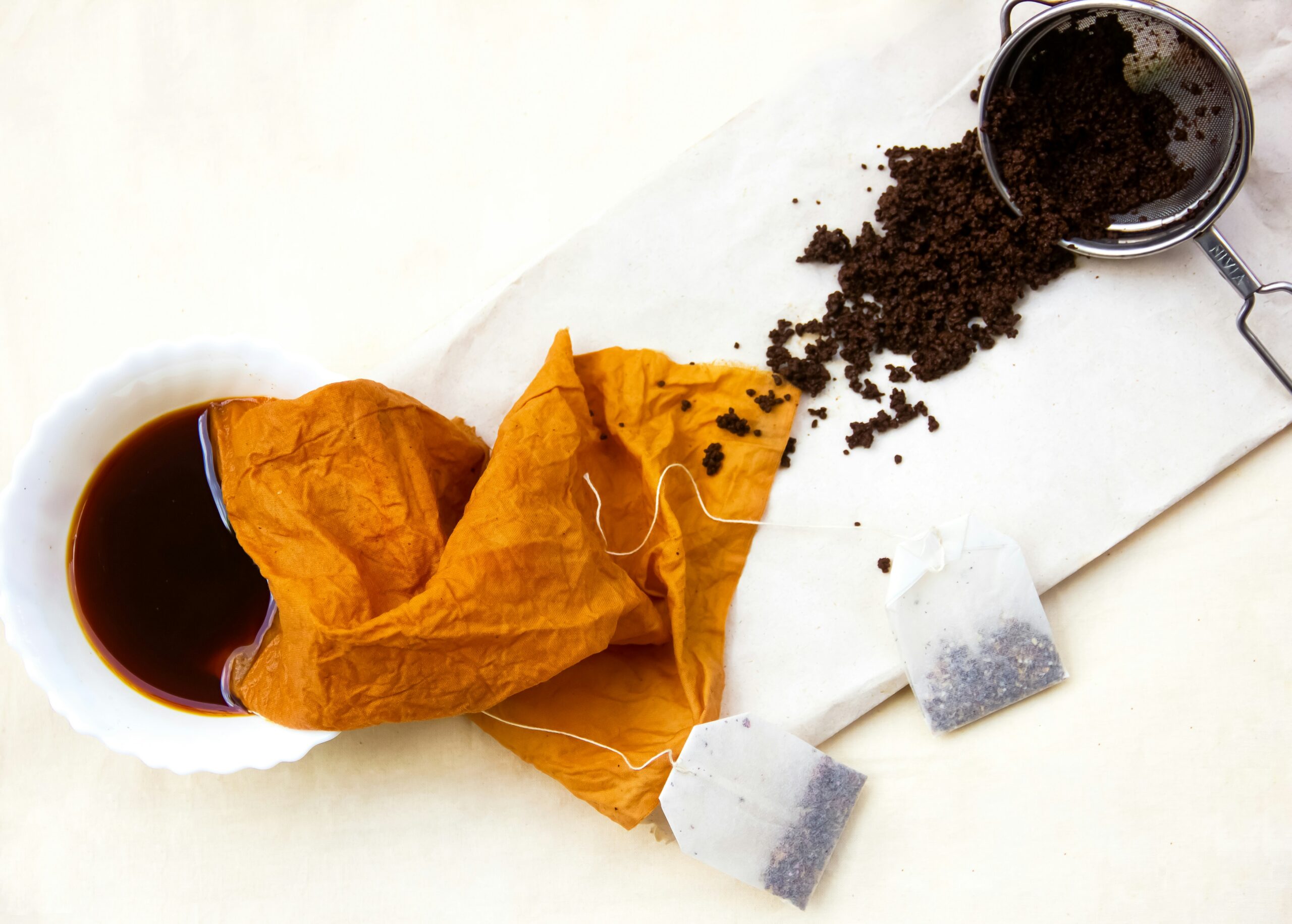
Coffee and Tea Stains
Coffee and tea can leave noticeable brown or tan marks on white fabric.
Blot fresh liquid first rather than rubbing it. Then rinse or pretreat the stain according to the fabric-care instructions.
A liquid laundry detergent or suitable commercial stain remover may help loosen the remaining discoloration.
Older stains may require more than one treatment cycle.
Sweat and Yellow Underarm Stains
Stains around the collar and underarms of a white shirt are inevitable.
These can be caused by sweat and body oils combined with antiperspirant and build-up from laundering.
Laundry pretreatment product for laundry stains will break down any build-up that has accumulated on the garment. Follow the laundry pretreatment product directions, andlaunder based upon the garments care label.
Don’t assume chlorine bleach will take care of any stain or discoloration. It can actually set and intensify it along with damaged fabric fibers.

Ink Stains
Ink presents a more difficult stain problem, because it consists of many different components depending on the ink you use.
Don’t grab the first household cleaner you see at scrub the stain.
Look for garment care instructions or a specialized stain treatment that matches the type of ink and the fabric.
Since some solvents can affect synthetic fibers, finishes, or materials, always test an inconspicuous area first.
It may be worth dry cleaning expensive white shirts and delicate ones, rather than taking risks at home.
Makeup Stains
Foundation, concealer, lipstick, and other cosmetics can contain oils, pigments, waxes, and emollients.
Remove excess makeup carefully without spreading it. Then use a suitable laundry detergent or stain remover that can address the residue without damaging the fabric.
Avoid rubbing the stain outward because cosmetic pigments can create a larger visible area.
Blood Stains
Blood is a protein-based stain, so understanding how to remove blood stains from clothing requires particular caution.
For washable garments, cold water is generally preferred for fresh blood stains. Rinse or blot carefully, then use a suitable laundry detergent or stain treatment.
Do not begin by pouring hot water over a fresh blood stain. Heat can make protein-based residues more difficult to remove.
For dried blood, additional pretreatment may be necessary.
What About Bleach?
Using bleach in the laundry might be an option sometimes, but white shirt does not necessarily mean it is safe to bleach. If chlorine bleach can be used or not depends on the care label. Also chlorine bleach and oxygen bleach products are not the same, and they may and may not be suitable to a garment.
And do not mix bleach with ammonia, acid, vinegar or anything like it!
It can produce extremely harmful fumes and chemical reactions. If you will use a bleaching product, follow manufacturer’s recommendations closely on such issues like how much product to use and when to take it off etc.
Can Baking Soda Remove Stains From White Shirts?
Household stain remover use baking soda, though you shouldn’t use baking soda for every stain and can’t expect it to be like laundry pre-treatment. It works well on some of your washing and with laundry procedures, but the effectiveness varies upon your stain or fabric. When treating a hard-to-remove stain, your home remedy of baking soda may not prove as reliable as the laundry stain remover that has been specially created for such a problem. Basically, it’s not because something is trending on the web, it’s doesn’t mean it is suited best for every fabric.
Can Vinegar Be Used on a White Shirt?
Vinegar is another common home-cleaning suggestion.
However, it should not be mixed with chlorine bleach. Combining bleach with acids such as vinegar can produce hazardous chlorine-containing gases.
If vinegar is used for a particular laundry purpose, use it separately and according to safe laundry practices. Do not assume that increasing the amount will improve stain removal.
For a visible stain, a product specifically designed for clothing may provide more reliable results.
Why Some Stains Keep Coming Back
Sometimes a shirt appears clean after washing but develops a yellow, gray, or greasy-looking mark again after drying.
This can happen when residue remains within the fabric.
For example, an oily substance may not be completely removed during the first wash. Once the garment dries, the remaining material becomes noticeable again.
Repeatedly washing without pretreating the affected area may not solve the underlying problem.
Instead, inspect the stain, identify its likely composition, pretreat it appropriately, and wash again.
Common Mistakes That Can Make a Stain Worse
Scrubbing Too Hard
Aggressive scrubbing can spread the stain and damage fabric fibers.
Gentle blotting and controlled treatment are usually safer.
Using Hot Water Automatically
Hot water is not universally better for stain removal. Certain stains, particularly protein-based stains, can become more difficult to remove when exposed to heat.
Drying Before Checking the Stain
A dryer can make some remaining stains harder to remove.
Always inspect the shirt after washing and before drying.
Mixing Cleaning Chemicals
Combining household cleaners can be dangerous.
Especially avoid mixing chlorine bleach with ammonia, acids, vinegar, or other incompatible products.
Using Too Much Detergent
More detergent does not necessarily mean cleaner clothing. Excess detergent can leave residue and may make rinsing less effective.
Ignoring the Fabric
The same stain-removal method should not be applied blindly to cotton, wool, silk, rayon, polyester, and blended fabrics.
The garment label is an important part of the cleaning process.
How to Remove an Old Stain From a White Shirt
Old stains are usually more difficult because the residue has had more time to interact with the fibers.
Start by identifying the stain if possible.
Then use a fabric-compatible pretreatment and allow it to work according to the manufacturer’s directions. Wash the garment and inspect it before drying.
If the stain remains, repeat the process rather than immediately escalating to stronger chemicals.
For valuable garments, delicate fabrics, or stains that have survived multiple treatments, professional cleaning may be the safest option.
A Simple Decision Guide
| Stain Type | First Approach | Important Caution |
| Food | Remove solids, pretreat, wash | Avoid rubbing aggressively |
| Grease | Use suitable laundry detergent or degreasing stain treatment | Check before drying |
| Coffee | Blot, rinse/pretreat, wash | Do not heat-dry prematurely |
| Sweat | Use laundry pretreatment | Do not assume bleach is necessary |
| Blood | Cold-water treatment and suitable detergent | Avoid hot water initially |
| Ink | Use fabric-appropriate ink treatment | Test solvents first |
| Makeup | Remove excess, pretreat gently | Avoid spreading pigments |
| Unknown stain | Identify before treating | Do not mix random chemicals |
When Should You Stop Treating the Shirt Yourself?
Home stain removal is reasonable for many ordinary washable shirts, but there are situations where professional cleaning makes more sense.
Consider professional help when the garment is:
- Made from a delicate fabric
- Expensive or sentimental
- Marked “dry clean only”
- Damaged by a previous cleaning attempt
- Covered by a large or deeply set stain
- Affected by an unknown chemical
A professional cleaner can evaluate both the stain and the fabric before selecting a treatment.
This is especially important when the alternative is repeatedly exposing an expensive garment to increasingly aggressive household chemicals.
How to Prevent Future Stains
Preventing stains in the first place goes a long way, especially when following laundry stain removal tips. Always treat spills as soon as you can instead of waiting until the clothes are forgotten hours later. You may want to buy inexpensive fabric stain remover and never wash clothes that you know are spotted by tossing them in the dryer.
It’s a smart habit also to wash your white laundry properly according to the fabric’s instructions and never throw every white item into the washing as though it is clothing of same material.
You’ll be grateful for it particularly if you’re washing white blouses a lot and be able to notice collar and under arm accumulation before it becomes impossible discoloration.
Conclusion
Learning how to get stain out of white shirt becomes much easier when you stop treating every mark the same way. The best is of course, to identify stain, remove foreign matter, apply a fabric-safe cleaning solution, follow care label on shirt and check it before putting in to dryer. Fresh stains are the easier the older stain or deeply set stains will likely require more treatment, or be best for professional clean. Biggest blunder is perhaps not that of the stain, but of the treatment.
Scrubbing the living day lights out, too much heat, too much solution, too harsh a combination that will ruin otherwise washable shirts.
Use reasonable, considered stain-removal care to help a shirt have a second chance on a clean life:

Frequently Asked Questions
1. What is the fastest way to remove a stain from a white shirt?
The fastest approach depends on the type of stain, but acting quickly is generally helpful. Remove excess material, blot rather than rub, pretreat with an appropriate laundry product, and wash according to the care label. Check the stain before putting the shirt in a dryer.
2. Can I use hydrogen peroxide on a white shirt?
Hydrogen peroxide can be used in some laundry stain-treatment situations, but it is not appropriate for every fabric or garment. Follow the product instructions and test an inconspicuous area first. Never mix it indiscriminately with other cleaning chemicals.
3. How do I remove a stain that has already been washed?
Do not automatically assume the shirt is ruined. Treat the affected area with a suitable stain remover, allow the recommended contact time, and wash again. Avoid drying it with high heat until you are satisfied that the stain is gone.
4. Why did my white shirt turn yellow after using bleach?
Several factors can contribute to yellowing, including the type of fabric, the stain itself, incorrect bleach concentration, or chemical reactions with residues. If yellowing occurs, stop using additional bleach until you determine whether the garment is bleach-safe.
5. Should I use hot or cold water for stains?
There is no single temperature that works best for every stain. Cold water is often preferred for fresh protein-based stains such as blood, while other stains may respond differently. Always consider both the stain type and the garment-care label.
6. Can toothpaste remove stains from white clothing?
Although toothpaste is sometimes suggested as a household stain remedy, it is not a reliable universal clothing cleaner. Some formulations contain ingredients that may leave residue or affect fabric. A laundry product designed for the specific stain is generally a more controlled option.
7. When should I take a stained white shirt to a professional cleaner?
Dry-cleaning could be the safest route with more fragile, more expensive, more emotionally meaningful, or dry-clean only items, and those stains which you have tried very hard to remove yourself without success. It also may stop you from doing more damage than has already been sustained.