Heading into a social evening without a clear strategy often leads to predictable regrets: erratic energy levels, unexpected digestive discomfort, or an overwhelming hangover the next morning. When people ask what is the best alcohol for a night out, they are rarely looking for a simple list of popular drinks. What they truly need is a framework to match their beverage choices with their physical tolerance, the event setting, and their personal health goals.
Choosing a drink is a balancing act between alcohol by volume (ABV), sugar content, congeners, hydration levels, and social pacing, while understanding the health effects of alcohol can help put those choices into perspective.. A drink that suits a sit-down dinner might ruin an all-night dancing event. Conversely, a drink built for steady pacing might feel out of place at a formal cocktail lounge.
This decision-support guide breaks down how different alcoholic beverages affect your body, compares popular options across distinct nightlife scenarios, and provides actionable guidelines to keep your evening enjoyable from start to finish.
Factors That Influence How Drinks Affect Your Evening
To determine what is the best alcohol for a night out in your specific situation, you must first understand the biological and environmental variables that dictate how your body processes different beverages.
+—————————————————————————————+
| Key Factors Influencing Beverage Performance |
+————————–+————————————————————+
| Factor | Physiological & Practical Impact |
+————————–+————————————————————+
| Congener Density | High-congener drinks (dark spirits, red wine) increase |
| | hangover severity compared to clear spirits. |
+————————–+————————————————————+
| Sugar & Carbonation | Simple sugars cause rapid blood glucose spikes and crashes;|
| | carbonation accelerates alcohol absorption rates. |
+————————–+————————————————————+
| Volume & Servings | Low-ABV beverages (beer, hard seltzer) make pacing easier |
| | over extended hours compared to concentrated shots. |
+————————–+————————————————————+
Congeners and Processing Overhead
Congeners are natural byproducts of fermentation and aging, including acetone, acetaldehyde, and tannins. Darker liquors—such as bourbon, brandy, and dark rum—along with full-bodied red wines contain significantly higher congener concentrations than clear spirits. Your liver prioritizes metabolizing alcohol (ethanol) first, leaving congeners to linger in your system. This buildup directly correlates with increased headaches, nausea, and cognitive sluggishness the following morning.
Sugar Content and Energy Spikes
Syrup-heavy cocktails and sweet fruit mixers create rapid spikes in blood glucose. When combined with alcohol, which suppresses hepatic glucose release, your body experiences a sharp insulin response followed by a sudden crash. This slump is often mistaken for alcohol-induced fatigue, prompting people to order another sugary drink or energy mixer, compounding the problem.
Carbonation and Absorption Speed
Carbon dioxide gas increases pressure inside the stomach, forcing the pyloric valve to open sooner and releasing alcohol into the small intestine where absorption occurs most rapidly. Consequently, carbonated mixers, champagne, and high-ABV sparkling canned cocktails reach your bloodstream faster than non-carbonated alternatives.
Evaluating Beverage Categories for Nightlife
There is no universal option when determining what is the best alcohol for a night out. Instead, each beverage category offers specific trade-offs regarding energy management, hangover risk, and pacing control.
┌──────────────────────────────────────────────────┐
│ Select Your Nightlife Objective │
└────────────────────────┬─────────────────────────┘
│
┌──────────────────────────┼──────────────────────────┐
▼ ▼ ▼
┌──────────────────────────┐┌──────────────────────────┐┌──────────────────────────┐
│ Clear Spirits + Still ││ Low-ABV Beer or Seltzers ││ Dry Wine or Aperitifs │
│ Hydrating Mixers ││ ││ │
├──────────────────────────┤├──────────────────────────┤├──────────────────────────┤
│ – Lowest congener load ││ – Best pacing control ││ – Moderate pacing │
│ – Zero added sugar ││ – Slower total absorption││ – Higher sugar/tannins │
│ – Low hangover impact ││ – Higher bloating potential│ – Fits formal settings │
└──────────────────────────┘└──────────────────────────┘└──────────────────────────┘
1. Distilled Clear Spirits (Vodka, Gin, Silver Tequila)
For individuals prioritizing predictable metabolism and minimal morning-after consequences, distilled clear spirits are widely regarded as the top option.
- Advantages: Vodka and gin undergo extensive filtration, removing most organic byproducts. High-quality 100% agave silver (blanco) tequila also features a clean distillation profile. When paired with non-sugary mixers like club soda or ice with fresh lime, clear spirits present the lowest sugar and congener profile available.
- Limitations: Concentrated spirits require disciplined measurement. In crowded bars, free-poured drinks can easily double the intended alcohol intake.
2. Beer, Cider, and Canned Seltzers
Low-ABV brewed beverages provide natural structural limits, making them a common answer for people wondering what is the best alcohol for a night out when social durability is the main goal.
- Advantages: Standard lagers and hard seltzers typically fall between 4% and 5% ABV, meaning one standard serving takes longer to consume. This built-in delay prevents rapid spikes in blood alcohol concentration (BAC).
- Limitations: Beer contains unfermented carbohydrates and gluten, which can lead to bloating and digestive discomfort during high-energy events. Double IPAs and strong ciders often carry ABVs exceeding 7% to 9%, neutralizing the pacing benefits of beer.
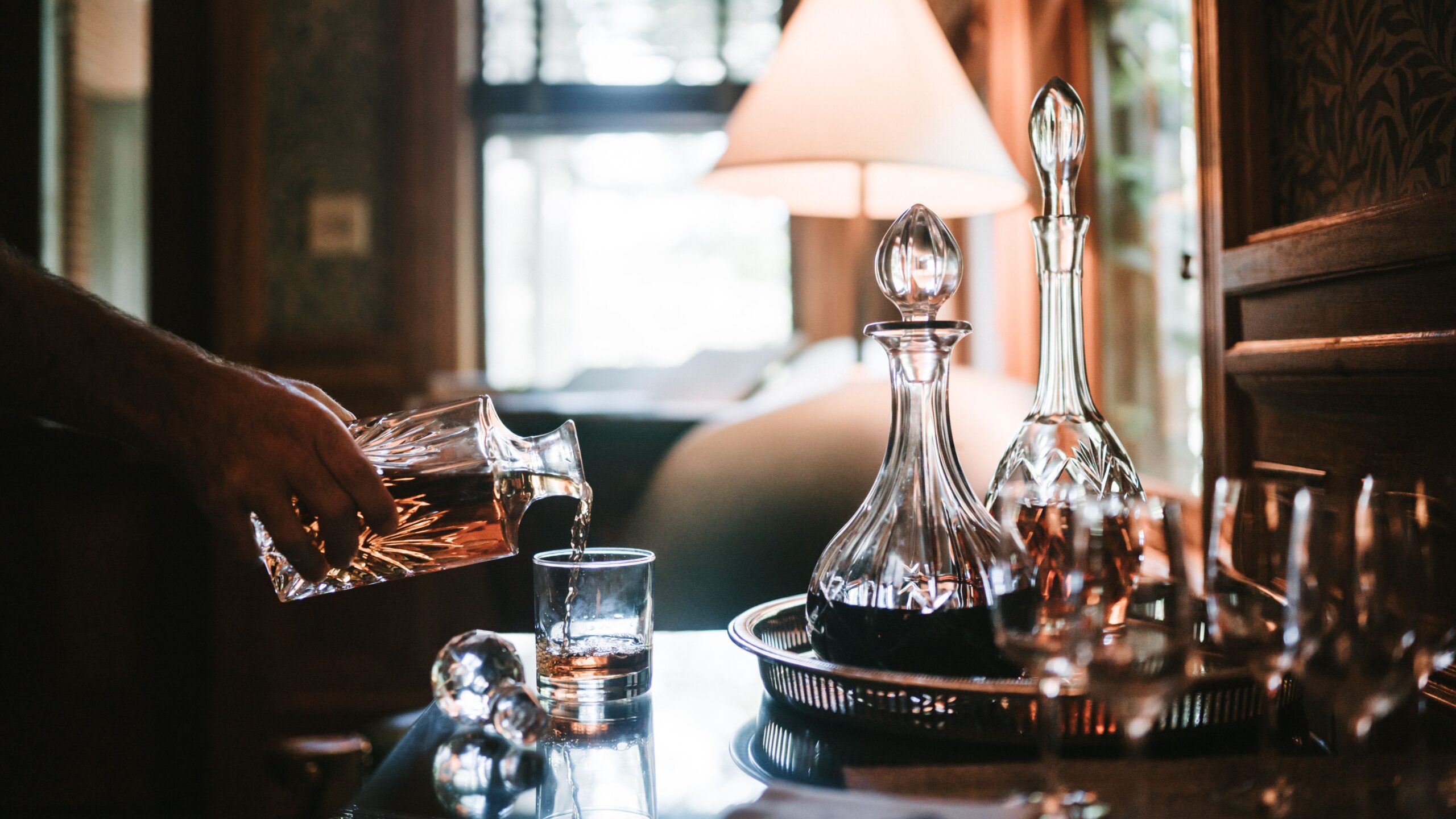
3. Dark Spirits (Whiskey, Bourbon, Aged Rum)
Aged spirits are prized for complex flavor profiles, but they introduce distinct physical challenges during prolonged social drinking.
- Advantages: Savoring a bourbon neat or on the rocks naturally slows consumption, encouraging mindful drinking during relaxed gatherings.
- Limitations: The barrel-aging process infuses these spirits with complex wood compounds and congeners. Consuming dark spirits in large quantities over a long night significantly increases the likelihood and severity of a hangover.
4. Wine and Champagne
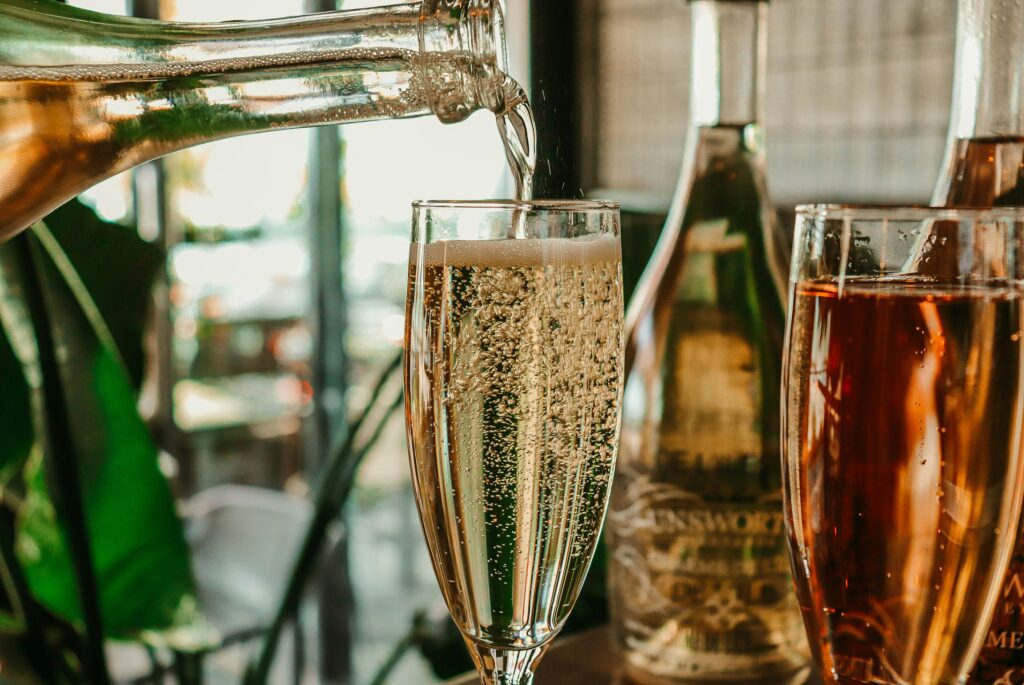
Wine occupies a middle ground, best suited for dinners and lounge environments rather than active clubbing.
- Advantages: Dry white wines (such as Sauvignon Blanc or Pinot Grigio) offer moderate ABVs (11–12.5%) with lower tannin levels than red varieties.
- Limitations: Champagne and sparkling wines absorb quickly due to carbonation. Meanwhile, high-tannin red wines can trigger histamines and headaches in sensitive individuals, making them a riskier choice for extended nights out.
Scenario-Based Guidance: Choosing the Right Option
The optimal choice shifts depending on the structure of your event. Match your selection to the environment using the guidelines below:
+—————————————————————————————+
| Contextual Beverage Selection Matrix |
+————————–+—————————-+——————————-+
| Environment | Recommended Category | Primary Objective |
+————————–+—————————-+——————————-+
| High-Energy Dancing / | Vodka or Gin + Club Soda | Maximizing hydration, minimizing|
| Late-Night Clubs | with Citrus | sugar and congener overload. |
+————————–+—————————-+——————————-+
| Extended Casual Bars / | Light Lager or Low-ABV | Maximizing volume and pacing |
| Pub Crawls | Hard Seltzer | control to avoid early spikes.|
+————————–+—————————-+——————————-+
| Formal Dinners / | Dry White Wine or Blanco | Sipping slowly with meals while|
| Lounge Gatherings | Tequila Neat/Rocks | matching food flavors. |
+————————–+—————————-+——————————-+
When deciding what is the best alcohol for a night out at an active venue, choose high-purity spirits paired with unflavored, uncarbonated, or minimally carbonated diluents. Conversely, if your goal is casual conversation across four or five hours at a local pub, low-ABV beers provide a safer baseline.
Common Nightlife Drinking Mistakes to Avoid
Even if you identify what is the best alcohol for a night out for your body type, poor drinking habits can compromise your evening.
- Mixing Spirit Families: Alternating between grain-based spirits (whiskey, vodka), agave spirits (tequila), and fermented beverages (beer, wine) makes it nearly impossible to track your total consumption or predict how your stomach will react.
- Relying on Energy Drinks as Mixers: Combining caffeinated mixers with alcohol masks the physical sensation of intoxication. This physiological misdirection often leads people to consume far more alcohol than they normally would.
- Drinking on an Empty Stomach: Consuming alcohol without food leads to rapid gastric emptying and immediate absorption into the bloodstream. Eating a balanced meal containing complex carbohydrates, proteins, and healthy fats prior to your first drink slows down gastric processing.
- Ignoring the Hydration Ratio: Alcohol suppresses vasopressin, a hormone that helps your body retain water. Failing to match alcoholic drinks with water can contribute to dehydration, making it important to understand how hydration supports the body before, during, and after social drinking.
Practical Action Plan for a Balanced Night Out
Use this step-by-step checklist to maintain control over your energy levels, pace, and physical well-being throughout the night.
+—————————————————————————————+
| Nightlife Execution Protocol |
+—————————————————————————————+
| Phase 1: Pre-Event Preparation |
| Consume a complete meal containing proteins, fats, and complex carbohydrates. |
| Drink 16–20 oz of water prior to arriving at the venue. |
+—————————————————————————————+
| Phase 2: Ordering & Pacing Strategy |
| Stick to a single spirit base (e.g., vodka or blanco tequila) all night. |
| Pair spirits strictly with soda water, tonic, or ice rather than sugary syrups. |
+—————————————————————————————+
| Phase 3: In-Venue Hydration Maintenance |
| Implement a strict 1:1 ratio: alternate every alcoholic beverage with a glass of water.|
| Cap total consumption at least 60–90 minutes before heading home. |
+—————————————————————————————+
| Phase 4: Post-Event Recovery |
| Consume electrolytes alongside water before sleeping to restore fluid balance. |
+—————————————————————————————+
Taking a structured approach eliminates guesswork. When you select clean spirits, avoid sugar-heavy mixers, and systematically alternate with water, you preserve your energy during the event while protecting your productivity for the morning after.
Long-Term Considerations for Mindful Socializing
Finding what is the best alcohol for a night out is part of a broader effort toward intentional socializing, healthier habits, and making informed healthy lifestyle choices.As beverage technology advances, low-ABV spirits and non-alcoholic botanical options have improved dramatically. Integrating non-alcoholic rounds into your night allows you to participate fully in social rituals without adding metabolic stress.
Ultimately, the best drink is the one that supports your health, matches your environment, and lets you enjoy the evening without compromising the next day.