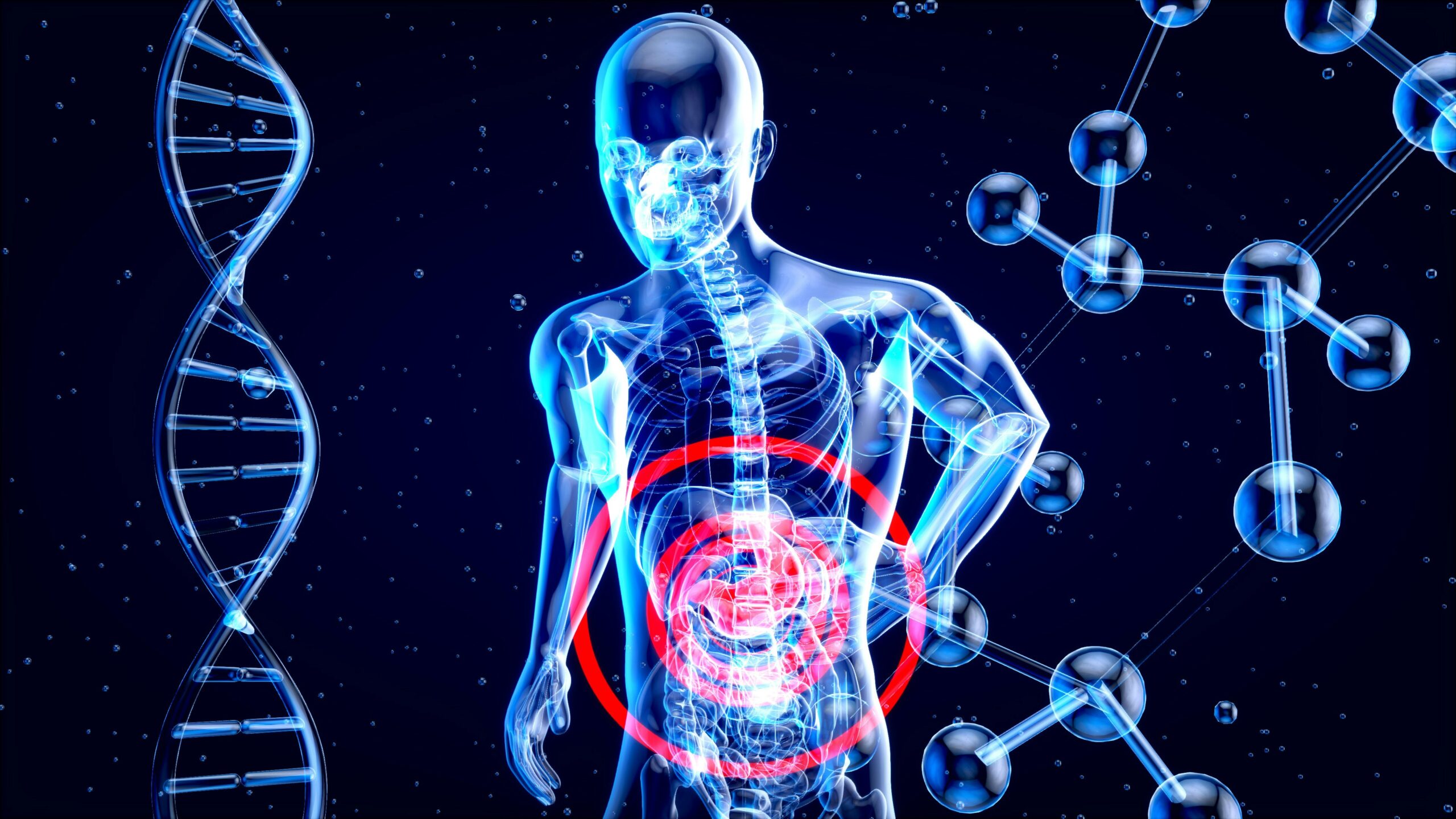
If you have ever had a sudden sharp pain on the left side of the chest and quickly dismissed the possibility that it was a heart attack, you are not alone, and it is most likely not related to any life-threatening condition called precordial catch syndrome
Precordial catch syndrome is a harmless cause of chest pain that is common among children, adolescents, and young adults. Although it may be alarming and feel like a heart attack, it is not related to any cardiac condition.
Many have suffered from or known someone who had a precordial catch syndrome from time to time while slouching, sitting, or using their cell phones. Suddenly, their breathing had become painful as if something was catching in their chest. The pain is often severe enough to cause panic, but its symptoms are very different from those of a heart attack warning signs, which typically require immediate medical attention.
In this article, I will discuss what a precordial catch syndrome is, how it feels, why it is not dangerous, how to distinguish between benign and malignant chest pain, and what to do if you have it.
Why Precordial Catch Syndrome Matters
At first glance, the topic of the article is not very relevant because it is devoted to a benign disease. However, this benign disease is a terrible nightmare for the families of patients because it provokes very scary symptoms such as chest pain. When a patient has pain in the chest area, the first thought that comes to mind is a heart attack or other serious pathology of the cardiovascular system.
The perception of benignity and potential danger is completely different from the patient’s point of view, which is why PCS is so problematic for people. This syndrome usually occurs during the period of puberty and is caused by the peculiarities of the development of the body at this stage. For these reasons, parents’ appeals to the clinics and diagnostic tests to examine the condition of the heart are frequent, but until the diagnosis becomes clear, many procedures and operations are performed.
The topic is essential because understanding the difference between noncardiac chest pain and serious heart or lung conditions can help reduce unnecessary anxiety and medical visits. On the one hand, it is vital for clinicians to exclude pathological processes that require emergency surgical intervention. On the other hand, the diagnosis of PCS allows the patient to avoid unnecessary procedures and reduces the level of anxiety about health. In addition, the topic is essential because it educates patients about the characteristics of this syndrome, which is why it reduces the number of emergency hospitalizations due to chest pain. After all, having received the necessary knowledge, the patient will know how to differentiate between benign PCS and a potentially lethal attack.
What Is Precordial Catch Syndrome?
The word ” precordial” literally means ” in front of the heart”. Precordial catch syndrome is a self-limited, sudden sharp pain over the chest wall musculature in that region. Also called Texidor’s twinge, so named after the doctors who first described it in the 1950s.
The clinical definition of precordial catch syndrome is ” A sudden sharp localized precordial pain, often on the left side, exacerbated on deep inspiration, and usually of brief duration, not due to cardiac, myocardial, or pulmonary pathology, and not progressive or associated with other disease”
Simply put, patients with PCS usually present with sudden sharp localized chest pain – often on the left – that occurs when they take a deep breath and usually disappears as quickly as it comes. Importantly, these patients are not suffering from any cardiac, myocardial, or pulmonary disease – and these pains are not associated with any underlying pathology. The catch is usually brief – it may last seconds or minutes – and is generally self-limited.
PCS most commonly affects otherwise healthy children, adolescents, or young adults who are often sitting down or slouching when the pain begins. They are often able to localize the pain to a very small area – much more precise than the dull, diffuse squeezing discomfort of angina pectoris – and even describe it as being able to ” count the patient’s ribs with one finger”, while pointing the tip of their finger at the spot.
Typical Symptoms and How the Pain Feels
Understanding these symptoms also makes it easier to compare them with other common causes of chest pain and recognize when medical evaluation may be necessary.
While every person’s description is a little different, the symptom pattern of precordial catch syndrome is remarkably consistent across large groups of patients.
Common features include:
- Sudden onset: The pain appears without warning, often in the middle of a normal activity like watching TV or working on a computer.
- Sharp, stabbing, or needle-like pain: People describe it as a “stitch,” “stab,” or “pinpoint” pain rather than a dull ache or pressure.
- Very small area: The pain is usually confined to a tiny spot, often below or near the left nipple, and you can often identify it exactly with one finger.
- Triggered by breathing in: Taking a deep breath makes the pain spike, so people naturally take shallow breaths to avoid the catch.
- Short duration: Most episodes last a few seconds to a few minutes, then disappear completely.
- No other systemic symptoms: There is usually no fever, cough, palpitations, fainting, or radiating pain to the arm or jaw during a typical PCS episode.
Crucially, between episodes, people feel normal.PCS rarely produces persistent tiredness, exercise intolerance, or daily functional limits; many people experience long symptom-free stretches between episodes.

What Causes Precordial Catch Syndrome?
The exact cause of precordial catch syndrome isn’t fully understood, but current evidence points to irritation or pinching of the nerves and structures in the chest wall rather than disease of the heart or lungs.
Several factors are thought to play a role:
- Chest wall and intercostal nerves: PCS is believed to involve transient irritation of the intercostal nerves, which run between the ribs, or the pleura (the lining around the lungs). This nerve irritation can produce the characteristic sharp, localized pain.
- Posture: Many episodes happen when a person is slouched, bent forward, or twisted, suggesting that certain positions might increase pressure on these nerves or compress parts of the chest wall.
- Growth spurts: PCS is more common during periods of rapid growth in children and adolescents, leading some experts to suspect that changes in the chest wall and spine contribute to the syndrome.
- Minor chest wall injury or strain: Some people link episodes to activities that strain chest muscles or a minor blow to the chest, though in many cases there is no obvious trigger.
What is clear from clinical studies and expert reviews is that precordial catch syndrome is not caused by blocked heart arteries, heart attacks, or structural heart disease. It also has no known long-term complications, and most people outgrow it as they move into adulthood.
Who Gets Precordial Catch Syndrome and When?
Precordial catch syndrome is most common in:
- Older children and teenagers
- Young adults, often in their teens and early 20s
Multiple reviews note that PCS is a common cause of chest pain in otherwise healthy children and adolescents and may persist into adulthood for some individuals. Many people say their episodes became less frequent and less intense over time, and most outgrow the condition by their 20s..
Episodes tend to occur:
- At rest, such as sitting in class, watching TV, or using a phone
- In slouched or bent positions
- Without an obvious physical trigger, though stress and posture may play indirect roles
There does not appear to be a strong link to underlying heart or lung disease, and PCS is generally described in people who are otherwise healthy
How Doctors Diagnose Precordial Catch Syndrome
There is no specific blood test or imaging scan that “proves” precordial catch syndrome. Instead, clinicians rely on a careful history and physical exam to rule out serious causes of chest pain and see if the pattern fits PCS.
Typically, a provider will ask:
- Where exactly is the pain located?
- How would you describe itsharp, dull, pressure, burning?
- How long does each episode last, from start to finish?
- What were you doing when it started (rest, exercise, trauma)?
- Does deep breathing make it worse?
- Do you have any other symptoms like shortness of breath, fainting, palpitations, cough, fever, sweating, or pain radiating to your arm or jaw?
In classic precordial catch syndrome, the story is very characteristic: short, sharp, localized left chest pain at rest, worsened by deep breathing, with no other symptoms and complete recovery between episodes. A normal physical exam and normal vital signs further support a benign diagnosis.
Depending on age and risk factors, clinicians may order tests such as an electrocardiogram (ECG), chest X‑ray, or blood work, but often these are normal in PCS. Once more serious conditions are excluded, giving the chest pain a nameprecordial catch syndromeand explaining its benign course is often one of the most important parts of care.
How Precordial Catch Syndrome Differs from Serious Chest Pain
A big part of understanding precordial catch syndrome is learning how it differs from chest pain that needs emergency care. While only a healthcare professional can make that distinction for sure, several features strongly favor PCS over heart or lung emergencies.
Simplified Comparison
| Feature | Precordial Catch Syndrome | Heart Attack / Serious Cause* |
| Onset | Sudden, at rest, often sitting or slouching | Can be sudden or gradual, often with exertion |
| Pain type | Sharp, stabbing, pinpoint area | Pressure, squeezing, heaviness, or burning |
| Pain location | Small localized spot, typically on the left chest beneath the nipple | Often central chest, may spread to arm, jaw, back |
| Duration | Seconds to a few minutes | Usually more than 5–10 minutes |
| Effect of breathing | Worse with deep breath; shallow breathing helps | Usually not sharply affected by breathing |
| Other symptoms | Typically none | May include sweating, nausea, shortness of breath, palpitations, fainting |
| Long‑term harm | None known; benign | Can be life-threatening or cause permanent damage |
*Serious causes include heart attack, pulmonary embolism, pneumothorax, and other emergencies.
Medical organizations consistently stress that any concerning chest pain should be evaluated, especially if it lasts longer than a few minutes, does not improve with rest, or comes with other symptoms like heavy sweating, nausea, or trouble breathing. Even if you strongly suspect precordial catch syndrome, it is safer to let a healthcare professional confirm that nothing more serious is going on.c
What You Can Do During an Episode
There is no formal “cure” for precordial catch syndrome, but several self-care strategies can help you get through an episode and possibly reduce how often it happens.
Most medical sources agree on a few practical steps:
- Improve your posture: sit or stand tall, draw your shoulders back, and lengthen your spine gently to ease pressure on the chest wall and intercostal nerves.
- Breathe gently: Many people find that taking shallow, calm breaths helps the pain fade more quickly. Some report that taking one slow, deep breath despite a brief spike in paincan “break” the catch and end the episode.
- Try light stretching: Stretches or yoga poses that open the chest and counteract slouching may be helpful between episodes, especially for people who sit for long periods.
- Use over‑the‑counter pain relief if needed: Nonsteroidal anti-inflammatory drugs (NSAIDs) like ibuprofen or naproxen can be used for residual soreness, although the acute pain often resolves too quickly for medication to be necessary
However, the most important “treatment” is reassurance once serious causes have been ruled out. Knowing that precordial catch syndrome is harmless and temporary can dramatically reduce the fear and stress that come with each episode.
Common Mistakes and Misconceptions
Due to the location and discomfort that it causes, people with precordial catch syndrome often have a number of delusions about it. The most common delusion is that all sharp pains in the chest near the heart are due to a heart attack. As a result, many patients may suffer from unnecessary fears or restrictions, for example, if a person has been diagnosed with PCS but believes they have heart disease, they may be unable to exercise or sleep on their side, or check their pulse every other day.
Of course, having discomfort in the chest does not mean that a person has had a heart attack, but if the doctor has ruled out all cardiac problems, it is necessary to get rid of the obsession that it is dangerous.
Another delusion that can occur is the reverse one – believing that all discomfort is characteristic of PCS. Sometimes it is necessary to rely on the recommendations of the medical community and those doctors who are conservative in dealing with patients and do not encourage them to believe that every ache is a heart attack. For example, teenage boys often experience discomfort in the chest area, which can be alarming because this symptom can be associated with many dangerous conditions. However, it is necessary to separate various types of pains and not abandon sports and friends when a dull pain is pulled after running.
Finally, the third delusion is quite common, believing that the cause of the problem is weakness of the heart muscle. However, this is not the case; doctors have not found any connection between PCS and heart disease. On the contrary, people suffering from this type of pain may find that it disappears on its own without requiring any treatment.
Expert Tips to Manage and Live With Precordial Catch Syndrome
What do healthcare providers, who regularly encounter precordial catch syndrome, usually recommend? Apart from general advice, there are several key points that can be extracted from the medical community’s responses. First of all, it is necessary to ensure that the condition was diagnosed correctly at least once. For most respondents, the first step is a consultation with medical professionals, who would thoroughly examine the patient, run tests, and rule out other potential issues. Once everything else has been eliminated, an individual case of chest pain can be identified as precordial catch syndrome.
Second, most doctors recommend adjusting the posture, staying hydrated, and stretching regularly. These recommendations were mentioned by numerous practitioners in their responses, which proves their validity. As explained by healthcare providers, PCS episodes often begin as a result of poor posture, so it is important to keep the back straight and avoid high endurance positions for long periods of time. Moreover, stretching exercises help to prevent the attacks, as well as relieve the symptoms once they begin.
The third recommendation is to have a strategy for dealing with PCS. During the consultation, when the doctor confirms that the pain is caused by PCS, the patient and their caregiver can discuss what should be done in case of an attack. For example, it is advised to stop doing whatever activity caused the episode, sit up straight, and take shallow breaths. It may also help to stretch gently until the pain is gone. If the symptoms last for a couple of minutes and subside, no further action is required since the attack was identified and addressed.
However, if the pain fails to respond to these measures or if it is stronger than usual, lasts longer than usual, affects different parts of the chest or comes with new symptoms, the patient should contact their doctor. Finally, most clinicians suggest that families of patients with PCS receive proper education on the condition. By acquiring knowledge about PCS, caregivers will not be overwhelmed with anxiety and will be able to provide first aid without rushing to the hospital. On the contrary, lack of education leads to misinterpretation of symptoms and unnecessary stress for both patients and caregivers. Therefore, it is crucial to get educated and stay calm.
Case Example: Turning Fear Into Understanding
Imagine a 13-year-old child who has experienced three sudden attacks of left-sided chest pain in the last month. The pain is very sudden, sharp, and lasts less than a minute. It occurs when the child is sitting at their desk or playing games. The pain intensifies on deep breathing, and the child is observed to take shallow breaths until the pain subsides. The child plays sports and is very athletic, and there is no history of chest pain or discomfort during these activities.
The worried parents bring the child to a pediatrician’s office, where the doctor listens carefully to their description of events and performs a physical examination. The EKG is normal, and the pediatrician is able to reassure the parents that their child is likely suffering from a benign condition called precordial catch syndrome. He explains the condition and advises them on what to do if it happens again in the future and what signs warrant an immediate return to the hospital
Over the following year the episodes usually decrease in frequency and intensity, and parents are reassured when no major medical cause is identified. which to their horror, they initially believed might be related to heart disease.
When to contact your doctor and when to seek emergency care
Even though precordial catch syndrome itself is benign, chest pain should never be taken lightly if the cause is not apparent. Medical sources generally recommend seeking medical advice for sudden chest pain that may be indicative of PCS.
In particular, you should seek emergency care (call your local emergency services) if chest pain:
- lasts for more than five minutes or does not go away when resting or being treated
- feels like pressure or squeezing in the chest rather than a sharp pain
- occurs with other worrying symptoms such as shortness of breath, sweating, nausea, vomiting, palpitations, or fainting
- spreads to the arm, neck, jaw, or back
These are all warning signs that may point to a serious condition affecting the heart, lungs, or circulation. They are not characteristic of PCS and should be evaluated by medical professionals.
For brief, recurring sharp pains that match the usual PCS pattern, begin by consulting your family physician, pediatrician, or primary care provider. They will be able to either confirm or rule out PCS and track the condition over time. If the pain is affecting your lifestyle in any way, they may also be able to advise you on restrictions regarding physical activity and other concerns.
Long-Term Outlook for Precordial Catch Syndrome
The prognosis of PCS is good since the condition is regarded as benign with no long-term complications that it can cause. In addition, the symptoms tend to become less frequent and severe over time, while patients typically outgrow the condition by the age of 20. Although there is no treatment for PCS, reassurance, good communication from medical professionals, and the appropriate follow-up care are effective methods of managing the symptoms and improving the patient’s quality of life.
Currently, there is no indication that precordial catch syndrome increases the risk of developing cardiovascular disease or pulmonary problems and can have negative long-term effects on the body. On the contrary, the major impact of the disease is psychological since patients are often concerned that the pain they experience is a sign of a heart attack. Therefore, it is essential to provide good support and education to patients with PCS to help them distinguish between cardiac and musculoskeletal pain.
Conclusion: Understanding Precordial Catch Syndrome Brings Real Peace of Mind
Precordial catch syndrome, this long and intimidating name refers to a benign (not dangerous) condition of the chest wall that causes brief and sharp pain over the heart area but does not affect the heart or lungs. The pain is common among healthy children, adolescents, and young adults and usually does not last long, being absent after several seconds or minutes.

The knowledge of what the precordial catch syndrome is and is not helps you to remain serene and calm and not to worry about the short-lived pain episodes. Knowing the pattern of this condition, you will be able to adapt your behavior accordingly and treat the pain as a harmless nuisance, whereas if you suspect another serious heart or lung problem, it is better to consult a doctor to get rid of unpleasant symptoms and receive appropriate treatment.
FAQs About Precordial Catch Syndrome
1. Is precordial catch syndrome dangerous or life-threatening?
No. Based on current medical literature, precordial catch syndrome is considered a benign condition that does not damage the heart or lungs and has no known long-term complications. However, any new or unexplained chest pain still deserves medical evaluation to be sure.
2. Can adults have precordial catch syndrome, or is it only in kids?
PCS is most common in children and adolescents, but it can persist into adulthood or first appear in young adults. In most cases, episodes become less frequent and less intense with age, and many people outgrow them by their 20s.
3. Does precordial catch syndrome mean something is wrong with my heart?
Current evidence indicates that precordial catch syndrome is not caused by heart disease or structural heart problems. Instead, it is believed to involve chest wall or nerve irritation. Even so, only a healthcare provider can rule out heart issues in your specific case.
4. Can exercise make precordial catch syndrome worse?
PCS episodes usually occur at rest and are not triggered by exertion. Once serious conditions are ruled out, most people with precordial catch syndrome can exercise normally. If chest pain appears or worsens during exercise, that pattern is not typical of PCS and should be evaluated by a clinician.
5. Is there any test that confirms precordial catch syndrome?
There is no single test that proves PCS. Diagnosis is based on the history, symptom pattern, and a normal physical exam, sometimes supported by normal tests that rule out other causes. Giving the condition a name after evaluation helps patients understand that their pain, while real, is not dangerous.
6. Can changing my posture really help with precordial catch syndrome?
Many educational resources note that PCS often occurs during slouching or sitting for long periods and recommend sitting or standing upright, rolling the shoulders back, and gently stretching to reduce episodes. While posture changes don’t “cure” PCS, they can help relieve individual episodes and may reduce how often they occur.
7. Should I give my child pain medicine for precordial catch syndrome?
Because PCS episodes are typically very brief, pain medication often isn’t necessary and may not act quickly enough to affect the acute pain. For lingering soreness, clinicians sometimes recommend over‑the‑counter anti-inflammatory medications, but this should be discussed with your child’s healthcare provider based on age, medical history, and other factors.