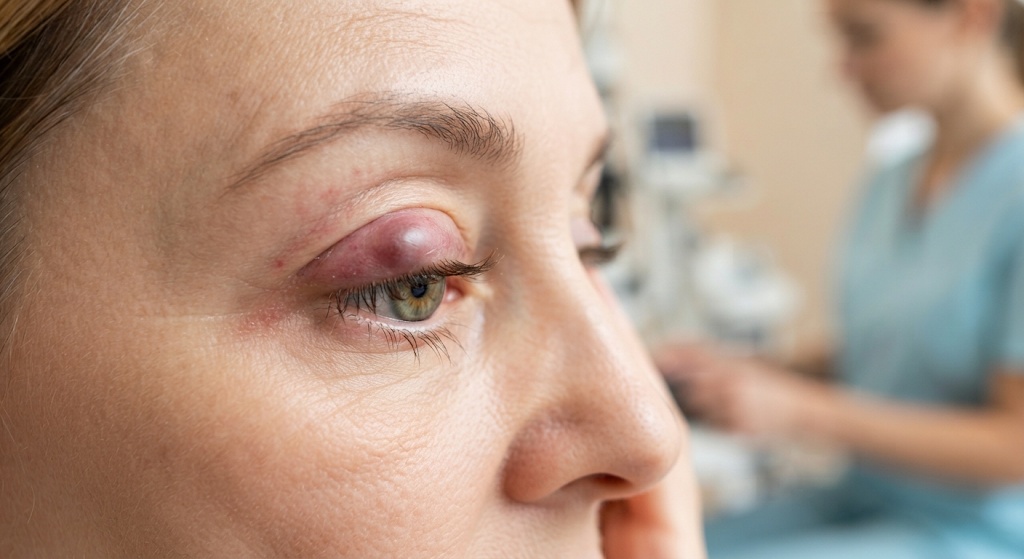
A chalazion can be frustrating enough when it first appears, but it can become even more concerning when the lump feels firm or hard and does not seem to be getting smaller, especially when you are trying to understand chalazion treatment and whether home care is enough.
If you are asking will hardened chalazion go away, the short answer is that it can sometimes shrink or resolve on its own, but a hardened, long-lasting lump may take considerably longer and occasionally needs treatment from an eye care professional.
A chalazion most commonly occurs when an oil gland in the eyelid becomes blocked, leading to a small pimple-like bump. In the early stages, it may cause discomfort and soreness. Later, inflammation subsides, resulting in a hardened mass. Some cases clear up on their own with warm compresses, while others linger for weeks or even months.
Recognizing what develops on the eyelid will assist you in determining whether continuing home treatment and waiting is appropriate or whether it is time to have the eyelid lump evaluated. This article discusses why chalazia are hard, how long they can last, what you can do for them at home, things to avoid doing, and when to seek medical evaluation.
What Is a Hardened Chalazion?
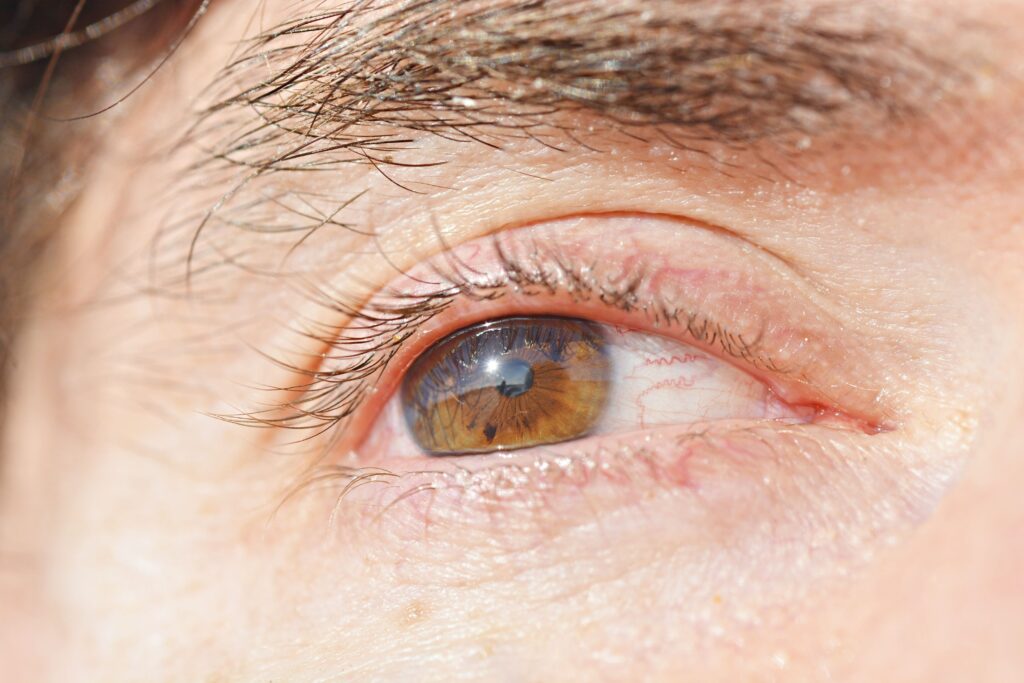
A chalazion is a swelling in the eyelid due to the blockage of one of the sebaceous glands found along the rim of one of the eyelids. Sometimes people think a chalazion is the same thing as a stye, but that is a misconception because there is a big difference between the two conditions.
The oil glands in the eyelid are often referred to as meibomian glands, and they secrete a substance used in making up the tear film. A small opening at the edge of the eyelid allows the oil to exit the gland and coat the cornea. However, if that aperture becomes obstructed, the oil may build up, causing the eyelid to inflame around the gland.
A chalazion is frequently mistaken for a stye, but the two are distinguished by a variety of characteristics.
A stye is often more painful and appears on the outside of the eyelid, whereas a chalazion is less painful and can occasionally be felt as a lump under the eyelid later on.
Why Does It Become Hard?
A chalazion may feel hardened because the initial swelling has resolved and the trapped material plus the inflammation around it has become more dense and fibrous (your body may have formed a small hard lump of inflamed tissue around the affected gland).
This is not inherently awful, it just means that the swelling is less fresh and more established, so it may not dissipate on its own as quickly as a more recent chalazion would.
Short answer: Yes, it can still resolve on its own, but it may take longer than an acutely inflamed chalazion.
Will Hardened Chalazion Go Away on Its Own?
In many cases, yes, a hardened chalazion can slowly, gradually shrink. There’s no set timeline, because it can vary so drastically from person to person.
A small chalazion may take a few weeks to resolve on its own, while a large one might persist for several months. In some cases, the swelling goes down, but the hardened bump remains.
Several factors can influence whether it resolves on its own:
- How long the chalazion has been present
- Its size and location
- How firmly established the blocked material has become
- Whether there is ongoing eyelid inflammation
- Whether the underlying glands are repeatedly becoming blocked
- How consistently appropriate home care is used
A lump that has been present for a short time is more likely to respond to conservative management than one that has been present for some time.
Patience is a virtue, but not in the case of a persistent eyelid lump!
Why Do Some Chalazia Last Longer Than Others?
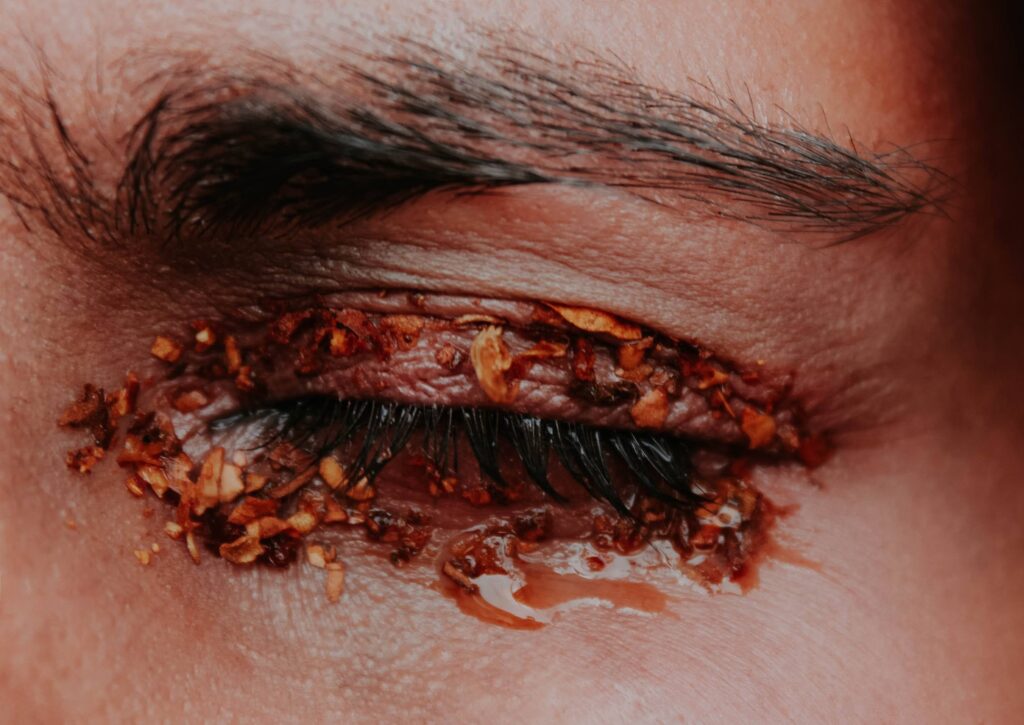
Not all chalazia are the same, which means that two people with seemingly identical bumps might have significantly different healing experiences.
The Age of the Lump
A fresh swelling has more liquid consistency, which can make it easier to deal with. However, as the bump matures, its contents can start to thicken and harden, which makes the lump considerably more persistent.
The lump’s size and depth can also play a role; bigger bumps tend to hold more fluid and might be felt as swollen even when most of the inflammation has gone.
Other Factors Contributing to a Long-Lasting Chalazion
Chronic issues with clogged Meibomian glands can be a reason why some people have bumps that refuse to heal. Essentially, every new chalazion is a complication of the current condition, which makes it persistent even when the first one is almost gone.
Gland malfunction often goes hand in hand with irritation of the eyelid or other parts of the eye. Conditions affecting the edges of the eyelids might also aggravate the situation.
Irritation resulting from improper manipulation of the affected area can also prolong the healing process. Constant touching and poking can irritate the skin and prevent the swelling from reducing as quickly as it should.
Home Treatment for a Chalazion
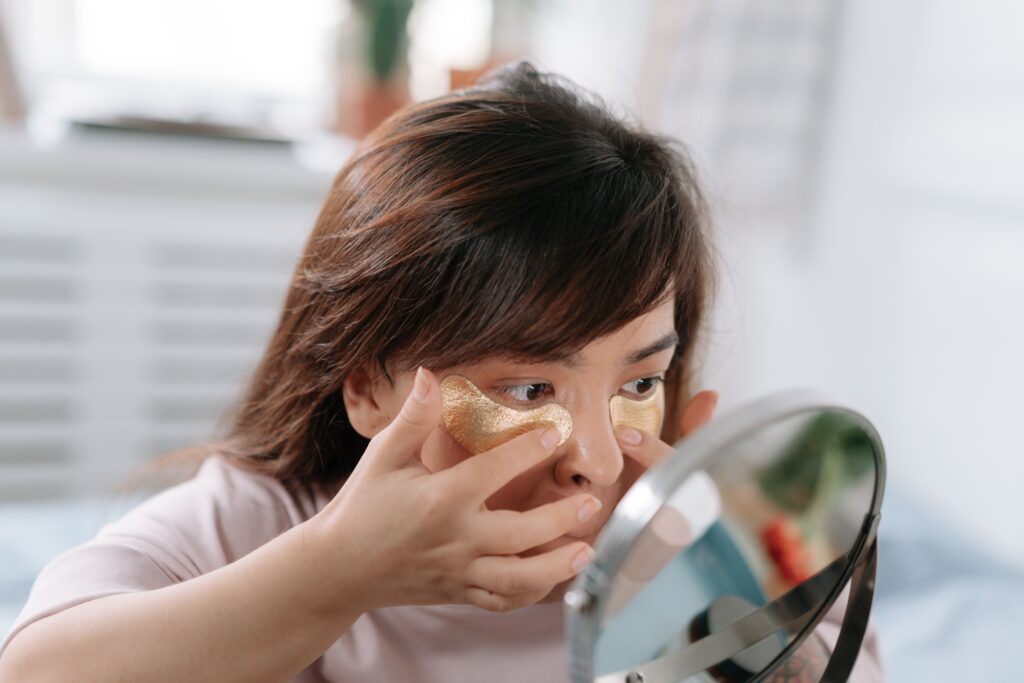
It is important that any home treatment is appropriate for the current condition and that it is used correctly. In most cases, treatment of an ordinary bump will be aimed at reducing the pressure inside the clogged gland and helping it to drain.
The most common technique, which is recommended by most medical professionals, is using warm compresses for a chalazion to help support gentle healing and relieve eyelid discomfort.
Steps for the Warm Compress Technique
Beginners should use a warm (not very hot) compress to the affected area. It is important to choose the right temperature, as a compress that loses its heat too quickly will not be helpful; ideally, it should be warm enough to feel pleasant but not uncomfortably hot.
The warmth helps to relax the skin on the eyelid, allowing the inflamed material to drain outside the gland. Do not use water that is too hot, as it can burn the sensitive skin of the eyelid. A burn would be much harder to treat than the initial chalazion.
Eyelid Hygiene Measures
Proper eyelid hygiene is another crucial aspect of chalazion treatment. This is especially true for people with chronic issues, as they may have more bumps and irritations than others. Wash your hands frequently and do not touch your eyelids with dirty fingers. Avoid using hot water or rough tissues while cleaning the eyelids. Some people prefer to use commercial solutions for eyelid hygiene; if you do, make sure to read and understand the manufacturer’s instructions.
Do Not Attempt to Squeeze Out the Contents of the Bump
Many people think that manually evacuating the contents of the bump is a good idea, but this is wrong. First of all, a chalazion is not a pimple, which means that squeezing it will not make it any smaller. Secondly, such manipulations can cause significant irritation and damage to the eyelid, possibly causing a bacterial infection.
Never attempt to puncture the bump with needles or other sharp objects.
Letting the Bump Go Away on Its Own Takes Time
Most likely, you will not see any dramatic changes right after you begin treatment. Instead, you will notice that the bump is gradually shrinking or has become significantly less painful. These are all signs of improvement, however, so do not stop your treatment just because you feel only partially better. The important thing is to notice whether the lump is going away (in any capacity) or if it is still persisting, recurring, or growing.
How Long Can a Hardened Chalazion Last?
There is no definite timeline
Some chalazia last for a few weeks, while some may persist for months. If the lump has been hard and long-standing, it probably takes longer to regress as the blocked gland and the surrounding tissue have become more inflamed and fibrosed.
If the lump is slowly resolving, you may want to wait until it has gone on its own before deciding whether to seek further treatment
A persistent lump that does not seem to be resolving should be evaluated by a doctor.
- The duration is not the sole deciding factor; you should also seek medical evaluation if the lump grows larger instead of smaller or if it begins to affect your vision
- if it becomes painful or very red
- if you have multiple chalazia that keep coming back
What Treatment Can an Eye Doctor Provide?
If home treatment is ineffective, an optometrist or ophthalmologist can evaluate the eyelid to identify a chalazion.
Considerations may include the lesion’s size, duration, location, and appearance..
Prescription Treatment
Medication is not necessarily required in the case of a common chalazion. This is because it is mainly caused by a blocked gland and subsequent inflammation, making it largely unresponsive to antibiotics, which are usually indicated in the presence of an infection or other complications.
The clinician can make the decision for the prescription of medication.
Steroid Injection
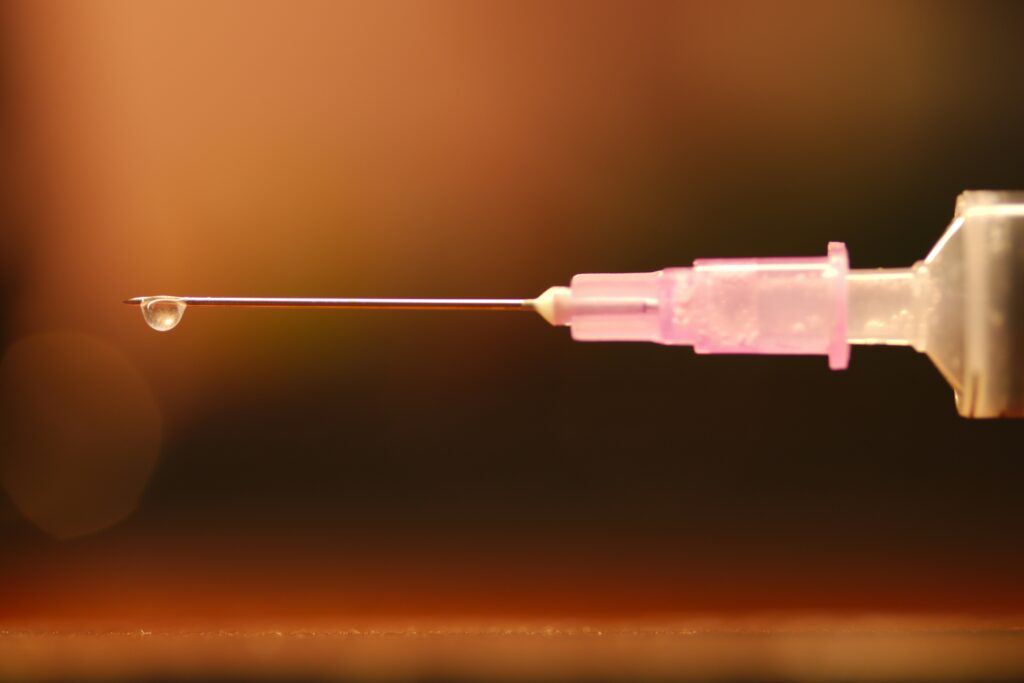
In selected cases, an injection to decrease inflammation may be considered by a clinician. Injections are not indicated in all patients with chalazion, and the risks and benefits of this treatment should be reviewed with your doctor.
Incision and Curettage
If a chalazion is persistent or large, a minor procedure can be performed to remove the contents.
This is usually recommended if the lesion fails to resolve despite conservative measures, or if it is particularly prominent.
This is a procedure that should be decided upon in consultation with a physician, rather than something you should attempt to determine on your own.
Common Mistakes That Can Make the Problem Worse
A chalazion is a simple procedure, but there are some commonly made mistakes that can lead to irritation or even further complications.
Trying to Pop It
A hardened pimple on the eyelid should not be treated as one would treat any ordinary acne. Squeezing and popping it only leads to detrimental consequences.
Applying Extra Heat
The compress should not be scalding. There is a very thin line between an adequate amount of heat and too much. Burning the eyelid will only lead to further irritation and discomfort.
Rubbing the Eye
Repeated rubbing can cause irritation to both the eyelid and the eyeball itself. If an eyelid is itching or generally uncomfortable, one should investigate the cause instead of trying to relieve the discomfort through touch.
Using Inappropriate Drops or Ointment
Not every medication is suitable for every eyelid condition. Moreover, using old medication that someone else happened to have lying around is an unwise idea.
Thinking That Any Swelling Means a Chalazion
A chalazion is just one of many eyelid conditions that involve a pimple-like lesion on the eyelid. One should not assume that any bump means a chalazion. A lesion that does not go away for a long period of time should not be regarded as something normal just because it is common.
When a Hardened Lump Needs More Attention
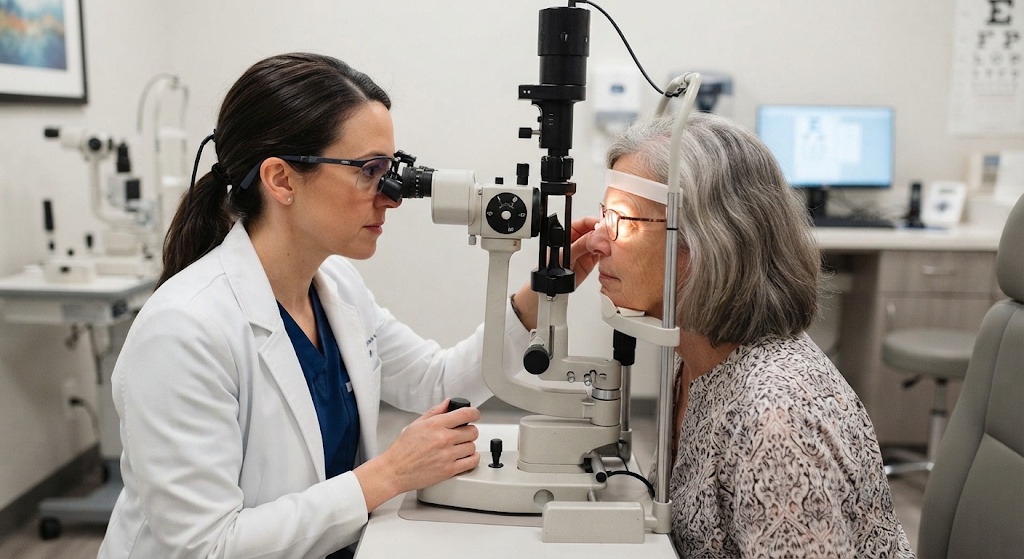
If you are still wondering will hardened chalazion go away after trying conservative care for a while, the answer may depend on whether the lump is actually improving.
Seek professional evaluation if you notice:
- Increasing pain, redness, or swelling
- Significant eyelid tenderness
- Changes in vision
- A lump that becomes large enough to interfere with the eye
- Persistent drainage or signs that may suggest infection
- A bump that does not improve or continues to return
- An unusual-looking lesion or changes to nearby eyelashes or eyelid tissue
A clinician can examine the lesion directly and determine whether it is consistent with a chalazion or whether another diagnosis should be considered.
Recurrent Chalazia Need a Closer Look
Some people suffer from recurrent chalazia – episodes of eye cysts that appear one after another.
In such a case, the treatment of single cysts is not enough – an experienced doctor will develop for you an individual eyelid hygiene plan or exclude other causes of bumps on the eyelids.
Moreover, if you have constant problems with bumps on the eyelids that hurt and are sore, it is important to examine them rather than continue the cycle of cyst removal procedures.
Can You Prevent Another Chalazion?
Prevention is not always possible, but good eyelid habits may reduce the likelihood of repeated blockages for some people.
Helpful habits may include:
- Keeping the eyelid area clean
- Removing eye makeup thoroughly
- Avoiding sleeping in eye makeup
- Washing hands before touching the eyes
- Managing ongoing eyelid irritation with professional guidance
- Following a regular eyelid hygiene routine if recommended
For people whose blocked meibomian glands are a reoccuring problem, it’s better to have a gentle daily treatment than to do a more intense treatment less often. Prevention beats cure when it comes to blocked oil glands.
Wear eye make up like you would any eye make up. If you wear contact laenses make sure to take proper care of them and do not touch your eyes with dirty hands.
A Chalazion vs. a Stye: Why the Difference Matters
Although the terms are sometimes used interchangeably, a chalazion and a stye are not exactly the same.
| Feature | Chalazion | Stye |
| Main issue | Blocked oil gland with inflammation | Usually an acute infection involving an eyelid gland |
| Pain | Often becomes less painful or painless | Often tender or painful |
| Appearance | Firm lump within the eyelid | Red, swollen bump, sometimes near an eyelash |
| Course | May persist for weeks or longer | Often develops and changes more quickly |
The distinction is not always obvious without an examination. A painful, rapidly worsening eyelid problem may require a different approach from a painless, slowly developing lump, which is why understanding common eye health and care tips can help you recognize when professional evaluation may be appropriate.
What to Realistically Expect
The question that makes the most sense is probably not going to be something like “is it going to go away?” but instead “is it improving gradually?”
A chalazion that is slowly disappearing and getting softer is clearly going down the good road.
While home treatment will sometimes cause a lump to slowly disappear, it is not always a sure thing.
Some patients tend to wait too long to seek professional treatment because they think it just needs more time to go away while others immediately seek treatment for a very recent lesion that was already improving on its own.
Your eye doctor can help you figure out where you are on that spectrum.
Final Takeaway
So, will hardened chalazion go away? It may. Even a firm, longstanding chalazion can gradually shrink or resolve, although the process is often slower than with a newly formed eyelid bump. Gentle warm compresses, good eyelid hygiene, and avoiding squeezing or irritation are common conservative measures.
The main rule in this case is to monitor the situation in general. If the swelling has begun to improve on its own, then time and proper care are likely to help. However, if the lump persists over time, is getting bigger, threatening vision, causing frequent discomfort or recurring – an optometrist, or an eye doctor, needs to take a closer look. The fact that the swelling has occurred on the eyelid requires an appropriate, professional examination and a thorough treatment, not just waiting for improvement on its own.