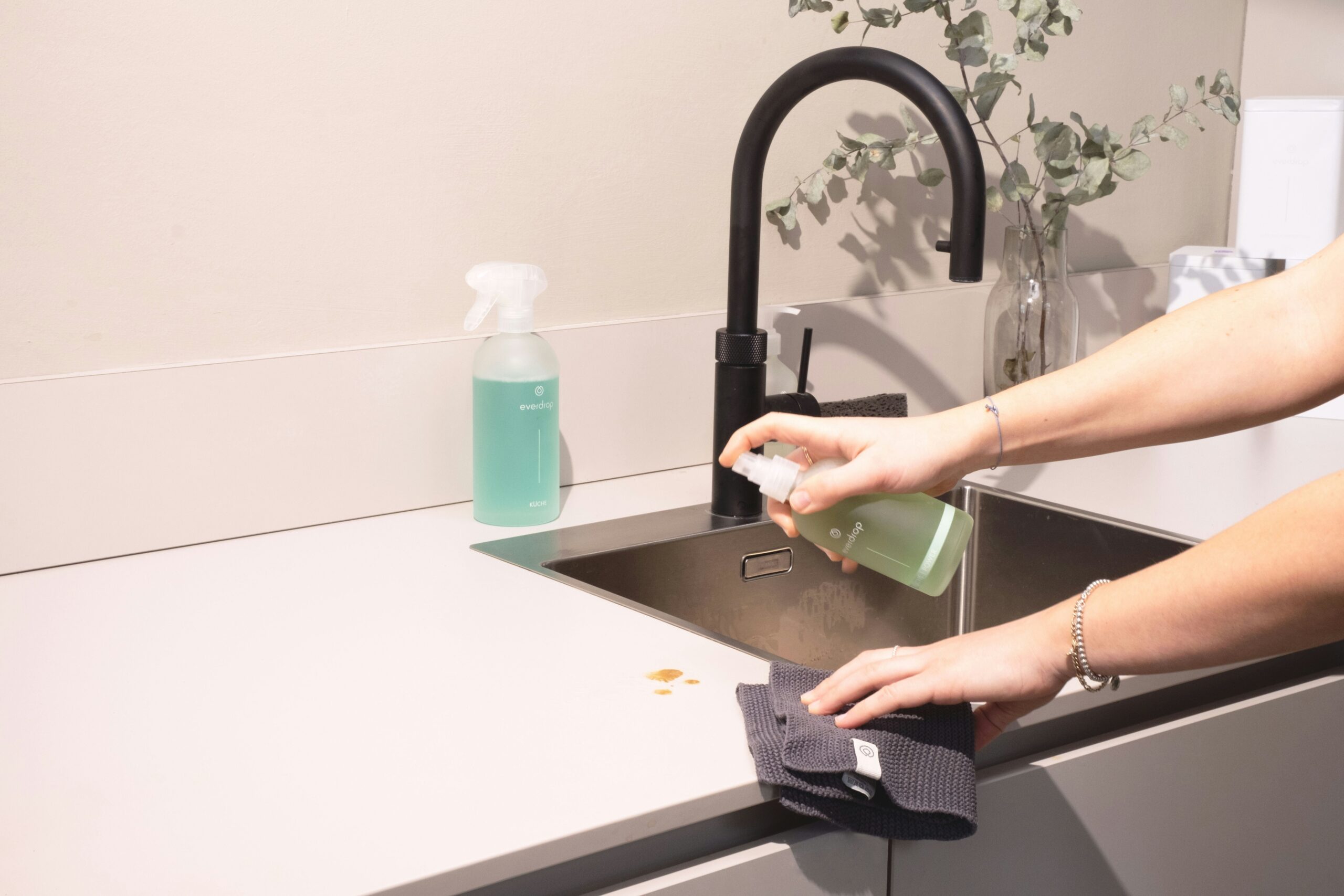
One of the top selections in kitchen countertops or bathroom counters, granite has a timeless beauty, remarkable longevity, and an innate ability to withstand heat and scratches. Even the most enduring of natural stones like granite can also be susceptible to damages; thus, they still need attention to retain their finish and defend the seal that protects its stone surface.
Learning how to clean granite countertops correctly helps maintain their beauty while preventing stains, dullness, and unnecessary wear.
Not All Surfaces are Indestructible Even though granite is a hard stone, that doesn’t mean that just any household cleaning chemical is safe for use. It may sound like granite is the hardest thing in your house and nothing could possibly harm it. In fact, there are chemicals that will damage your stone sealant, which is the barrier that will keep it from being stained by the likes of oil, water, or any other liquid that might come in contact with it. One slip up like this and you’ll be sure to find some damage on the surface of your counter.
Understanding how to clean granite countertops allows you to remove everyday dirt, food residue, grease, and spills without harming the stone. With the right cleaning routine, granite countertops can remain attractive and functional for many years.
Why Regular Granite Countertop Cleaning Matters
Beyond aesthetics, properly cleaning granite is essential for hygiene. Countertops are exposed to all sorts of kitchen spills including cooking oil, food stains, coffee spills, and drinks daily. Unclean kitchen surfaces can leave an imprint of the residue left from these spills which may be detrimental to the health as well as cause a dull finish over time.
Learning how to clean granite countertops helps you:
- Remove food spills before they stain.
- Prevent grease buildup.
- Maintain the natural shine of the stone.
- Reduce bacteria on frequently used surfaces.
- Protect the countertop’s sealant.
- Extend the lifespan of the granite.
A consistent cleaning routine also makes deep cleaning easier since dirt and residue never have the chance to accumulate heavily.
Gather the Right Cleaning Supplies
Before beginning how to clean granite countertops, gather gentle cleaning materials that are safe for natural stone surfaces.
You’ll typically need:
- Warm water
- Mild dish soap
- Microfiber cloth
- Soft sponge
- Spray bottle
- Dry microfiber towel
- Stone-safe granite cleaner (optional)
Don’t use cleaners with bleach, ammonia, vinegar, lemon or anything acidic unless the manufacturers recommend it, as understanding the pH scale in household cleaners can help you choose products that are safe for natural stone. Also avoid steel wool pads and stiff brush or steel pads, which can scratch the seal.
Remove Surface Debris First
The first practical step in how to clean granite countertops is clearing away loose debris before applying any cleaning solution.
Brush off any tiny crumbs, dust, food particles or anything else loose with a dry microfiber cloth, so they do not cause scratches. Clean all of your dishes, appliances, decoration items that are in the way of the countertop so you are able to wipe the countertops all in one swoop. All of this extra effort will not take long to achieve better cleaning!
Clean the Surface with Mild Soap and Water
For everyday maintenance, one of the safest methods for how to clean granite countertops is using warm water mixed with a small amount of mild dish soap.
Dampen a clean microfiber cloth or sponge slightly with the soapy water. Wipe down the counter with short, overlapping motions. Pay close attention to surfaces where food is prepared, since these spots can pick up oil and grime easily.
Wipe clean with a water-dampened cloth to rinse.
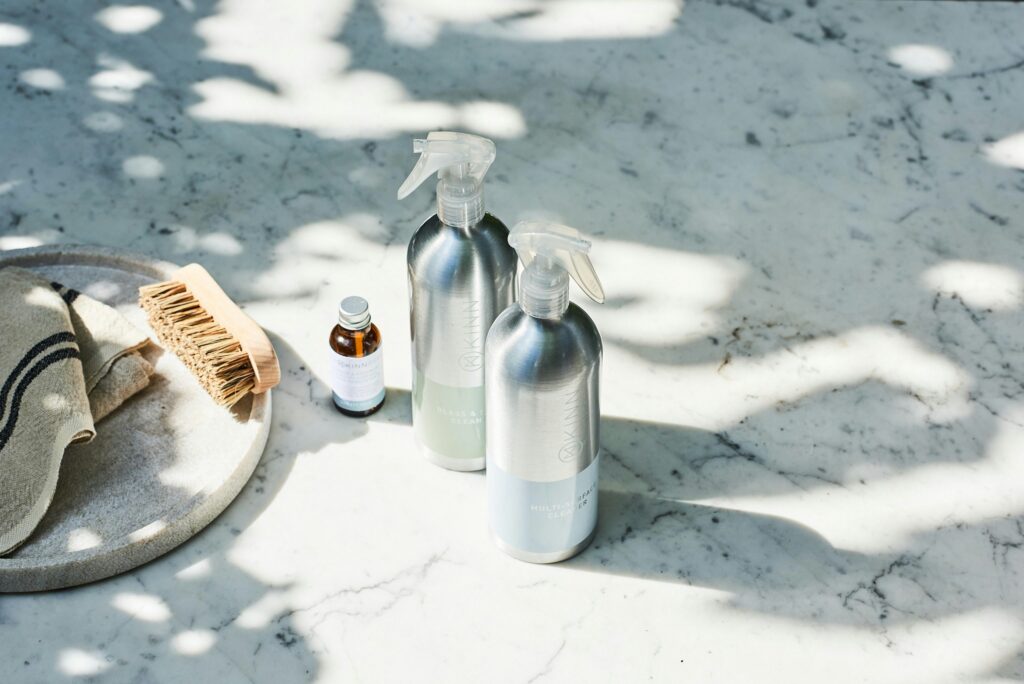
It is not necessary to scrub the surface. Do not saturate your granite countertop with a large amount of water, even though properly sealed granite countertops are resistant to stains and liquids.
Dry the Countertop Thoroughly
An important part of learning how to clean granite countertops is drying the surface immediately after washing.
The Final Wipe Dry a clean, dry microfiber towel will dry off anything else. Not only will this remove any potential water spots and stop it from streaks on the surface but it will help the surface get that ‘ shine’ back. It can also stop hard water minerals ( that can leave a dull appearance) to build up on a polished granite surface. Try and make it a part of your regular cleaning and this step will save a ton of polishing later on .
Handle Spills as Soon as Possible
The good news is that although granite is durable, you don’t necessarily have to have the panic reaction that you’d want to if you spilled anything on some porous stone. Any coffee, tea, juice, wine, oil from the cooking pan, tomato sauce or other colorful liquids could become stains on the stone if you don’t clean it quickly, especially if your granite isn’t adequately sealed.
When learning how to clean granite countertops, avoid wiping spills aggressively across the surface. Instead, gently blot the liquid with a clean cloth or paper towel before cleaning the area with mild soap and water.
Responding quickly to spills helps protect the stone, preserves its finish, and keeps your granite countertops looking clean and well maintained every day.
How to Remove Stains from Granite Countertops
Even with regular maintenance, occasional stains can appear if spills are left on the surface for too long. Knowing how to clean granite countertops also means understanding how to deal with stains without damaging the stone.
For light stains, wash the spot with warm water and a few drops of mild dish soap. If the stain still exists, apply an appropriate cleaner for natural stone; read product instructions carefully, and always test a cleaning solution in an inconspicuous area before treating the spill. Never rub a spill hard or use abrasive sponges, as they can scratch the granite or damage its sealing. The faster a spill is handled, the more likely you are to be able to avoid staining.
Protect the Granite Seal
Most granite countertops are protected by a sealant that helps resist moisture and stains. Although this seal is durable, it gradually wears down with everyday use.
As part of learning how to clean granite countertops, inspect the surface periodically. If water no longer beads up but instead begins soaking into the stone, it may be time to reseal the countertop according to the manufacturer’s recommendations.
Keeping the seal in good condition makes routine cleaning easier and provides additional protection against spills and stains.
Daily Maintenance Tips
Simple daily habits can help maintain the granite countertops’ beauty, reduce the need for heavy cleaning, and support a consistent kitchen cleaning and maintenance routine. The following recommendations can help achieve this goal:
- It is essential to wipe the countertops clean right after spills occur.
- Cutting boards should be used on the countertop rather than cutting directly on the stone.
- Drinks should be placed on coasters to avoid moisture rings.
- Trivets or heat pads should be used when placing hot pots or pans on the countertop if the manufacturer’s guidelines suggest so.
- Every day, the granite surface should be cleaned with a soft microfiber cloth.
- It is necessary to avoid using harsh chemicals to clean the countertops.
- These measures will ensure the countertops’ beauty and appeal for a long time.
Granite Countertop Cleaning Schedule
| Cleaning Task | Recommended Frequency | Purpose |
| Daily Surface Wipe | Every day | Removes dust, crumbs, and food residue |
| Soap and Water Cleaning | As needed | Eliminates grease and light spills |
| Deep Cleaning | Every 2–4 weeks | Restores overall cleanliness |
| Seal Inspection | Every 6–12 months | Checks water resistance and protection |
| Resealing (if needed) | As recommended by the manufacturer | Maintains stain resistance |
Conclusion
Understanding how to clean granite countertops is essential for preserving one of the most valuable surfaces in your kitchen or bathroom. Despite granite’s natural durability, it can maintain its appearance over time with simple daily cleaning methods and regular seal inspections. Your granite will lose its shine when it is cleaned with abrasive pads, acids, cleaning solutions or harsh scrub pads. However, your stone will shine with regular check ups, normal attention and daily cleaning with a neutral detergent with warm water and a cloth. These measures combined will help you to protect your stone and have stunning, pristine, granite, almost maintenance-free kitchen for decades to come.

Frequently Asked Questions
1. What is the best way to clean granite countertops?
What would be the best way to wash granite counters with? 2. Wash your granite with warm water, a drop of gentle dish soap and a microfiber cloth. Make sure to dry the countertops afterwards to avoid streaks and water spots..
2. Can I use vinegar on granite countertops?
Don’t clean your granite countertops with vinegar; the acid can eat away at your sealant, as can any other acid cleaners.
3. How often should I clean my granite countertops?
Wipe your granite down everyday briefly, and more thoroughly to remove any food or stains or grease on your countertops.
4. How do I know when my granite countertops need to be resealed?
Your seal might be losing it if you notice that water doesn’t form beads on top of the countertop and instead, begins to soak in.
5. Can I get stains on my granite countertops?
Are Granite Countertops Susceptible to Stains? Yes, it is possible to stain granite countertops. Granite is technically stain-resistant, but prolonged contact with spilled liquids on the countertops can cause stains, particularly on areas of a granite surface that the seal has started to fade on.
6. Can I use disinfecting wipes on my granite countertops?
Depends what the disinfecting wipe is. You shouldn’t use disinfecting wipes with strong chemicals that will take off the protective seal. Read the package..
7. How can I make my granite countertops shine?
Wipe your granite countertops on a regular basis to keep them lustrous, and remember to always towel them off after cleaning and after wiping up any spills. Remember also to protect the seal.