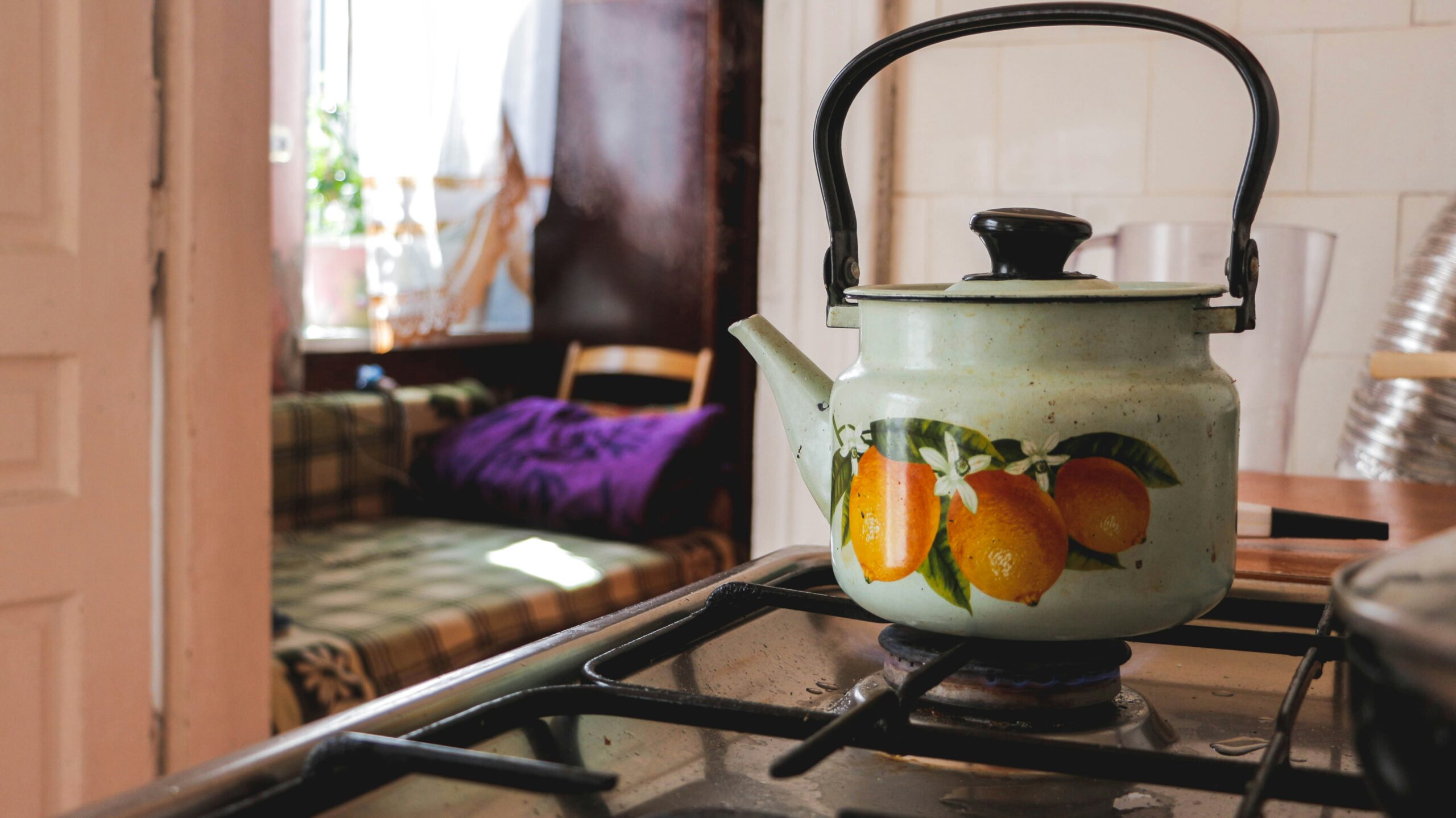
Most kitchens in many homes are always in use of a tea kettle for brewing your tea, making your hot beverages like coffee and even heating water for your breakfast of oats and instant noodles. In course of time minerals are formed at the inner surface of the tea kettle and leave a chalky white deposit called the lime scale. Left untended, scale formations within your tea kettle could degrade the heating efficacy, affect the flavor of your beverages and in the end give your tea kettle a very ugly looking appeal.. Learning how to clean tea kettle properly helps keep it functioning efficiently while ensuring every cup tastes fresh.
Since a kettle is typically used only for boiling water, many people believe regular cleaning isn’t necessary. The fact of the matter is that when water evaporates minerals such as calcium and magnesium are left behind building up deposits inside. The greater the hardness of your water supply the more quickly deposits will appear.
Learning how to clean tea kettle is a simple but essential part of keeping your kitchen clean and your appliance working efficiently. Regular cleaning not only improves the appearance of the kettle but also extends its lifespan, helps it heat water more efficiently, and supports better kitchen cleaning and maintenance habits throughout your home.
Why Cleaning Your Tea Kettle Is Important
Knowing how to clean tea kettle begins with understanding why routine maintenance matters.
Every time water is heated, tiny mineral particles remain inside the kettle after the water has boiled away, eventually forming limescale deposits that reduce heating efficiency over time. As these minerals build up, they create a hard layer that becomes increasingly difficult to remove.
Ignoring this buildup may lead to several problems, including:
- Longer boiling times.
- Reduced heating efficiency.
- White flakes appearing in hot water.
- Unpleasant tastes in beverages.
- Mineral stains inside the kettle.
- Shortened appliance lifespan.
Regular cleaning helps prevent these issues before they become severe. It also keeps your kettle looking cleaner and operating more effectively.
Gather the Right Cleaning Supplies
Before beginning how to clean tea kettle, gather a few simple household supplies. Most routine cleaning can be completed without purchasing specialized products.
You’ll typically need:
- White vinegar
- Clean water
- Baking soda (optional)
- Soft sponge
- Microfiber cloth
- Soft bottle brush (if the opening allows)
- Dish soap for exterior cleaning
Avoid using steel wool or abrasive scrubbers, as they may scratch stainless steel, glass, or enamel finishes. Gentle cleaning tools are usually all that’s required to remove mineral buildup safely.
Empty and Inspect the Kettle
The first practical step in how to clean tea kettle is making sure the appliance is completely empty and cool.
Empty the water out of the kettle and remove the kettle if it is plugged into the electricity. Wait a few minutes for the kettle to cool down, so that you do not burn yourself when handling it. Examine the kettle.
There are often small flecks of white on the bottom of the kettle where it indicates mineral deposits; in other cases, they appear like a large chunk of debris atThese deposits commonly collect at the bottom of the kettle, around the heating element, and along the interior walls.
Examine the spout. Mineral deposits around the mouth of the spout could also be an issue depending on your kettle. A quick glance at the kettle could help tell you how serious your scale problem is.
Remove Mineral Deposits with Vinegar
One of the most popular natural methods for how to clean tea kettle involves using white vinegar.
Fill your kettle halfway with white vinegar, and top up with equal part water. You may need more or less water to ensure the bottom and sides of your kettle is fully coated with liquid. Bring it to a boil and then switch the kettle off.
Let it stand for between 20-30 minutes for the vinegar to do its job against the limescale.
Afterwards you can just rinse the inside with a soft cloth, bottle brush, or wipe away any residual build up (or if the deposit is particularly persistent, repeat the entire process again).
Rinse the Kettle Thoroughly
After removing the vinegar solution, an important step in how to clean tea kettle is eliminating any remaining vinegar smell or taste.
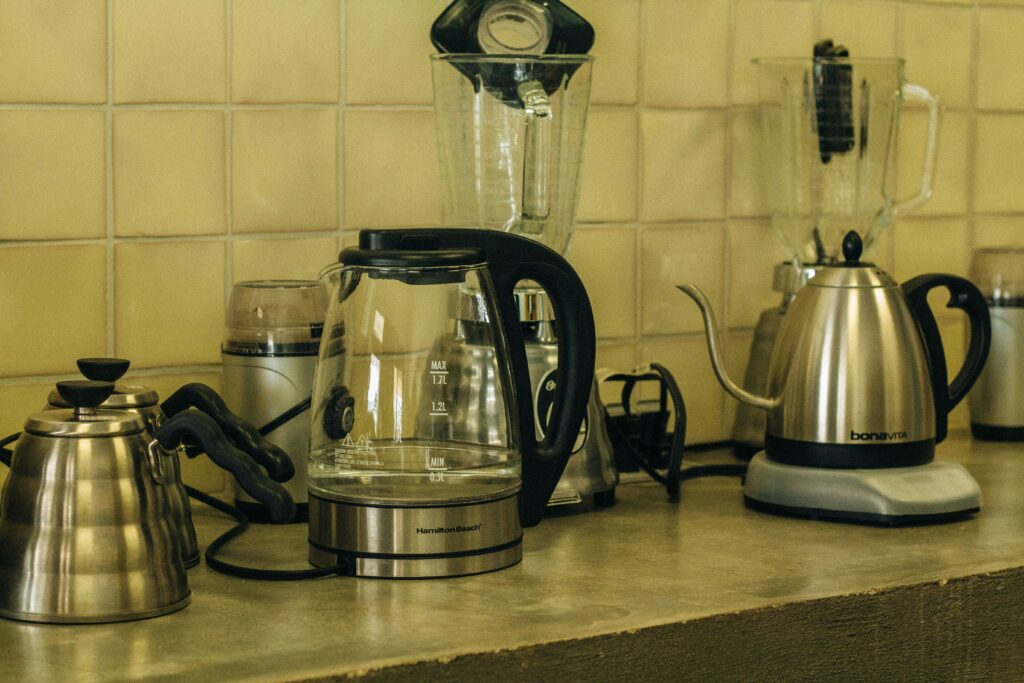
Pour in fresh water, bring the kettle to a rolling boil, then throw the water away. Repeat one or twice more, until you can’t smell vinegar anymore. Now your next cuppa shouldn’t have a lingering taste of vinegar cleaning. Scrub around the outside and lid, including just inside the opening, with a wet microfiber cloth, then pour the water away as before.
Clean the Exterior for a Finished Look
While most people focus on the inside of the appliance, learning how to clean tea kettle also includes caring for the exterior.
Cooking grease, water marks, cooking grease, and dust get splattered around the surface especially the lid and handle. Grab a soft cloth dampened with warm water with just a few drops of mild dish soap, and use it to wipe down the exterior. Be sure to dry your kettle immediately with a second microfiber towel, as this is another great technique for minimizing water marks (especially on stainless steel). Not only does keeping the inside and outside of your kettle sparkling clean do great things for the kettle’s looks, but also helps preserve the finish, which can keep your entire kitchen from feeling rundown.
Dealing with Stubborn Limescale
Sometimes, regular descaling may not remove heavy mineral deposits completely. If your kettle has been used for a long time without cleaning, thicker layers of limescale may require additional attention.
When learning how to clean tea kettle, avoid using sharp metal tools to scrape away the deposits. These can scratch the interior surface and potentially damage the kettle.
Try the vinegar and water descaling method again or let the vinegar and water soak a little longer. After rinsing out the mixture, a bottle brush or non-scratch sponge should work wonders at scrubbing out the remaining residue from the sides or the bottom. If patience doesn’t do the trick for your stainless steel or glass kettle, this is probably your best bet.
Keep Your Tea Kettle Cleaner for Longer
Regular maintenance can greatly reduce mineral buildup and make future cleanings much easier. Small habits practiced consistently help preserve both the appearance and performance of your kettle.
Here are a few simple maintenance tips:
- Empty any leftover water after each use instead of leaving it in the kettle.
- Refill the kettle with fresh water each time you boil.
- Wipe the exterior regularly to remove fingerprints and water spots.
- Descale the kettle before heavy mineral deposits develop.
- If possible, use filtered or distilled water in areas with hard water to better understand Hard Water vs. Soft Water and help reduce mineral buildup inside the kettle.
Following these habits can reduce limescale accumulation and help maintain better-tasting hot beverages.
Tea Kettle Cleaning Schedule
| Tea Kettle Area | Recommended Cleaning Frequency | Purpose |
| Interior Descaling | Every 1–3 months | Removes mineral buildup and limescale |
| Exterior Surface | Weekly | Eliminates fingerprints, grease, and dust |
| Lid and Spout | Monthly | Prevents residue and improves water flow |
| Deep Cleaning | Every 2–3 months | Maintains overall cleanliness and efficiency |
| Final Water Rinse | After every descaling | Removes cleaning solution residue |
Common Mistakes to Avoid
Even after learning how to clean tea kettle, there are several mistakes that can shorten the lifespan of the appliance or make it work improperly.
To avoid them, you should not:
- use steel wool or metal brushes,
- leave the vinegar in the kettle after cleaning,
- forget to rinse the kettle properly,
- boil it when it is empty,
- leave the scale alone,
- use harsh chemical cleaners.
By avoiding these mistakes, you will be able to keep your kettle in good working condition and use it safely.
Conclusion
How to clean a tea kettle with useful home remedies for scale and stain removing Whether the electric tea kettle or its antique predecessor, everyone can use a clean tea kettle in their kitchen for the daily beverage of choice. When the inner wall of a tea kettle develops a coating of white, powdery deposits known as a scale or the inner walls are discolored by stains and smells that linger in your beverage, cleaning it becomes necessary. But this isn’t a very daunting process to carry out and one can easily manage the job with common items in your kitchen like water, vinegar and a soft cloth.
Read on to learn the most useful home remedy on how to clean a tea kettle and how to remove tea stains and limescale in easy ways.
A good maintenance for both the external and internal components of the kettle would ensure that you get the perfect cuppa tea and coffee in an almost timeless period.
Frequently Asked Questions
1. How often should I clean the kettle?
In addition, you can make a thorough cleaning of the kettle one or two times a year, depending on the hardness of the water. Periodically it is also necessary to wash the kettle, so that on the walls there is not much scale.
2. Can I use vinegar to clean the kettle?
Yes, you can! A mixture of white vinegar and water is the easiest, most effective way to get rid of scale and lime.
3. Why is there a white film on the kettle?
This white coating is because of dissolved calcium and magnesium salts (which form the calcium- and magnesium in tap water). They’ll be released when heated and start to form a hard layer of scale on your kettle.
4. Is it possible to use baking soda for descaling?
Baking soda can be effective in cleaning up small spots and leaving your kettle smelling fresh, but if your kettle is covered in a serious layer of scale, it’s still worth getting out the vinegar to blast away any stubborn deposits.
5. Can the scale affect the taste of tea?
If a considerable amount of scale accumulates inside the kettle, this will impact the taste of boiled water and hence the flavor of tea, coffee, etc. Thus, the flavor of the drink you brew will be different than normal.
6. Is it necessary to rinse the kettle after cleaning?
After that, it is advisable to rinse the kettle at least twice, so that the smell of the vinegar would be washed away from it. The fact is that after such cleaning you need to turn on the kettle at least twice for boiling the water..
7. Does drinking water affect the amount of scale?
If it is possible, it’s better to use filtered water or boiled water instead of normal tap water in the kettle as it has a lot less minerals in it.