Therefore, getting to know the appearance of the nodular melanoma, its accompanying factors, symptoms that it causes, and methods of therapy is essential. In most cases, it is a severe disease, but there are various treatment options that can be applied individually. In addition, a timely diagnosis can make a staggering difference in the outcome of the case.
What Is Nodular Melanoma?
Nodular melanoma is a type of melanoma, or skin cancer, that develops in melanocytes. These are the cells in the body that produce melanin, the pigment found in the hair, skin, and eyes.
Unlike other types of melanoma, which tend to grow outwards on the skin, nodular melanoma grows inwards and downwards into the skin. It is also one of the fastest growing forms of melanoma. Nodular melanoma is most frequently found on the…
- chest
- back
- arms
- legs
- head and neck
However, it can also develop on other parts of the body, including those not often exposed to sunlight. Additionally, because this melanoma subtype progresses rapidly, timely diagnosis is often critical for the treatment’s success.
How Is Nodular Melanoma Different From Other Melanomas?
Many people know the so-called ABCDE rule that helps distinguish suspicious moles from ordinary ones:
- Asymmetry
- Border irregularity
- Color variation
- Diameter
- Evolving appearance
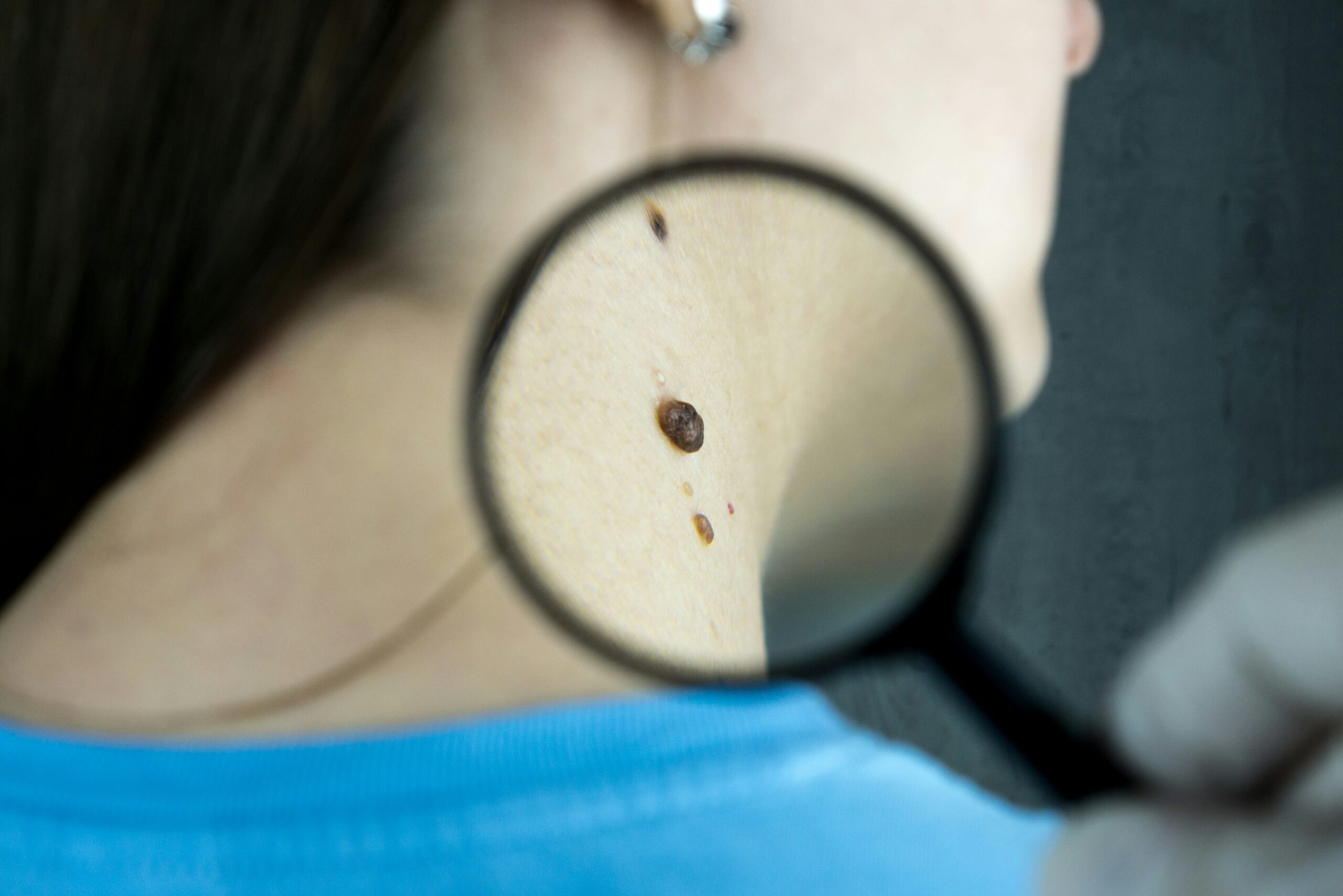
However, applying this criterion to nodular melanoma is not always correct. This type of cancer rarely exhibits the signs listed above. Instead, nodular melanoma:
- Is usually elevated
- Can quickly grow for months or years
- May have an uniform color
- Can cause bleeding or ulceration
- Is hard on palpation
Due to these features, doctors recommend that patients watch closely for any unusual change in the skin and bring suspicious growths to their attention.
What Causes Nodular Melanoma?
Same as other melanoma types, nodular melanoma is caused by genetic mutations that lead to the development of abnormal melanocytes growth.
The reason why the last ones appear on a particular person’s skin may be different, although there are certain melanoma risk factors that make the development of the disease more likely.
UV Radiation
Exposure to UV radiation is one of the leading causes of melanoma and significantly increases the risk of developing skin cancer over time. Sun exposure damages the skin, while tanning beds radiation may lead to DNA damage inside the skin cells.
Genetics
Having melanoma in close family relationships increases the risk of developing the disease by several times.
Fair Skin
Having fair skin type, light hair, light eyes color, or frequent freckles appearance also increases melanoma risk due to insufficient protection from UV radiation.
Nodular melanoma is dangerous because it may appear on any skin type, regardless of the level of melanin produced there.
Previous Melanoma Cases
Moreover, having been diagnosed with melanoma before increases the chances of new melanoma spots development in the future.
Risk Factors for Nodular Melanoma
Some of the risk factors that may contribute to the development of nodular melanoma include:
Frequent sun exposure causing sunburns
- Indoor tanning
- Having light skin tone
- Having a family history of melanoma
- Being prone to having many moles
- Having a weak immune system
- Being older, although it may affect people of any age
- Having had another form of skin cancer previously
The presence of any of these risk factors does not necessarily mean that an individual will develop melanoma, but it is a reason to remain especially careful about the state of their skin.
Early Signs and Symptoms of Nodular Melanoma
Recognizing suspicious skin changes is one of the most important steps in identifying nodular melanoma early.
Possible warning signs include:
- A new raised bump on the skin
- Rapid growth over a short period
- Black, brown, blue, red, or pink coloration
- Bleeding without obvious injury
- Crusting or ulceration
- Persistent itching
- Tenderness or pain
- A lesion that feels firm
Some nodular melanomas contain little or no pigment and may appear pink, flesh-colored, or red. These are sometimes referred to as amelanotic melanomas and can be especially difficult to recognize.
Any rapidly changing skin lesion deserves prompt medical evaluation.
Where Does Nodular Melanoma Usually Develop?
Although nodular melanoma may appear almost anywhere on the body, certain locations are more common.
Men frequently develop lesions on the:
- Chest
- Back
- Head
- Neck
Women more commonly develop melanoma on the:
- Legs
- Arms
- Back
Nevertheless, the disease can occur in areas with little sun exposure, making routine skin examinations important.
How Is Nodular Melanoma Diagnosed?
Diagnosis begins with a careful skin examination by a healthcare provider or dermatologist.
During the examination, the clinician evaluates:
- Size
- Shape
- Color
- Texture
- Growth pattern
- Changes over time
If a suspicious lesion has been found, a skin biopsy is typically recommended.
A skin biopsy is a procedure in which a sample of tissue is surgically removed for examination under a microscope by a pathologist to confirm the diagnosis.
If melanoma is confirmed, further tests are usually recommended to staging, such as the thickness of the tumor, whether it has invaded the lymph nodes, or if it has metastasized.
Staging of Nodular Melanoma
After diagnosis, healthcare providers determine the stage of nodular melanoma.
Staging considers several factors, including:
- Tumor thickness
- Ulceration
- Spread to nearby lymph nodes
- Spread to distant organs
The stage helps to determine the treatment and prognosis.
Only medical experts can establish the stage of melanoma after appropriate tests.
Treatment Options for Nodular Melanoma
- The treatment of nodular melanoma is determined by the stage of the disease.
Surgery
- Surgery is the standard treatment for localized nodular melanoma.
- The doctor removes the melanoma, including the border of normal skin, to reduce the risk that the cancer will recur.
Sentinel Lymph Node Biopsy
- In addition, a sentinel lymph node biopsy may be done to check if cancer has spread to other parts of the body.
Immunotherapy
- Modern immunotherapy drugs help the body’s own defenses to fight cancer.
- In particular, immunotherapy is very effective in the treatment of advanced melanoma.
Targeted Therapy
- In some cases, cancer cells have genetic defects that can be targeted with special drugs.
- This treatment may be recommended if genetic testing of the melanoma tissue identifies specific gene mutations.
Radiation Therapy
- Radiation therapy can be used to treat nodular melanoma in some patients.
- It may be indicated, for example, if the cancer has metastasized or is unresectable.
- The choice of therapy is individual and depends on the patient’s condition and the stage of the disease.
Can Nodular Melanoma Be Prevented?
Unfortunately, there is no reliable way to prevent melanoma. However, you can reduce the risk of developing melanoma by reducing exposure to UV radiation.
Some measures to reduce the risk of melanoma are:
- Use of sunscreen
- Wearing protective clothing
- Avoiding sun exposure during peak hours
- Avoiding tanning salons
- Skin self-exams
- Skin cancer screenings by a doctor
The most important measure to prevent melanoma is to detect it in time, which is why skin self-exams and doctor’s examinations are so important.
When Should You See a Healthcare Provider?
Seek medical evaluation if you notice: If you notice a rapidly growing skin bump, a changing mole, or bleeding without injury, it’s important to seek medical evaluation. Understanding the early warning signs of skin conditions can help you recognize concerning changes sooner and seek timely care.
- A rapidly growing skin bump
- A mole that changes quickly
- Bleeding without injury
- A sore that does not heal
- Persistent itching or pain
- Any suspicious new skin lesion
Early diagnosis remains one of the most important factors associated with successful treatment.
Living After a Nodular Melanoma Diagnosis
A diagnosis of nodular melanoma often requires you to pursue continued treatment and monitoring.
The follow-up care may consist of:
- Routine tests and skin examinations
- Surveillance for possible recurrence
- Appropriate imaging tests
- Education on sun protection
- Continued consultation with your physician regarding treatment and care
While some patients are able to return to their normal routines after diagnosis, they must continue to be monitored.
Conclusion
Nodular melanoma Nodular melanoma is a more aggressive variant of the disease which tends to grow faster than many other forms of melanoma. Nodular melanoma is different from many other melanoma subtypes in that it often presents as a dark and hard nodule rather than an uneven mole. Nodular melanoma tends to grow rapidly over a short period of time.
As many other melanoma subtypes, nodular melanoma can potentially be deadly if not treated in due time.
The most important thing to do in order to spot nodular melanoma is to observe your skin for any growths which may appear suddenly and either bleed or grow rapidly. It is also crucial to keep track of any mole, freckle or spot which seems unusual in any way or differs drastically from other marks on your skin. In many cases nodular melanoma will not present any of the infamous ABCDE signs.
Luckily, there are some rather effective treatments for nodular melanoma including surgical removal, immunotherapy, targeted therapy and others. The key to successfully treating the condition is to detect it at an early stage. Making sure to avoid unprotected exposure to sunlight and regularly check your skin for suspicious markings can help you prevent nodular melanoma and spot it early if and when it appears.
Frequently Asked Questions
1. What is nodular melanoma?
Nodular melanoma is a rapidly growing type of melanoma that typically takes the form of a bump on the skin and grows downward into the skin more quickly than other melanomas.
2. Is nodular melanoma dangerous?
Yes. Nodular melanoma is considered to be a more aggressive type of melanoma because it often infiltrates deeper skin layers and can therefore be harder to treat, especially in its later stages.
3. Does nodular melanoma always look black?
No. Some moles can be of different colors ranging from dark brown or black to red, pink, blue, or even flesh-colored.
4. Can nodular melanoma be cured?
For many cases, proper treatment and management early on ensure successful outcomes. The success depends on various factors, including the stage of diagnosis and general health condition.
5. Who is most at risk for nodular melanoma?
Those at higher risk are individuals who are often exposed to UV radiation, have light skin tone, have a family history of the condition, have multiple moles, or have had melanoma previously.