
Dark laughs now pop up everywhere – online, on stage, in everyday talk.There is no universal agreement on exactly where the line is drawn. Jokes like these dig into heavy stuff: death, pain, things folks usually avoid at dinner. Some call it bold truth-telling disguised as punchlines. Others see only disrespect when timing misses its mark. What feels freeing to one person might wound another. Tone shifts fast; meaning bends based on who speaks, who listens.
Out here, where jokes spread faster than facts, laughter often hides behind irony. Dark comedy now shapes how people connect, not just through stand up acts but in quick posts and shared reactions. Instead of staying on screens it slips into chats among friends. Where sarcasm meets reality you find this edge cutting deeper than before. Once rare it now threads through moments once considered too serious.
This piece walks through dark humor jokes – where they come from inside the mind, how they shift across cultures, the way writers shape them, when they fit into today’s shows and stories – all without picking sides or dressing things up.
Topic Overview
Dark humor laughs at tough things – like dying, pain, being scared, or sickness – by turning them into jokes. When it twists reality just enough, it slips close to satire, almost wearing its skin. The line blurs further when shock enters the room, leaning into what some might call offensive. Tone shapes everything; a slight tilt changes how it lands. What feels like mockery to one person reads as relief to another.
Laughter here comes not from silliness, yet through unease tangled with humor. What gives it strength – the clash of grimness alongside giggles – also divides people deeply.
Dark jokes show up everywhere now – on stage, screens big and small, online spaces. Not because they’re trendy, but because they poke at what people pretend not to see. Sometimes laughter isn’t joy. Other times it’s armor. Jokes twist pain into something speakable. They unsettle first, then reveal. Humor like this doesn’t explain – it exposes.
Why This Topic Matters
Dark humor makes tough moments easier to handle, so knowing how it works matters. Not always laughter – sometimes relief comes through irony instead. Some experts say joking about serious things helps manage anxiety, even if just for seconds. Many researchers have explored coping mechanisms through humor as a way people process difficult emotions and stressful experiences. Heavy topics land differently when framed with sarcasm or absurdity. Laughter isn’t always light; often it arrives cloaked in discomfort. Jokes aimed at grown-ups frequently walk that edge between shock and release.
Dark humor’s punch lines shape today’s movies, live acts, even online tales – comedic tricks quietly shifting how stories land. What once shocked now slips into scripts, redefining what gets told on screen or stage. Behind the laughs, a twist: grim jokes paving ways new voices tell it straight. From basement gigs to viral clips, sarcasm with an edge colors much of what circulates now.
Nowadays people click more on searches about sharp wit, twisted punchlines, or why we laugh at grim things – curiosity shifts show new tastes in what feels entertaining. A quiet trend, really, how mood and meaning mix when jokes cross lines once avoided. What sticks? Not just shock but the strange comfort found in shared discomfort. Laughter bends where culture cracks open a little wider.
different ways of doing things
What hides behind dark jokes often shifts, shaped by who tells them, who listens, and where they’re told. A smirk in one place might bring silence somewhere else. Tone bends easily – sometimes it mocks, sometimes it numbs. Context pulls the strings more than any punchline ever could.
Outrageous overstatement pops up when scenarios stretch so far they loop back into silliness. Think of those dark comedies or satirical series – where the joke hides in how wildly off-base things get.
Humor built on irony plays off what people expect versus what actually happens. Often found in online memes, it shares a lot with sarcasm but stands apart through timing and delivery. What seems serious often isn’t – that twist keeps attention.
Out of nowhere, some comics turn hot-button issues into punchlines, using humor to poke at power. Instead of avoiding touchy subjects, they weave them into personal tales during live sets. These routines might start quiet, then build around real frustrations people feel. Jokes become a backdoor way to question norms without preaching. Audiences laugh, yet leave thinking about what was really said.
Out of nowhere, jokes built on surprise or forbidden topics show up. Though they sometimes land well, getting them right means watching the clock and reading the room – step too far, though, and things get messy.
Comparing Key Ideas and Methods
Not every joke about serious stuff counts as dark humor – some just miss the mark. What looks like sarcasm might actually be bitterness wearing a funny hat. Irony slips in when you least expect it, yet stays clear of true darkness. Sarcasm bites hard, though rarely carries the weight of real tragedy. Satire aims at society, while dark comedy stares into personal voids. One laughs at disaster; the other laughs because everything’s already broken
- Dark Humor vs. Satire Humor:
- Funny jabs at leaders or rules define satire, though jokes about grim topics can lack such targets. Yet dark laughter sometimes just sits in bleak places without pointing fingers.
- Dark Comedy vs. Offensive Humor:
- Laughter shaped by shadow often carries meaning – though not every cutting remark has a reason behind it.
- Edgy Humor Jokes vs. Meme Culture Humor:
- Sharp jokes usually come planned, yet memes bounce around the web without anyone steering them. Still, one’s crafted, the other just grows.
- Adult Humor Jokes vs. Psychological Humor:
- Laughter grown-ups get often ties into life’s heavier stuff. Meanwhile, jokes about how people act come from poking at feelings and minds.
What sets them apart lets people grasp the purpose without getting it wrong.
Advantages and Limitations
Dark humor jokes offer several advantages when used appropriately.
Laughing can lighten tough feelings. When moments feel heavy, jokes sometimes help folks breathe easier – especially around hard subjects. That’s tied to how minds use funny moments.
Comedy opens doors. By stretching limits, writers test norms – one joke at a time – using humor as their tool.
Because of dark humor, people start to think more deeply, digging past the obvious punchline. One has to question what is really being said, not just laugh at words. Jokes like these push you to weigh intentions behind sarcasm. Understanding comes only when looking beyond the shock. Meaning hides where first reactions miss it.
Still, it doesn’t always work. Confusion pops up easily – more so online, where voice cues vanish. A joke meant to be sharp might land flat, felt instead as careless by someone else.
What lands as funny in one place might fall flat somewhere else. Jokes shift meaning across borders, shaped by local norms. Context shapes whether laughter follows or discomfort sets in.
Real-World Examples
Some comedians find truth in jokes about tough topics. Life’s heaviest moments sometimes show up bent, stretched, on screen. Writers shape pain into something watchable through twisted laughs. Serious stuff gets airtime when framed oddly enough. Humor like this doesn’t smile – it stares back.
Out there on the internet, jokes built around images spread fast when they twist ordinary life with sarcasm or surprise, much like popular birthday puns shared across social platforms. Sharing them feels natural once laughter meets something painfully familiar.
Out of nowhere, a comedian might toss out a sharp joke about love, illness, or what people expect from one another. Whether it lands rests less on the words themselves but how fast they come, where the pauses fall, who’s listening.
Out of nowhere, someone might crack a grim joke when things get tense. Still, how often that happens depends heavily on who they are and where they’re at. Sarcasm slips in too – usually soft, almost playful – but only some folks lean into it. Not everyone reaches for humor when pressure builds; context shapes the response every time.
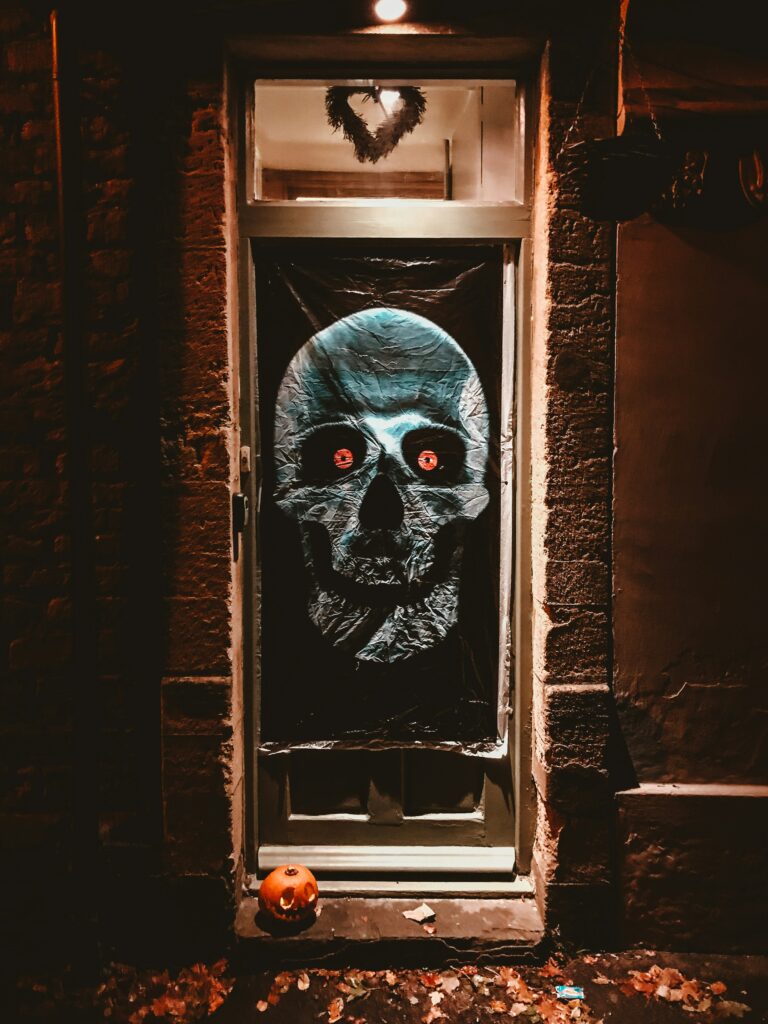
Learn how dark humor jokes use irony and satire to address serious subjects in a unique way.
Common Mistakes
Most people miss how delicate dark humor really is. When the crowd’s limits aren’t clear, a clever line might land wrong – no matter how sharp it seems on paper.
Surprise wears thin when pushed too hard. Leaning on wild ideas alone, while skipping clear setup, chips away at how strong jokes can land over time.
Often, satirical jokes run into trouble because they’re unclear. When people can’t tell the difference between a pointed jab and outright mockery, meaning slips away. Instead of landing right, the point fades into confusion. Without that fine line drawn clearly, listeners might miss what was meant entirely.
On top of that, new joke writers often mix up sarcasm and dark comedy – ending in punchlines that seem off or unclear.
Jokes can fall flat when they show up too late. A room full of silence often follows if the moment feels off, no matter how sharp the punchline.
Expert Recommendations
Laughter walks a fine line when it comes to dark topics – those who study funny moments say cleverness must sit alongside caution. Not every punchline works without thought behind it; sharp wit needs care just as much as imagination. Some find humor in grim places, yet timing and sensitivity shape what lands well. A joke might spark laughter or discomfort depending on how it’s built from the start.
Storytelling pulls readers in more than sudden surprises ever could. When plots have depth people stay interested longer while also understanding clearer what was meant. A well-built tale often means fewer wrong conclusions too.
Picture who’s listening before you speak. A joke that lands in a dim room full of strangers might fall flat online.
Laughing at tough subjects makes more sense when you look into how minds react. Because of that, shaping jokes gets easier – emotions stay steadier too.
Leaving room for thought tends to work better. Last thing you want? A punchline that shouts instead of whispers.
FAQs
1. Dark Humor Jokes Explained Simply?
Laughing at tough topics happens when irony meets pain. Jokes like these twist heavy themes into something sharp but funny. Serious stuff gets flipped through sarcasm instead of respect. What feels off-limits becomes material by accident or design. Humor shows up where it probably shouldnt. Twisted punchlines thrive on discomfort. The edge keeps calling back.
2. People laugh at dark jokes because they make hard truths feel lighter?
Laughing at tough subjects helps some folks breathe easier. Sudden surprises in jokes catch attention fast. Seeing heavy things through humor changes how they feel about them.
3. Dark Humor And Offensive Humor Are Not The Same?
True. Jokes meant to offend might just shock without reason, whereas dark humor usually weaves in sarcasm, twist endings, or sharp observations about life.
4. Dark Humor Common Uses?
Found often in stand-up routines, movies pop up across TV shows, while also spreading fast through memes online.
5. Dark humor comes with risks?
True – humor that sparks debate might land differently based on how people feel about certain topics. A joke seen as sharp by one group could seem harsh to another. Background shapes reaction, so what’s funny in one place may confuse someone elsewhere.
6. What Makes Dark Humor Work?
Dark humor works best when it lands at just the right moment. Yet even perfect timing fails without a setting that fits. A fresh twist lifts the joke beyond shock value. Still, knowing how listeners might react keeps things from going off track.
Conclusion
Dark humor jokes remain one of the most complex and debated forms of modern comedy. While they can be entertaining, thought-provoking, and emotionally relieving, they also require careful handling due to their sensitive nature.
Still shifting alongside internet talk and worldwide reactions, this kind of humor grows within darker comedy, satirical jokes, and meme-driven laughs. Not limited to live acts, stories, or viral posts, grasping how it works mentally matters just as much as knowing when to share it.
What makes sharp comedy work isn’t just cleverness – timing shapes it, who’s listening changes it, context guides it.