A sudden spill during your morning commute or an accidental desk bump can turn a crisp outfit into an immediate laundry emergency. Understanding how to get coffee stains out of clothes requires looking beyond simple surface washing and addressing the chemical makeup of brewed coffee. Coffee contains organic plant pigments called tannins, natural oils, and, in many cases, added dairy fats and sugars. These components penetrate deep into the weave of textile fibers, creating a complex mark that demands a tailored extraction strategy.
When hot liquid hits fabric, the heat expands the fibers, allowing dark pigments and lipid compounds to nestle deep within the thread matrix. If left untreated, these compounds oxidize as they dry, causing the brown discoloration to lock firmly onto natural and synthetic materials. The secret to restoring your garment lies in taking swift action and selecting a solvent or cleaning agent that targets both the water-soluble tannins and the oily residues without damaging the surrounding fabric weave.
Whether you are dealing with a fresh spill on a cotton t-shirt or a dried mark on a delicate wool sweater, using a structured step-by-step method ensures complete removal while keeping the material soft, vibrant, and structurally sound. This comprehensive guide walks you through the chemical principles of stain removal, evaluates home and commercial remedies, and gives you clear instructions to rescue your wardrobe from accidental spills.
The Molecular Nature of Coffee Spills and Fiber Absorption
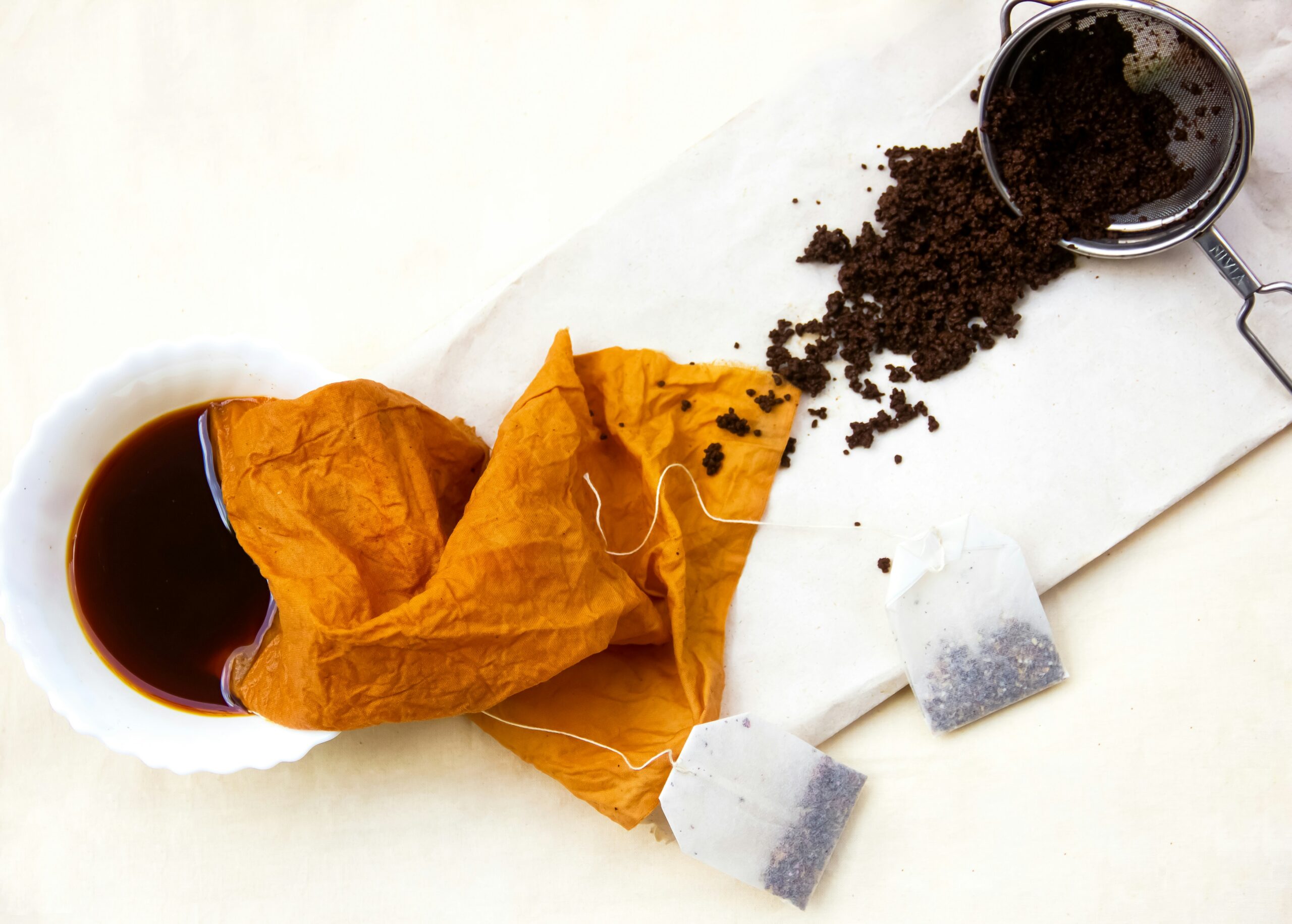
To master how to get coffee stains out of clothes, you must first understand what happens when coffee makes contact with woven threads. Brewed coffee is a rich mixture composed primarily of polyphenols, vegetable tannins, organic acids, and aromatic oils. Tannins are natural dyeing agents that bond readily with organic polymers, which is why coffee is often used as a natural dye for paper and textiles.
When you spill a hot drink onto your clothes, it causes an increase in temperature, which causes all those pores or the outer cuticle of fibers like cotton, linen, and wool to flare up. This makes the liquid easily soak up through the capillaries to the interior core of the yarn. Since fibers like polyester, nylon can’t easily soak water, but their Petroleum-Based chemical structure has extremely strong bonds and affinities to the Milk Fats and Bean Oils present in most Lattes, Capparhacinnoes and cream drinks.
When a stain spills on your clothing, effectively treating the stain is treating every single layer on the stain. Usually if you just rinse it off with cold water, your water-soluble tannins will have washed away, but an undetectable layer of Milk Fat, or vegetable oil was left behind and if this substance eventually oxidizes it will bind itself tightly to the microscopic dust floating on the air (it will cause this stain to become yellow-brown and solid.) What you must attempt to do is treat the stain in such way that at same instant and place it simultaneously dissolves the dark pigment, as well as the greasy lipids underneath.
Immediate Response Strategy for Fresh Liquid Spills
The actions you take in the first five minutes after a spill occur dictate how easy it will be to completely restore the garment. When people scramble to figure out how to get coffee stains out of clothes while sitting at a office desk or standing in a café, their initial reaction is often to grab a paper napkin and scrub the affected area vigorously. Scrubbing pushes the liquid deeper into the inner yarn core and spreads the pigment outward into clean sections of the fabric.
Rather than rubbing: Grab an immediate clean, dry cloth or paper towel and use it to place gently down onto the damp spot. Press down on it to absorb excess liquid. Repeat with fresh pieces of the towel until no more brownish moisture is taken onto the cloth. If you have blotted off as much loose liquid as possible, make a beeline for a sink and turn the cold water faucet on.
From Behind: Wash the stained part of your garment from the back (the side not on the outward face of the item). When you rinse the item inside out under a steadily flowing stream of cold tap water, you force the spilled liquid to exit through the face of the garment rather than penetrate deeper within the fibers. Never use hot water in this step, as it will Cook the Milk proteins that were in the beverage into your garment!
Deconstructing Additives: Black Coffee versus Milky Lattes
Understanding how to get coffee stains out of clothes requires adjusting your approach based on what was mixed into your mug. Black coffee consists almost entirely of water-soluble tannins and mild organic acids, making it relatively straightforward to extract using cool water and mild surfactants.
However, when espresso is combined with steamed whole milk, heavy cream, oat milk, or flavored syrups, the cleaning dynamic changes completely. Dairy products introduce animal fats and proteins, while milk alternatives add plant oils and emulsifiers. Flavored syrups contribute simple sugars that caramelize when exposed to heat.
If you are dealing with a latte or creamed coffee spill, relying on cold water alone will not clear the mark. You must introduce an enzyme-active liquid laundry detergent or a grease-cutting dish soap. The surfactants in dish soap surround the lipid molecules, suspending them in water so they can be rinsed away, while proteolytic enzymes break down the complex milk protein chains before they can bind to the fiber surface.
Household Remediation 1: The Liquid Dish Soap and Water Method
For standard cottons, synthetic blends, and everyday casual wear, a simple mixture of mild liquid dish soap and cool water serves as one of the most reliable first-line treatments. Dish soap is specifically engineered to break down tough oils and surface tension without degrading delicate textiles.
To apply this technique for how to get coffee stains out of clothes, mix one half-teaspoon of clear liquid dish soap into one cup of cool water. Avoid using brightly colored or heavily fragranced soaps, as the dyes in the soap can leave their own marks on light fabrics. Saturate a clean white microfiber cloth with the soapy solution and dab the affected area starting from the outer edges and working toward the center to prevent the ring from expanding.
Allow the soapy mixture to rest on the fabric for ten to fifteen minutes. During this dwell time, the surfactant molecules surround the trapped oil droplets and break up the brown tannin bonds. After the resting period, rinse the section thoroughly with cold running water while rubbing the fabric gently against itself to lift the remaining residue.

Household Remediation 2: Distilled White Vinegar and Water Flush
When dealing with set-in marks or lingering yellow outlines on colorfast fabrics, distilled white vinegar offers a safe, mild acetic acid solution that dissolves stubborn mineral and tannin deposits. Understanding how to get coffee stains out of clothes using white vinegar is particularly helpful for restoring garments that have already been through a wash cycle.
Combine equal parts distilled white vinegar and cold water in a small bowl or spray bottle. Before treating the visible spot, apply a small drop of the solution to an hidden interior seam to confirm that the acid does not alter the fabric dye. Once you confirm color safety, saturate the brown spot with the diluted vinegar mixture and let it sit for fifteen minutes.
The mild acetic acid breaks the chemical bonds between the plant chromogens and the textile fibers without degrading the fabric matrix. For tough spots, mix one tablespoon of white vinegar with one tablespoon of cornstarch or baking soda to form a soft paste. Smooth the paste over the spot, let it dry completely to draw out deep-seated oils, and then brush away the dry powder before rinsing the garment under cold water.
Advanced Remediation 3: Enzymatic and Oxygen-Based Bleach Treatments
When natural remedies are not enough to clear aged or heavy marks from white and light-colored clothing, advanced oxygen-based bleaches and enzymatic laundry formulas offer superior cleaning power. Unlike harsh chlorine bleach, which weakens fibers and strips color indiscriminately, oxygen bleach relies on sodium percarbonate to release hydrogen peroxide when mixed with water.
Removing Coffee Stains With Oxygen Stains Busters The powder comes in a concentrated, powdered form that you will dissolve in warm water inside a clean bowl, ensuring all the powder is dissolved before you put the item in. Just place the whole garment into the water, being sure the stained part is entirely submerged. Let the article steep between two to four hours, or longer for stains that are old and stubborn (even overnight).
This will release oxygen bubbles into the fabric, which breaks up the molecules in the brown pigmentation by altering the double bonds into the clear compound.
After removing it from the water, all you have to do is thoroughly rinse the item before tossing it into your machine and running it with an enzyme-based liquid detergent.
Fabric-Specific Care: Cotton, Denim, Synthetics, Wool, and Silk
Every fabric type reacts differently to moisture, acids, and mechanical friction, so adjusting your strategy based on the care label is critical when learning how to get coffee stains out of clothes without damaging your wardrobe.
Plant-based natural fibers like cotton and linen are durable and can handle mild acids, enzymatic soaps, and moderate rubbing. Heavy denim can tolerate stronger treatments, but because dark indigo dyes can bleed easily, you should avoid aggressive scrubbing or undiluted vinegar applications on dark jeans.
Synthetic materials like polyester, nylon, and acrylic are durable and resist liquid absorption, but they hold onto milk fats tenaciously. Use grease-cutting dish soaps or warm enzymatic pre-soaks on synthetics, and avoid high-heat dryer cycles until you are certain the oil residue is gone.
Protein-based natural fibers such as wool, cashmere, and silk require maximum caution, especially when following proper delicate fabric cleaning methods. Alkaline soaps, harsh acids, and hot water can permanently shrink, felt, or dissolve delicate animal fibers. For wool and silk, use only cold water mixed with a pH-neutral wool wash, dab the spot gently with a soft sponge, and never twist or wring the material. If a stain on a delicate item does not lift easily, take the garment to a professional dry cleaner.
Critical Errors That Lock Coffee Stains Into Fabric
Avoiding common mistakes is just as important as choosing the right cleaning solution when discovering how to get coffee stains out of clothes. Small errors made during the initial cleanup can turn a temporary spill into a permanent mark.
The most damaging mistake is exposing a stained garment to high heat before the brown pigment is completely gone, as heat can set stains in fabric and make them more difficult to remove. Placing a damp, partially treated shirt into a hot clothes dryer or running a hot iron over the area bakes the organic tannins and caramelized sugars into the core of the thread, making them nearly impossible to remove later. Always let treated garments air-dry naturally so you can double-check the area under good lighting before using a machine dryer.
Another frequent error is using bar soap or bath soap directly on a fresh spill. Traditional bar soaps are alkaline and made from saponified animal or vegetable fats. When applied to dark tannin spots, the alkaline soap reacts with the plant pigments, setting the brown color into the fabric rather than lifting it away. Stick to liquid surfactants, dish soaps, or dedicated laundry pre-treatments instead.
Step-by-Step Method for Removing Dried, Set-In Stains
Discovering an old, dried coffee mark on a garment that has already been through the wash requires a patient, multi-stage restoration approach. While dried marks are more challenging to remove than fresh spills, following a structured process can successfully lift even old, oxidized spots.
Begin by laying the dry garment flat on a clean table with a folded white towel placed directly underneath the stained section. Mix one tablespoon of liquid dish soap, one tablespoon of white vinegar, and two cups of cool water in a bowl. Saturate a clean white sponge with the liquid and press it firmly against the dried mark, allowing the solution to soak through the fabric into the towel below.
Let the solution soak the area for thirty minutes, rewetting the spot every ten minutes to keep it moist. Next, use a soft-bristled brush or your fingertips to gently work the liquid into the weave using small, circular motions. Flush the area with cold water, apply an enzymatic laundry pre-treatment spray directly to any remaining shadow, wait fifteen minutes, and then wash the garment in the coolest water safe for the fabric.
Practical Method Comparison for Every Situation
Selecting the right strategy for how to get coffee stains out of clothes depends on where you are, what supplies you have on hand, and how old the mark is.
If at the office or on the road: Aim to physically extract as much liquid as possible: Press the area with a few dry paper towels, run cold tap water from behind the stain on the wet area of fabric and then dot a tiny bit of clear hand soap if available. Pat but never rub the wetness, keeping it saturated until you get home, so that the tannins don’t dry out.
If at home on a fresh spill: Apply cool water to the spill, then a little liquid dish soap and follow with a cool water rinse and a machine wash. – For set-in spills on white: Let the stained garment soak in an overnight treatment of an oxygen-based bleach before washing normally. – For silks and wool: Soak in cool water with a pH-neutral delicate wash and proceed gently with patting.
When to Seek Professional Dry Cleaning Assistance
While home extraction methods work well for most everyday garments, knowing how to get coffee stains out of clothes also means recognizing when to hand the job over to a professional. Attempting aggressive home treatments on delicate or structured garments can lead to water spots, color bleeding, or ruined linings.
For a ‘dry clean only’ labeled garment, do not attempt cleaning with water, vinegar or dish soap as rayon, structured blazer linings, or fine silks may pucker, shrink, or unravel with exposure to moisture. For recent liquid stains like coffee or wine, dab at it very gently with a dry napkin using the least amount of pressure. “If the stain did not set, there’s still a good chance it can be completely removed,” explain the experts in a new piece for Harper’s Bazaar.
“Take it to the dry cleaners immediately as soon as possible, advising the cleaners of what caused the stain (coffee with milk and sugar is more complex than plain black coffee), the time of the stain, and what action (if any) you took following the spill.
The cleaning process involves water-free solvents, and dry cleaners have special equipment and steam methods that extract a variety of oil-based products and can loosen certain organic pigments without the water-based problems like shrinking or puckering that you may risk.”
Preventive Habits and Fabric Protection Strategies
Once you know how to get coffee stains out of clothes and successfully restore your favorite shirt, adopting simple clothing stain prevention tips can help prevent future spills and make cleanup much easier down the road.
The commute can account for the majority of accidents and a travel mug which does not spill because it has a locking lid will reduce your commute accidents. If your job requires you to sip a steaming mug of coffee while seated in front of your computer, place your travel mug a safe distance away from your key-board, mouse and important reports.
For precious closets and work suits which you often use, spray on a protection spray for fabric. The application creates an almost hydrophobic andinvisible shield over the fibers. If, unfortunately, you have spilled something, the hydrophobic layer prevents it from soaking quickly into the yarns making it possible for you to clean the spatter.