Gluteal tendinopathy exercises to avoid are an important part of recovery because the wrong movements can increase pain instead of improving strength.Tenderness on the outside of the hip can turn basic, normal movements into agony. This pain may occur when getting out of a car, climbing stairs or hills, walking short distances, standing on one leg, or lying on your sidein the outer hip. When many develop symptoms, they mistakenly believe they must make the hip stronger and stretch the hip more vigorously. The problem is this commonly worsens the condition, especially if they continue with the painful exercises.
Knowing the right gluteal tendinopathy exercises to avoid is just as important as knowing which exercises can help.Other activities can lead to excessive compression or repetition through the gluteal tendons that inhibits their recovery, making them more irritable. The opposite happens with a proper strengthening program, they increase your tendon’s ability without overworking them. In this guide I will share the movements that most often make your tendinopathy worse, the reason why they make your pain worse, how you can work around them, and how you can go back to your normal lifestyle without inflaming it again.
What Is Gluteal Tendinopathy?
Gluteal Tendinopathy Gluteal tendinopathy is an overuse condition where the tendons of the gluteus medius and gluteus minimus muscles – the muscles responsible for maintaining your balance when standing, walking and running – become painful. In essence it’s an issue of overuse and tendon load, rather than inflammation, where the tendon changes to accommodate repeated stress and its capacity for normal loading decreases. When loading continues to be applied without proper recovery time symptoms are often established and persistent.
Many people know this condition by older terms such as:
- Greater trochanteric pain syndrome (GTPS)
- Gluteal tendon injury
- Hip abductor tendinopathy
- Trochanteric pain syndrome
Although these terms are sometimes used interchangeably, gluteal tendinopathy specifically refers to degeneration or irritation of the greater trochanter of the femur.
Why Choosing the Right Exercises Matters
Tendon loading The main difference to treating a muscle is that a tendon’s treatment often lies somewhere between the two. Doing nothing for a tendon will relieve pain but cause it to get weaker and then get more painful, doing too much too fast will repeatedly insult a healing tendon. Therefore finding the right balance is usually key in order for rehabilitation to be successful. Health practitioners call this “optimal loading”.
When someone performs the wrong exercises repeatedly, several problems may occur:
- Increased tendon compression
- Higher tensile stress on damaged fibers
- Persistent inflammation around surrounding tissues
- Delayed collagen remodeling
- Longer recovery time
- Greater risk of chronic pain
This is why understanding gluteal tendinopathy exercises to avoid is one of the first steps toward successful rehabilitation.
Understanding Tendon Compression
One of the greatest discoveries in the realm of contemporary tendon rehabilitation is tendon compression. The tendons of the gluteus medius and minimus run around the outside of the hip. Whenever the hip comes into a position – most commonly a movement of hip adduction (which is the crossing of your leg toward your other leg) – the tendons are squeezed into the greater trochanter.
These repetitive compressions can place pressure on tendons which are already extremely irritable.
The largest mechanical forces are typically created in movements which incorporate the weight of the body with hip adduction. Now, the information below starts to make sense when this concept is considered. Some of the most commonly used stretches and strengthening exercise programs actually make tendinopathy worse…
Common Symptoms That Suggest Exercise Is Too Aggressive
During recovery, mild discomfort while exercising is sometimes acceptable. However, pain should not continue increasing throughout the workout or remain significantly worse the next day.
Warning signs include:
- Sharp pain along the outside of the hip
- Pain that increases during single-leg activities
- Limping after exercise
- Increased night pain
- Difficulty lying on the affected side
- Pain lasting more than 24 hours after activity
- Gradually worsening symptoms despite regular exercise
If these occur consistently, your rehabilitation program may need adjustment.
Gluteal Tendinopathy Exercises to Avoid
Not all exercises are bad, the following have a tendency to be modified or completely avoided during the painful phases since the movement itself causes increased compression or adds pressure to the injured tendon:
1. Deep Hip Adductor Stretches
Many people instinctively stretch painful muscles.
Unfortunately, stretching the outside hip aggressively often increases tendon compression instead of relieving it.
Examples include:
- Crossing one leg behind the other while leaning sideways
- Deep seated cross-leg stretches
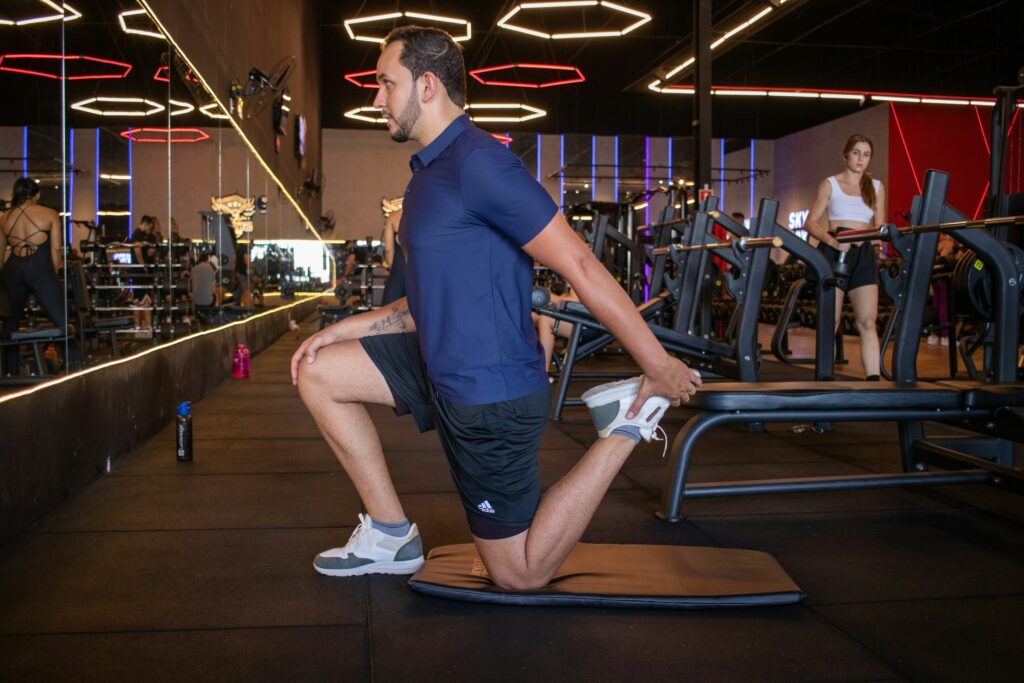
- Figure-four stretches performed aggressively
- Long-held hip adduction stretches
These stretches pull the gluteal tendons tightly against the outer hip bone, which may increase irritation.
Better alternative
Instead of aggressive stretching, gentle mobility exercises within a comfortable range are usually better tolerated until symptoms improve.
2. Crossing Your Legs During Exercise
Crossing one leg over the other may seem harmless, but this position places the hip into adduction.
Repeatedly exercising from this posture increases tendon compression.
Examples include:
- Cross-over lunges
- Curtsy lunges
- Standing cross-leg stretches
- Cross-step balance drills
Curtsy lunges deserve special attention because they combine body weight, hip flexion, rotation, and adduction—all movements capable of increasing tendon load significantly.
Many physical therapists temporarily remove curtsy lunges from rehabilitation programs during painful stages.
3. Side-Lying Hip Raises Performed Too Early
Side-lying leg raises are frequently recommended for hip strengthening.
However, introducing them too early or performing excessive repetitions may overload an already irritated tendon.
Common mistakes include:
- Raising the leg too high
- Rotating the hip outward excessively
- Completing high-volume repetitions despite increasing pain
- Adding ankle weights before adequate healing
The exercise itself is not necessarily harmful, but timing and progression matter.
Early rehabilitation often starts with lower-load isometric exercises before advancing to repeated dynamic movements.
4. Single-Leg Hopping and Jump Training
Explosive movements generate very high forces through the gluteal tendons.
Activities such as:
- Box jumps
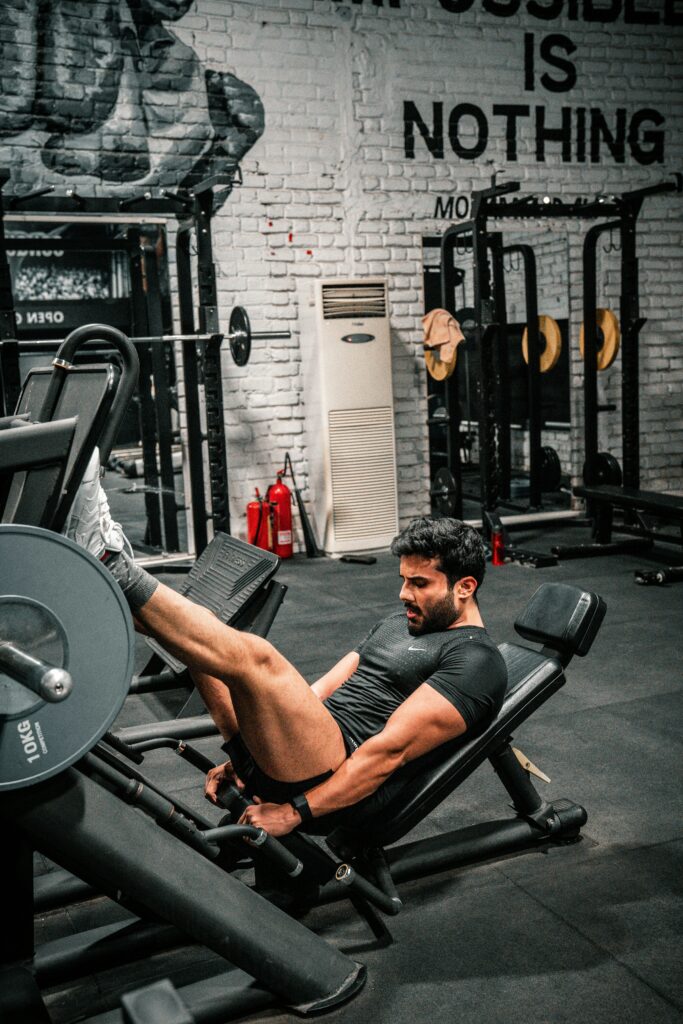
- Jump squats
- Bounding drills
- Single-leg hopping
- Plyometric circuits
can overload healing tissue if introduced before sufficient tendon strength has returned.
Athletes recovering from gluteal tendinopathy usually return to plyometrics only after rebuilding strength, balance, and pain tolerance through progressive rehabilitation.
5. Running on Hills Too Soon
Hill running significantly increases the workload of the hip stabilizers.
Both uphill and downhill running demand greater activation of the gluteus medius.
For someone recovering from gluteal tendinopathy, this added demand may exceed the tendon’s current capacity.
Returning to running is often safer on relatively flat, even surfaces before progressing to inclines or uneven terrain.
6. Deep Squats That Trigger Hip Pain
When discussing gluteal tendinopathy exercises to avoid, deep squats are often included because they can place excessive stress on the affected tendons if performed too early in recovery. While squats are an important exercise for your lower body, the way that you perform them and the degree of your squatting should be adjusted if you are trying to work your way back from gluteal tendinopathy.
The deeper you squat in a squatting movement the more your hips have to flex and this could contribute to increased load on your gluteal tendons. If you experience any pain in the outside hip when squatting deep, this is another indication that your tendon isn’t quite ready for the load this movement can generate.
Understanding gluteal tendinopathy exercises to avoid also means recognizing when pain is a warning sign rather than a sign of progress. Other people feel that pain means their muscles are doing more so they want to push it out – but this can slow down tendon repair. Working into a painful range on a strained tendon rather than easing it in is going to delay things.
Better alternative
You might start with a few chair squats or shallow squats within the pain-free range of motion. You may gradually be able to increase depth and perform deep squatting with help from a physical therapist as your pain decreases and you regain strength.
7. Heavy Lateral Step-Ups Too Early
Step-ups strengthen the gluteal muscles and improve functional movement, but adding heavy weights too early can overload healing tendons.
Common mistakes include:
- Using a high step before adequate strength develops
- Holding heavy dumbbells
- Performing fast repetitions with poor control
- Ignoring pain that worsens during or after exercise
The tendon needs time to adapt to increasing loads.Moving too quickly can often lead to setbacks.
Better alternative
Start with a low platform using only body weight. Focus on slow, controlled movement while maintaining good pelvic alignment. Increase height and resistance only when the exercise remains comfortable during and after the session.
8. Painful Resistance Band Exercises
Resistance bands are excellent rehabilitation tools, but not every band exercise is appropriate during every stage of recovery.
Problems usually occur when people:
- Choose a band that is too strong
- Perform excessive repetitions
- Continue despite increasing pain
- Add resistance before mastering proper technique
Monster walks, lateral band walks, and standing hip abductions can all be effective exercises, but they should not produce significant pain.
Better alternative
Begin with lighter resistance and fewer repetitions. Gradually increase the workload as the tendon becomes more tolerant of exercise.
9. Prolonged Single-Leg Loading
Standing on one leg is part of everyday life, but prolonged single-leg activities place continuous demand on the hip abductors.
Exercises that may aggravate symptoms include:
- Long single-leg balance holds
- Extended standing yoga poses
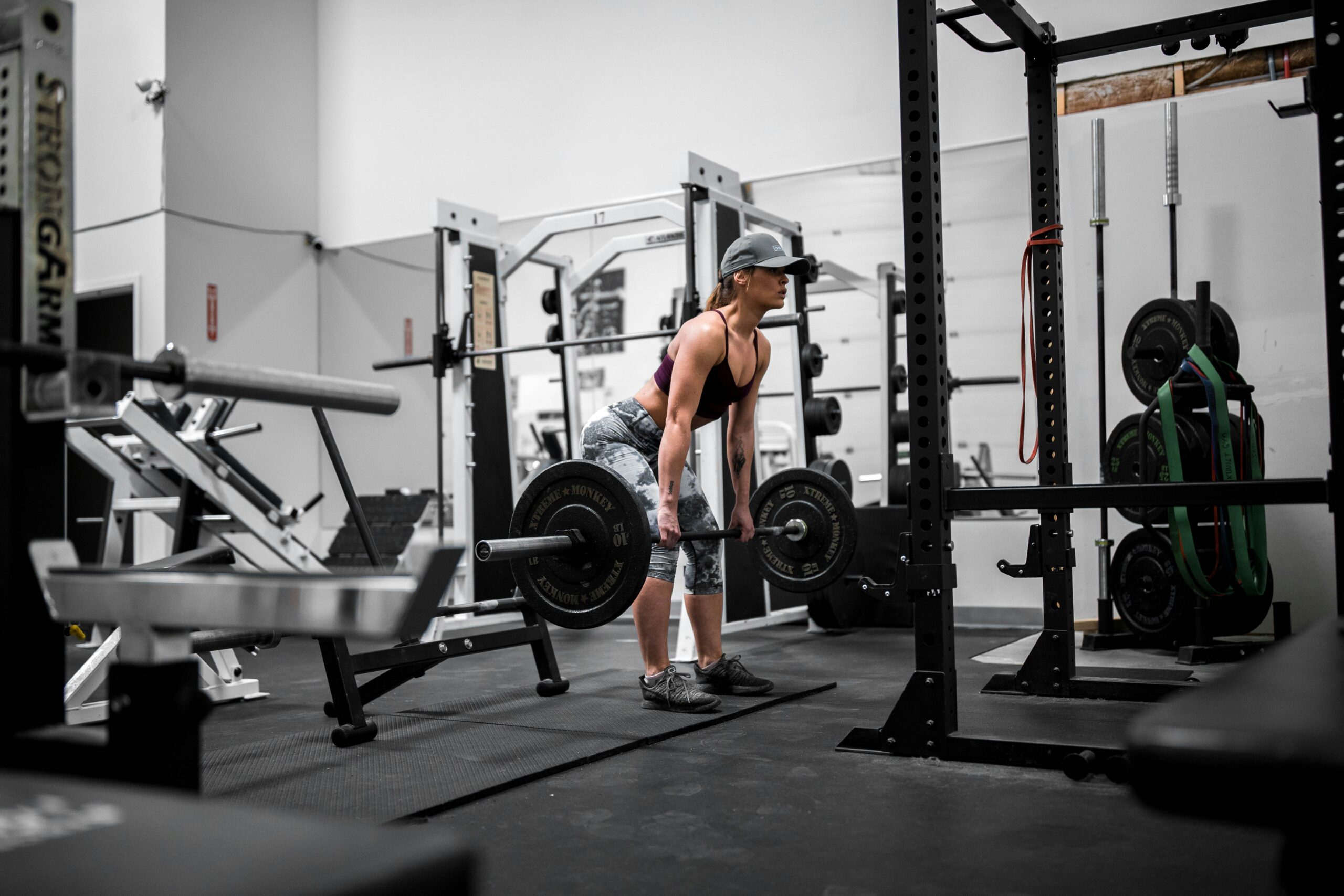
- Repeated single-leg deadlifts during painful flare-ups
- Balance exercises performed for several minutes without rest
These activities force the gluteal tendons to stabilize the pelvis continuously, which can increase pain if the tendon is already irritated.
Better alternative
Practice shorter balance exercises with adequate rest between repetitions. Increase duration gradually as strength and pain tolerance improve.
Exercises That Are Often Safe During Recovery
Avoiding painful exercises does not mean avoiding movement altogether. In fact, appropriately loaded exercise is one of the most effective treatments for gluteal tendinopathy.
Depending on your symptoms and stage of recovery, a healthcare professional may recommend:
- Isometric hip abduction exercises
- Gentle bridges
- Controlled sit-to-stand movements
- Short-distance walking on level ground
- Low-resistance stationary cycling if comfortable
- Progressive hip strengthening exercises
- Core stability training
- Functional balance exercises
These exercises should be introduced gradually while closely monitoring pain both during the exercise and for the next 24 hours.
How to Know if an Exercise Is Appropriate
Pain alone does not always mean an exercise is harmful, but the way symptoms respond afterward provides valuable information.
A useful guideline is to ask yourself these questions:
| Question | What It Means |
| Does the pain stay mild during exercise? | Usually acceptable. |
| Does pain settle shortly after finishing? | Often indicates an appropriate load. |
| Is the pain much worse the next morning? | The exercise may have been too demanding. |
| Are symptoms gradually improving week by week? | Your rehabilitation is likely progressing appropriately. |
If an exercise consistently increases pain for more than 24 hours, reducing the intensity or modifying the movement is generally recommended.
Everyday Activities That May Also Irritate the Tendon
Exercise is only one part of tendon loading. Daily habits can repeatedly compress the gluteal tendons as well.
Activities that often contribute to persistent symptoms include:
- Sitting with crossed legs
- Standing with most body weight on one hip
- Sleeping on the painful side
- Carrying heavy bags on one side
- Walking long distances during painful flare-ups
- Climbing multiple flights of stairs repeatedly
- Sudden increases in running or hiking mileage
Improving these daily habits can reduce unnecessary stress on the tendon and complement your exercise program.
Best Practices for Recovering From Gluteal Tendinopathy
Consistency rather than intensity is often more effective for successful recovery. “I always tell my patients to not chase the pain and look for incremental improvements rather than going all out trying to make it disappear instantly,” said one physiotherapist.
Helpful strategies include:
Progress Exercise Gradually
Increase resistance, repetitions, or duration one variable at a time. Large jumps in training volume often trigger flare-ups.
Respect Pain Signals
Mild discomfort may be acceptable, but sharp pain or worsening symptoms the next day usually indicate excessive loading.
Strengthen the Entire Lower Body
Recovery should not focus only on the gluteal muscles. Strengthening the core, hips, thighs, and lower legs improves overall movement patterns and reduces unnecessary stress on the injured tendon.
Stay Active Without Overloading
Stay Active Without Overloading through a balanced injury recovery guide that helps you rebuild strength safely.
Completely avoiding activity can reduce tendon capacity over time. Instead, maintain comfortable levels of movement while respecting your current limits.
Common Mistakes That Slow Recovery
There are a number of common misconceptions that are still hindering healing in gluteal tendinopathy patients. Misconception 1: Complete rest is beneficial The biggest misconception in treatment is that rest is good. Although, it’s crucial to minimize movements that cause pain, complete rest could cause a muscle to become weaker along with the tendons as well, leading to a difficult rehabilitation phase.
Among the most important gluteal tendinopathy exercises to avoid are aggressive stretches that place the hip into excessive adduction. Don’t overstretch your hip. Most of us go into stretching exercises hoping to loosen up the hip. But over stretching the adductors (the muscles that bring the legs together) will actually squish the tendon and may even cause more pain. Your therapist will give you movements that will actually help the tendon to heal without overloading it.
Running, playing sports, and heavy workouts. When pain is reduced most of the patients can run and play their sport or hit the heavy gym sessions straight away. Usually tendons are healing a lot slower then pain reduces, therefore it is easy to get the pain again.
Daily activity habits. If you cross your legs when you sit, carry most of your body weight on one leg when you stand or even sleeping on the hip can continue to agitate the tendon when you have a good exercise program.
Constantly changing exercises. Most people change their exercises every few days and think the problem should heal faster this way. Tendons really do need weeks and months of consistent and progressively loaded exercises.
Expert Tips for Long-Term Success
Always, in cases of tendinopathy treatment, physical therapists reiterate that rehabilitation should always be personalized and not based on a universal exercise script. You can start to track your activity diary to notice what specific movements cause symptoms and then write down what level of pain your activity and you experiences the morning after; so you notice where it begins, and so you can plan the training well.
If the condition doesn’t improve with a couple of weeks of appropriate rehab, it’s good to seek a second opinion with your specialist as lateral hip pain may sometimes be referred pain or may sometimes be due to other diseases such as hip arthritis, lumbar problems or bursitis. The healing is generally a long and slow process, made up of tiny steps, and the slow approach by increasing the strenght and by protecting the tendon from additionalprotecting the area from unnecessary irritation and avoiding excessive stress often leads to better healing than rushing recovery.
Recovery Timeline: How Long Does Gluteal Tendinopathy Take to Heal?
Recovery time depends on factors such as the duration of symptoms, the severity of the tendon injury, and how consistent someone is with treatment and rehabilitationwith the rehabilitation program. Mild symptoms can often be expected to improve in 6 to 12 weeks with appropriate loading and strengthening programs. Moderate or longstanding tendinopathy may require 3 to 6 months to fully resolve, whereas chronic tendinopathy may take even longer to recover function. Remember, a pain-free tendon does not necessarily equate to a healed tendon, tendons learn slowly and a strengthening program should continue past the reduction of pain to prevent the problem from returning.
When Should You See a Healthcare Professional?
Although many people recover with conservative treatment, medical evaluation is recommended if:
- Hip pain persists for several weeks despite modifying activity.
- Pain becomes severe enough to interfere with walking or sleeping.
- You experience sudden weakness or are unable to bear weight.
- Symptoms continue to worsen instead of improving.
- You are unsure whether the pain is coming from the hip, lower back, or another condition.
A physician or physical therapist can confirm the diagnosis, rule out other causes of lateral hip pain, and create an individualized rehabilitation program.
Conclusion
Recovering from gluteal tendinopathy is not simply about exercising more—it is about exercising wisely. Understanding gluteal tendinopathy exercises to avoid helps protect irritated tendons from unnecessary compression and overload while allowing them to rebuild strength gradually.
Exercises like high kicks, curtsy lunges, painful squats, weighted step-ups, early plyometrics, and static loading on one leg can impede recovery if performed too early. However, complete rest is often not optimal. The optimal treatment involves progressive strength building, progressive load on the tissues and gradual attention to your everyday habits.
With diligence, commitment and gradual, logical progressions; nearly everyone can get relief from their pain, restore hip function and return to full, normal daily activity without recurrence.
Frequently Asked Questions
1. Can exercise make gluteal tendinopathy worse?
Yes. Activities that add excessive pressure to the gluteal tendons or cause the tendon to handle abrupt, heavy loading could result in additional pain or delayed healing. We want you to be challenged on the tendon, but we also do not want you to cause a major symptom exacerbation.
2. Should I stop exercising completely if I have gluteal tendinopathy?
Not generally. While not doing anything can initially give relief, this actually can decondition the tendon. Most rehab is centered on activity modification, increasing tendon loading activities, rather than inactivity.
3. Is walking good for gluteal tendinopathy?
For many people, gentle walking on flat ground is beneficial if it does not significantly increase pain. However, long walks, steep hills, or uneven terrain may aggravate symptoms during the early stages of recovery.
4. Why do curtsy lunges often aggravate gluteal tendinopathy?
Curtsy lunges place the hip in adduction while bearing body weight, increasing compression of the gluteal tendons against the greater trochanter. This position commonly irritates already sensitive tendons.
5. Can I return to running after gluteal tendinopathy?
Yes, but only after your strength, balance, and pain levels have improved. Most rehabilitation programs recommend returning gradually, beginning with flat surfaces before progressing to hills or speed work.
6. Is stretching helpful for gluteal tendinopathy?
Stretches Stretching may sometimes be beneficial. However aggressive stretches in which the leg is forced across the body may cause compression on the tendon which leads to worsening of the symptoms. The pain should not increase much during stretching exercises.
7. What is the best sleeping position for gluteal tendinopathy?
Sleeping on your “good side” with a pillow in between the knees feels better to most individuals. When lying on your back, try to place a pillow under the knees in order to help alleviate stress across the hip.